 கோசாலை / நன்கொடை

Gemstones by Goal: Career, Marriage, Health and Study in Vedic Tradition, with Safer Alternatives
வெளியிடப்பட்டது · புதுப்பிக்கப்பட்டது
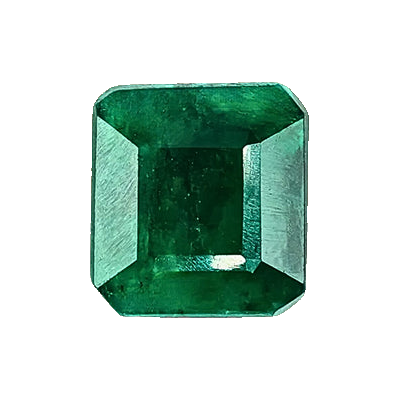
Gemstones by goal: Vedic tradition links each life area to a graha and to that graha's stone, such as manik and neelam for career, pukhraj and heera for marriage, panna for study. The stone is chosen from the birth chart, not the goal, and every primary stone has a gentler upratna or a Rudraksha alternative.
The Divine Hindu App is here.
Chat with astrologers, generate your Kundli, book temple Puja and Chadhava, and check today's Panchang — all in one app.
How goal-based gemstone advice works in tradition
Vedic astrology does not have a stone for a goal. It has a graha for each area of life, a karaka or significator, and a stone for each graha. When someone asks for "a stone for career", the astrologer translates the question: which graha governs career in this chart, is that graha favourable, and is it weak enough to need strengthening?
Only then does a stone enter the discussion, and only if the graha is a friend of the lagna. A goal-based table is a map of that conversation, not a prescription; the same goal leads to different stones in different charts, and often to no stone at all. The graha-by-graha background is in the guide to gemstones in Vedic astrology.
The five strongest primary stones, neelam, gomed, lehsunia, manik and moonga, are worn only after your chart is read by an astrologer; the wrong stone is traditionally considered counter-productive. The safe path for any primary stone is a gemstone recommendation report read from your birth details. Gemstones in this tradition are worn as a matter of faith and are described as "traditionally associated with" a graha; nothing on this page is a promise of an outcome.
Gemstones by goal: the table
| Goal | Stones traditionally associated | Graha (significator) | Safer alternative: upratna or Rudraksha | Consult line |
|---|---|---|---|---|
| Career and authority | Manik (ruby), neelam (blue sapphire) | Surya (10th-house significator), Shani (karma, service) | Garnet or red spinel; iolite; 1 Mukhi, 12 Mukhi or 7 Mukhi Rudraksha | Primary stones only after a chart reading |
| Business and trade | Panna (emerald), pukhraj (yellow sapphire) | Budh (commerce, speech), Guru (counsel, growth) | Peridot or green onyx; sunela; 4 Mukhi and 5 Mukhi Rudraksha; Business Kavach | Panna and pukhraj are gentler stones, still chosen from the chart |
| Marriage and relationships | Pukhraj, heera (diamond), moonga for Mangal dosha | Guru (husband significator in a woman's chart), Shukra (spouse, love), Mangal | Sunela; zircon, white sapphire or opal; white coral; 2 Mukhi and 6 Mukhi Rudraksha | Moonga only after a chart reading |
| Health and vitality (as a matter of faith) | Manik, moonga, moti | Surya (vitality), Mangal (energy), Chandra (mind, fluids) | Garnet; white coral; moonstone; 3 Mukhi Rudraksha; Dhanwantari Kavach | Manik and moonga only after a chart reading; not a medical treatment |
| Study and memory | Panna, moti, pukhraj | Budh (intellect), Chandra (memory), Guru (wisdom) | Peridot; moonstone; sunela; 4 Mukhi Rudraksha; Saraswati Kavach | Gentler stones; weight set for children by the astrologer |
| Peace of mind | Moti, pukhraj | Chandra, Guru | Moonstone; sunela; 2 Mukhi and 5 Mukhi Rudraksha | Chandra's stone is avoided in some charts; check first |
| Protection from Rahu–Ketu periods | Gomed (hessonite), lehsunia (cat's eye) | Rahu, Ketu | Orange zircon; tiger's eye; 8 Mukhi and 9 Mukhi Rudraksha; Rahu–Ketu puja | Both stones only after a chart reading |
Rudraksha appears in the alternatives column because the beads carry no incompatibility rules; the mukhi-to-graha mapping is in Rudraksha ruling planet and deity chart. The substitute stones are expanded in the upratna complete guide.
Career and authority
The 10th house and its lord govern career, with Surya as the natural significator of authority and recognition and Shani as the significator of work, service and persistence. Manik, Surya's stone, is discussed where Surya is favourable and placed weakly; neelam where Shani is the lagna's friend.
Both are consult-first stones, and 2027 adds a layer: Shani is in Mesha, its debilitation sign, from 3 Jun to 20 Oct and retrograde from 9 Aug, and astrologers are cautious about first wearing a Shani stone in that window; see the Neelam and Shani Gochar 2027 guide.
The gentler route in tradition is garnet for Surya or iolite for Shani, or the Rudraksha of the graha: 1 Mukhi and 12 Mukhi for Surya, 7 Mukhi for Shani, as combined in Rudraksha combination for career. A chart-specific reading of career timing comes from the career report.
Business and trade
Budh governs commerce, calculation and speech; Guru governs counsel, expansion and ethical growth. Panna and pukhraj are their stones, and both are read as gentler than the Surya, Shani and node stones, which is why they are the stones most often advised for business questions.
They are still chosen from the chart, and 2027 timing matters: Guru is exalted in Karka from 25 Jan to 25 Jun, which is when Guru questions peak (see the Pukhraj and Guru Gochar 2027 guide), and Budh is retrograde three times (9 Feb – 3 Mar, 10 Jun – 5 Jul, 7 – 28 Oct), windows in which astrologers usually defer a first wearing of panna. The non-gem path is the Business Kavach and the 4 Mukhi and 5 Mukhi combination in Rudraksha combination for business.
Marriage and relationships
Three grahas are examined: Shukra as the significator of the spouse and of love, Guru as the significator of the husband in a woman's chart, and Mangal where the chart shows Mangal dosha. Heera (or its common substitutes zircon, white sapphire and opal) is Shukra's stone; pukhraj is Guru's; moonga is Mangal's and is consult-first because it is one of the hot stones.
An astrologer prescribes one of these only when the relevant graha is favourable but weak, and it is worn alongside, not instead of, the traditional practices of Thursday or Friday vrat and the graha's mantra. For timing and compatibility the love and marriage report and kundli matching are the appropriate tools; the Rudraksha path is the 2 Mukhi and 6 Mukhi combination in Rudraksha combination for marriage.
Health and vitality, as a matter of faith
Vedic tradition associates Surya with vitality, Mangal with energy and blood, and Chandra with the mind and the body's fluids, and devotees wear the stones of these grahas, manik, moonga and moti, as a matter of faith when an astrologer finds the graha weak.
None of this is medical advice and no gemstone is a treatment for any condition; a health concern goes to a doctor, and a gemstone, if worn at all, sits alongside that care. Manik and moonga are consult-first stones; moti is gentler but is avoided in some charts. The traditional non-gem path is the 3 Mukhi Rudraksha for Mangal, the Dhanwantari Kavach and the combination in Rudraksha combination for health.
Study, memory and concentration
Budh governs intellect and analysis, Chandra memory and receptivity, Guru wisdom and the teacher. Panna, moti and pukhraj are the stones of these grahas and all three are read as gentle, which is why they are the stones most considered for students; even so, a child's weight is set smaller by the astrologer, and a substitute is often preferred.
The non-gem path in tradition is the 4 Mukhi Rudraksha for Budh and the Saraswati Kavach, with the combination for students in Rudraksha combination for students. Mercury's three 2027 retrograde windows are the periods in which astrologers usually defer a first wearing of panna.
The safer path: upratna, Rudraksha and rashi bracelets
For each primary stone the tradition offers two gentler routes. The upratna (garnet for manik, iolite for neelam, white coral for moonga, orange zircon for gomed, tiger's eye for lehsunia) follows the same lagna rule, so the chart must still approve the graha, but it is read as milder and is the usual first step.
The Rudraksha of the graha carries no incompatibility rule and is worn without a chart reading, which is why it appears against every goal. Rashi bracelets, in the rashi stones collection, follow the lord-of-the-sign logic without a chart reading. The avoid list, which applies to every goal equally, is in gemstone side effects: who should not wear which stone, and the year's transit picture for each rashi in gemstones for 2027 by rashi.
Frequently Asked Questions
Which gemstone is for career?
Tradition links career to the 10th house, with Surya (manik) for authority and Shani (neelam) for work and persistence. Both are worn only after an astrologer reads the chart; garnet, iolite or the 1, 12 and 7 Mukhi Rudraksha are the gentler alternatives.
Which gemstone is for marriage?
Shukra's stone heera (or zircon, white sapphire, opal), Guru's stone pukhraj, and moonga where Mangal dosha is present are the stones astrologers consider. The stone is chosen from the chart; no gemstone is a general marriage stone.
Which gemstone is for health?
Tradition associates manik with Surya and vitality, moonga with Mangal and energy, and moti with Chandra and the mind, worn as a matter of faith. No gemstone is a medical treatment; manik and moonga are worn only after a chart reading.
Which gemstone is for study and memory?
Panna for Budh, moti for Chandra and pukhraj for Guru are the stones considered for students, with peridot, moonstone or sunela as gentler substitutes and the 4 Mukhi Rudraksha as the non-gem path.
Can I choose a gemstone by goal without a chart?
No. The same goal leads to different grahas in different charts, and a stone is worn only for a graha that favours the lagna. Rudraksha and rashi bracelets are the options that do not need a chart reading.
Which gemstones should not be combined?
Neelam, gomed and lehsunia are kept away from manik, moti and moonga; panna is kept away from moonga. Wearing stones for two goals at once is only done on an astrologer's advice.
What is the Rudraksha alternative for each graha?
Tradition links 1 and 12 Mukhi to Surya, 2 Mukhi to Chandra, 3 Mukhi to Mangal, 4 Mukhi to Budh, 5 Mukhi to Guru, 6 Mukhi to Shukra, 7 Mukhi to Shani, 8 Mukhi to Rahu and 9 Mukhi to Ketu. Rudraksha carries no incompatibility rules.
Match the Goal to Your Chart, Then Choose
The gemstone recommendation report identifies which graha governs your goal in your chart and whether a primary stone, an upratna or a Rudraksha is the right path. Natural stones with a lab report, including Manik, Pukhraj and Panna, are in the gemstone collection; goal-wise bead combinations are in the Rudraksha Kavach collection.
This article describes traditional Vedic astrology and is intended for guidance and self-reflection only; it does not guarantee any outcome. Spiritual products are worn as a matter of faith and tradition and are not a medical treatment.


