 Cow Shelter/Donation

How to Cleanse & Care for Your DIY Crystal Bracelet
July 17, 2026
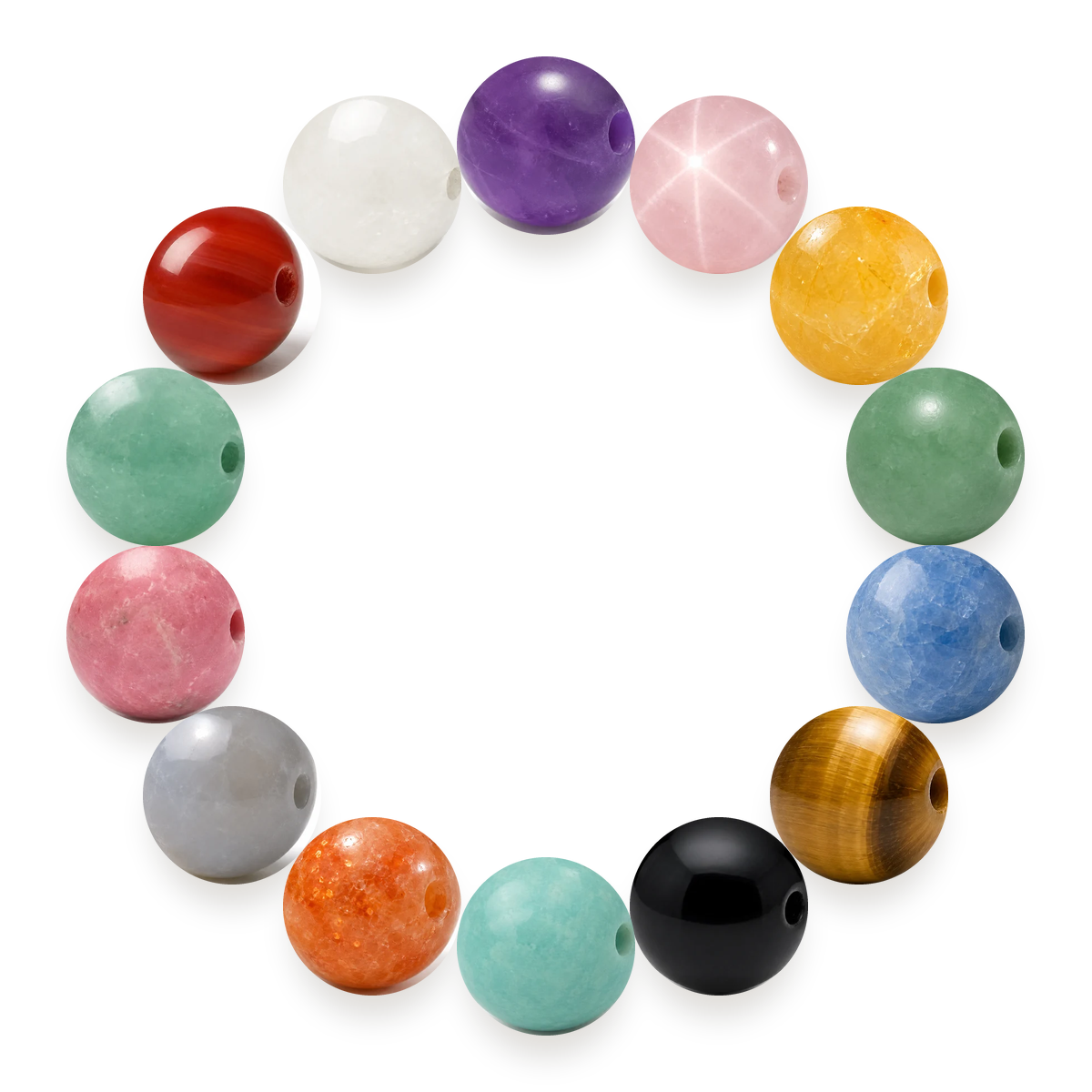
A DIY crystal bracelet is a different object from a loose crystal, and it needs different care. It is a strung piece — elastic cord, drilled beads, a knot hidden inside one of them — and in practice the cord fails long before any stone does. This guide is about caring for the bracelet as a made thing: which cleansing methods are safe for cord as well as beads, how to make elastic last, when to restring, and how to wear it so it survives daily life.
The Divine Hindu App is here.
Chat free with top astrologers for your first 5 minutes every week, generate your Kundli, book temple Puja & Chadhava, and check today's Panchang — all in one app.
Why a Bracelet Needs Its Own Approach
In crystal practice, cleansing is believed to clear away any stagnant or unwanted energy a stone may have picked up, while charging restores its natural vibrancy. Many people like to cleanse a new bracelet when it first arrives, and then again whenever it feels like it needs a refresh. The complication is that a bracelet has a component a loose stone does not: the cord. Elastic is degraded by water, oils, heat and stretching, and it sits inside beads where you cannot inspect it. Which stone can tolerate which method is covered in our guide on how to cleanse and charge crystals — this page assumes you have already checked that and focuses on keeping the piece itself intact.
Cord-Safe Cleansing Methods
Because a DIY bracelet is strung on elastic and may mix several stone types on one strand, the practical answer is to use methods that touch neither the cord nor the beads.

- Smoke cleansing — pass your bracelet gently through the smoke of incense, sage or palo santo. Safe for all stones and all cords. Keep it moving rather than holding it still, since sustained heat is hard on elastic.
- Moonlight — leave your bracelet on a windowsill overnight, ideally under a full moon. Dry, gentle and suitable for every crystal. Bring it in before the morning sun reaches it.
- Sound — use a singing bowl, bell or chime and let the vibrations wash over the bracelet. Completely contact-free, and the safest option for a mixed-stone strand.
- Selenite or clear quartz — rest your bracelet on a selenite plate or beside a clear quartz cluster, both traditionally believed to cleanse other stones. Lay it flat and unstretched while it sits.
- Earth — place the bracelet on a natural surface such as a wooden bowl for a few hours to feel grounded again. Use a dry surface rather than damp soil, which will wick moisture into the cord.
The one method to rule out entirely on a strung piece is water. Even where every stone on the strand is water-safe, water gets into the drill holes and stays there, weakening elastic from the inside where you cannot see it.
What Actually Kills Elastic Cord
Knowing the failure modes makes the care rules obvious rather than arbitrary.
- Over-stretching. Rolling a bracelet on and off over the knuckles is the single biggest cause of breakage. Ease it over the narrowest part of the hand with the thumb tucked in, or size it so you do not have to force it.
- Oils and lotions. Hand cream, perfume, sanitiser and body oil all soften and perish elastic. Apply them first, let them absorb, then put the bracelet on.
- Heat. Hot water, a car dashboard, a sunny windowsill in summer. Heat is what turns supple elastic brittle.
- Standing tension. Storing a bracelet hooked over something keeps the cord stretched for months at a time. Flat storage costs nothing and doubles its life.
- Sharp bead holes. Some stones have unpolished drill holes that saw at the cord with every movement. If one bracelet keeps breaking at the same point, this is usually why.
When to Restring
Elastic gives warning before it fails, and the warning is visible if you look. Hold the bracelet up loosely and check for gaps opening between beads when it is not under tension, a section of cord that looks thinner or paler than the rest, or beads that have started to rotate freely and rattle. Any of the three means the cord has lost its recovery. Restring at that point rather than waiting — a bracelet that breaks while you are wearing it scatters beads, and small stones are rarely all recovered. If you strung the piece yourself, keeping a short length of spare cord with the leftover beads makes this a ten-minute job.
Wearing It Day to Day
- Remove it before showering, swimming or washing up — or push it well up the forearm if you are only rinsing your hands.
- Take it off for the gym, and for any work involving weight, grip or impact.
- If you wear a watch, keep the bracelet on the other wrist; a metal case will abrade softer beads over time.
- Rotate it occasionally so the same beads are not always resting on the desk edge.
- Wipe gently with a soft, dry cloth after wear — this is the whole of routine cleaning for most stones.
Storing It Properly
Store the bracelet flat in a soft pouch or a shallow box, not hooked over a stand and not coiled tightly. Keep it out of direct sunlight, which fades colour-sensitive stones such as amethyst, rose quartz, citrine and fluorite, and away from anywhere that gets warm. If you own several, store them separately rather than loose together, since harder beads scratch softer ones in a drawer.
Charging Your Bracelet
Once cleansed, many people like to charge their bracelet to restore its energy. Moonlight is the most popular and gentle option, but you can also rest the bracelet on a clear quartz or selenite plate, or simply hold it in your hands and set a clear intention. Crystal enthusiasts believe that stating your purpose while charging helps re-align the bracelet with what you want it to support. Whichever you choose, lay the bracelet flat while it charges rather than leaving it stretched.
Frequently Asked Questions
How often should I cleanse my crystal bracelet?
There is no fixed rule, but many crystal enthusiasts cleanse their bracelet once or twice a month, and always after a stressful or draining period. Trust your intuition: if the bracelet feels heavy or dull, it is a good time to cleanse.
Can I cleanse my crystal bracelet with water?
We recommend avoiding water on any strung piece, even when every stone on the strand is water-safe. Water gets into the drill holes and stays there, weakening elastic cord from the inside where you cannot inspect it. Smoke, sound, moonlight or resting the bracelet on selenite are safer and suitable for every bead.
Why does my crystal bracelet keep breaking?
Usually one of three things: rolling it on and off over the knuckles, which over-stretches the cord; contact with hand cream, perfume or sanitiser, which perishes elastic; or an unpolished drill hole in one bead sawing at the cord. A bracelet that always breaks at the same point points to the third.
When should I restring my bracelet?
Restring when you see gaps opening between beads while the bracelet is not under tension, a section of cord looking thinner or paler than the rest, or beads rotating freely and rattling. All three mean the elastic has lost its recovery, and it is far better to restring than to have it break while worn.
What is the easiest way to charge a crystal bracelet?
Leaving it out under the moonlight overnight is the simplest and most popular method. It is gentle, safe for all crystals, and requires nothing more than a windowsill. Lay it flat while it charges rather than hanging it.
Care for a Bracelet You Made Yourself
A well-cared-for crystal bracelet can stay with you for years. If you have not created yours yet, explore our DIY Custom Crystal Bracelet Builder to hand-pick your beads and design a personal piece you will love to cleanse, charge and wear every day.


