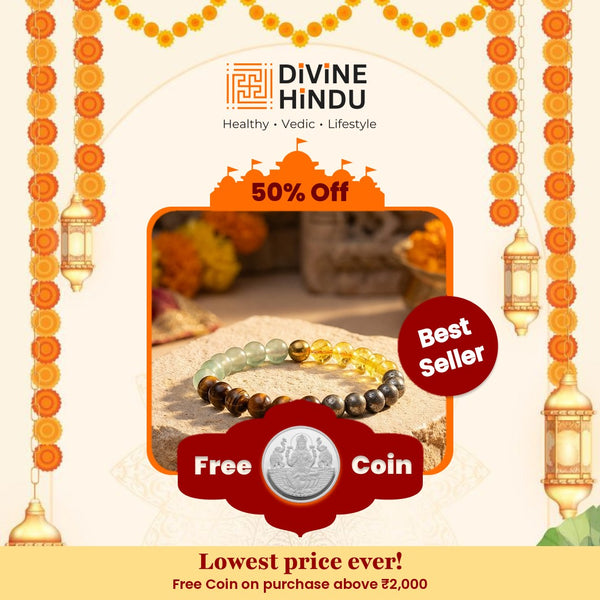
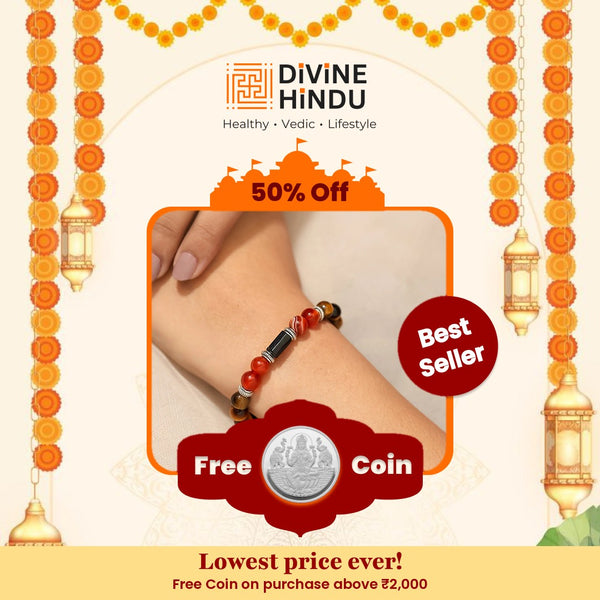
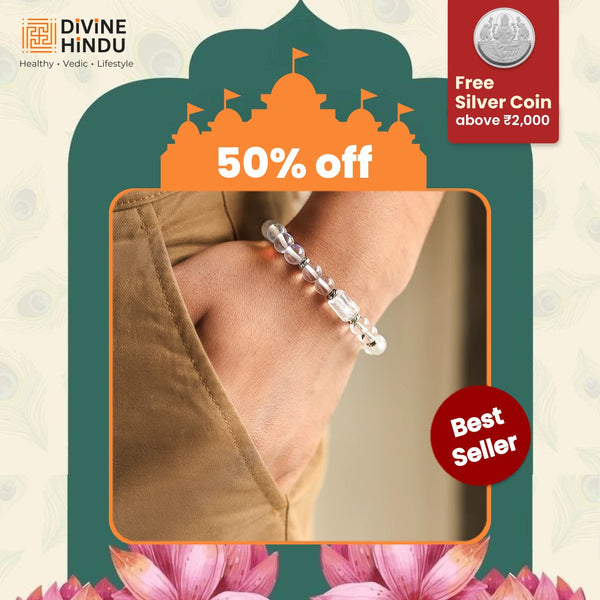
Natural stones and crystals, in plain terms
Everything on this page began as a mineral that grew inside rock. Quartz forms where silica-rich water cools slowly in a cavity and crystals grow inward from the walls. Agate is the same silica arriving in bands, layer over layer, which is why a sliced agate reads like a contour map. Pyrite crystallises into near-perfect cubes because of the way its iron and sulphur atoms stack. Amethyst is quartz that picked up traces of iron and then sat near natural radiation underground for a very long time. None of that is decorative language. It is the reason two bracelets cut from the same variety will never look identical.
That variation is the single most useful thing a buyer can understand. Natural stone carries the record of how it grew: faint clouding, a hairline fracture that never opened, a paler band where the mineral supply thinned, a fleck of some other mineral caught inside. A strand where every bead is the same saturated shade, with nothing at all visible inside it, has usually been helped along. We go into that below, because it is the question we are asked most often.
This page is the main index for the range. From here you can move to all gemstones, gemstone jewellery, stone pendants, crystal trees or the pyrite range. Every stone is lab-certified and energised before dispatch.
How to choose a stone
Start with what you are actually working on
Most people arrive with a colour in mind and leave with a stone chosen for a reason, which is the better order. In Indian practice stones have long been grouped by the quality they are traditionally associated with rather than by how they photograph. If you already know the theme, the intent collections are the quickest route: wealth, peace, protection and balance each gather stones long chosen for that purpose. If you are following a rashi, start instead at rashi bracelets.
Then pick a format you will realistically keep on
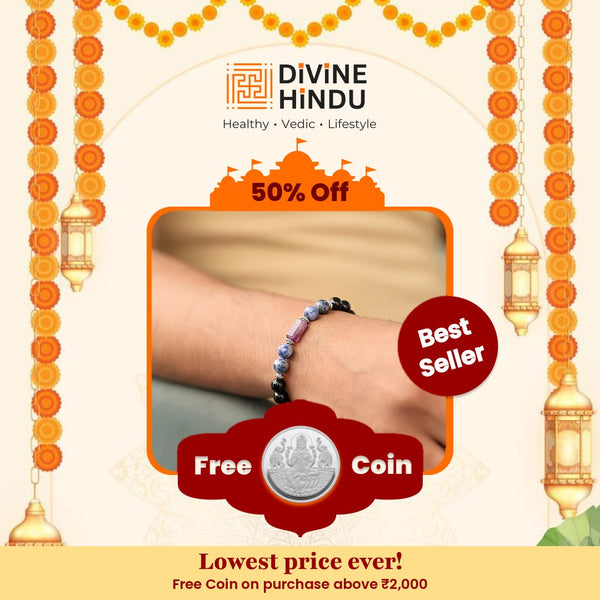
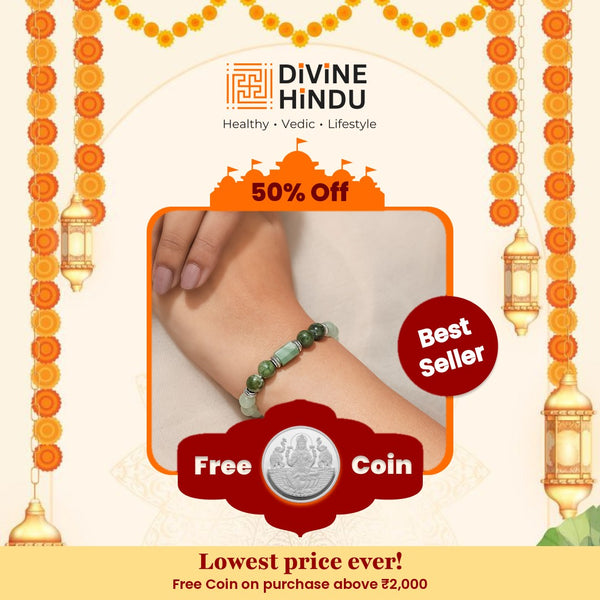
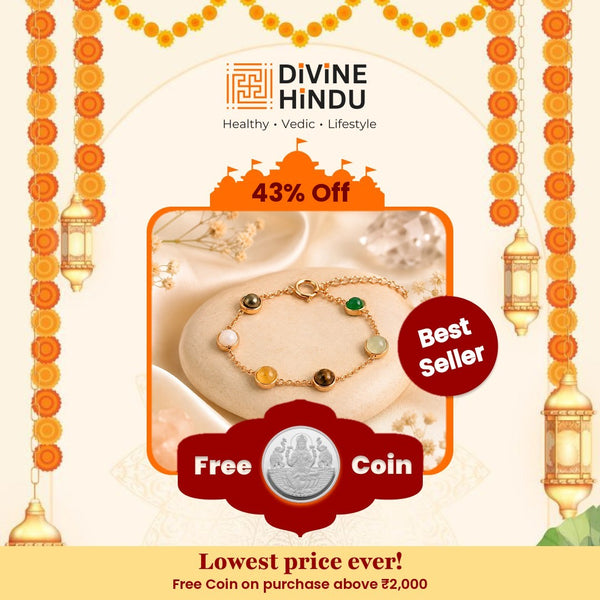
- Bracelet. The easiest daily-wear option and the one most people begin with. It stays in contact with the skin without needing any thought.
- Pendant. Suits anyone whose work makes a wrist piece impractical, and lets a single larger stone do the job of a whole strand.
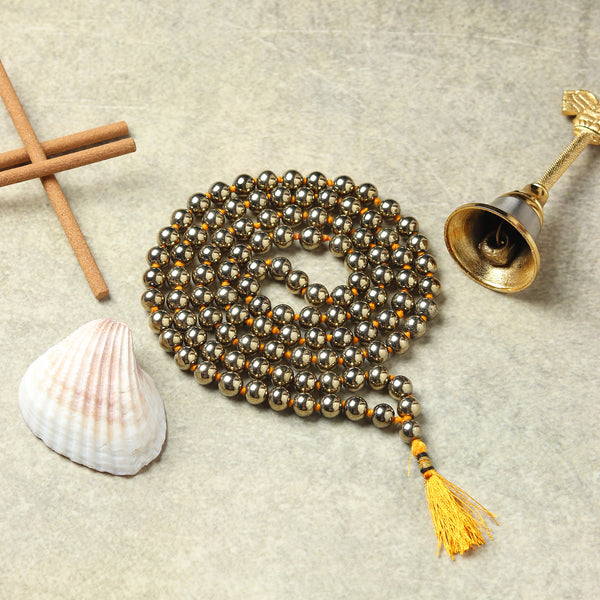
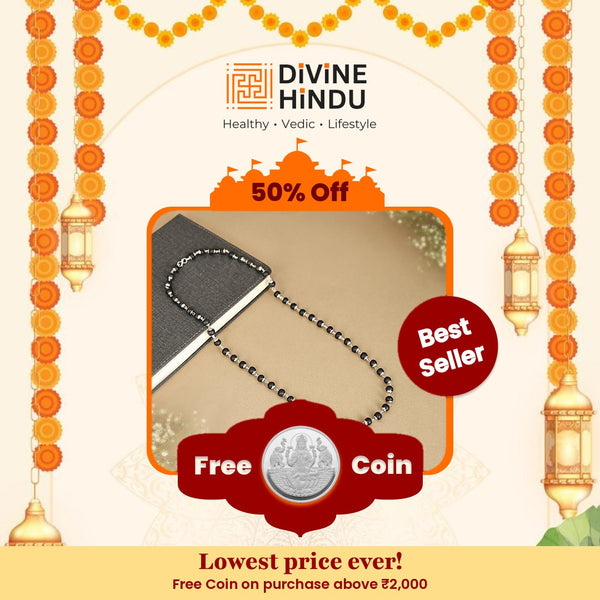
- Mala. If you already sit for japa, a stone mala counts the round and keeps the stone with you at the same time.
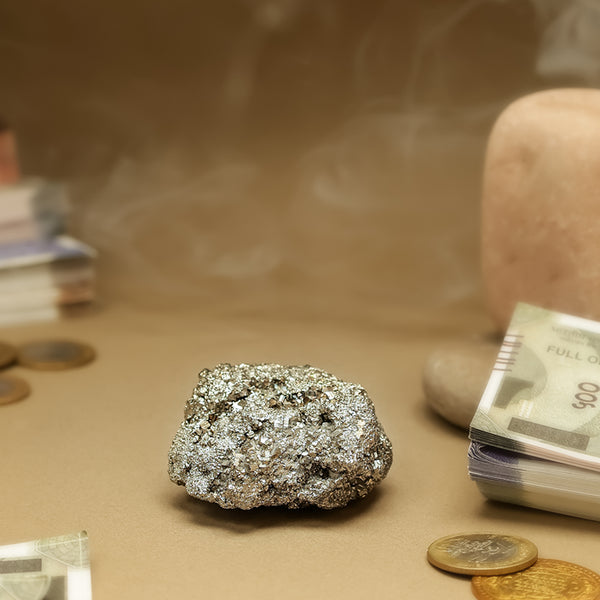
- Raw or rough stone. Nothing to wear or maintain. It sits in a drawer, a locker, a cash box or on a puja shelf.
- Tree or frame. A room-level piece rather than a personal one, for a desk, an entrance or a shop counter.
Bead size
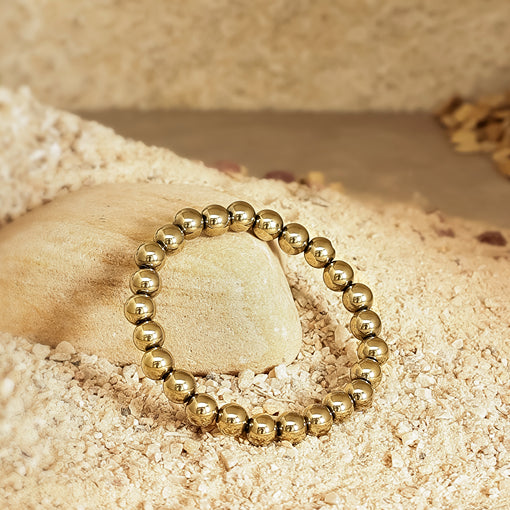
Bead diameter changes how a bracelet behaves far more than most buyers expect. Around 6mm sits flat and disappears under a shirt cuff, which suits office and college wear. 8mm is the everyday middle and the size most people are happiest with. 10mm has visible presence and reads as deliberate. 12mm and above is a statement piece, heavier on the wrist and more likely to knock against a desk edge. For japa, 6mm and 8mm keep the count moving; larger beads slow it down.
What a well-made piece looks like
- Drill holes are clean and centred, without chipping or a halo of white powder around the entry.
- The elastic is doubled and properly knotted rather than a single thin strand, and the knot is tucked inside a bead.
- Bead diameter is consistent along the strand, so the bracelet lies flat instead of rolling.
- Polish is even. Dull patches on an otherwise glossy strand usually mean mismatched beads made up to fill an order.
- Metal caps and charms are seated squarely, with no gap where adhesive is visible.
How to tell natural stone from dyed, treated or synthetic
Look for imperfection first
This inverts the usual instinct. In natural stone, small flaws are evidence of authenticity: veils, feathers, mineral inclusions, tiny internal fractures, uneven banding, a bead that is a shade paler than its neighbour. Glass and resin have none of that. What they have instead is uniformity, and often bubbles, which stone does not produce. Hold the bead to a strong light and look inside rather than at the surface.
The dye tell: colour sits in the cracks
Dye follows the path of least resistance. On a dyed bead, the colour concentrates in every crevice, fracture and around the drill hole, so those lines look darker and more saturated than the body of the stone. Natural colour does the opposite, or does nothing in particular. Rub a suspect bead firmly with a damp white cloth or a cotton bud dipped in acetone-free remover: transferred colour settles the question. This matters most with agate, howlite, magnesite and anything sold as a very vivid blue, green or purple.
Glass, resin and reconstituted stone
Glass tends to give itself away by being too perfect, too bright, warm in the hand, and lighter than expected for its size. Look for a faint mould seam on the bead, tiny round bubbles suspended inside, and a swirl pattern that repeats identically on more than one bead, which a natural mineral cannot do. Reconstituted stone is real mineral powder bound in resin, so it can look convincing at a glance but shows a slightly plasticky, granular texture at the drill hole.
The cold-to-touch test, and why it is only indicative
Real stone conducts heat away from the skin, so a genuine bead feels distinctly cool when you first pick it up and takes a while to warm. Plastic and resin feel neutral or warm almost at once. It is a fair first filter and costs nothing. It is not proof, because glass also feels cool, and because a bead that has been sitting in a warm shop window will not behave as expected. Use it to raise suspicion, not to conclude.
Perfectly matched beads at a very low price
Treat this as the strongest warning sign of the lot. Sorting genuinely matched natural beads is slow, wasteful work, and it is reflected in what a strand costs. A bracelet where twenty-one beads are identical in colour, clarity and pattern, offered at a price well below the rest of the market, is almost always dyed stone, reconstituted material or glass. When something is both flawless and cheap, one of those two claims is doing the lying.
Treated is not the same as fake
Worth stating plainly, because the two get confused. Some treatments are ordinary and disclosed across the trade: most commercial citrine is heat-treated amethyst, many agates are heat-stabilised, and clear quartz is sometimes coated to produce aura finishes. That is still natural stone that has been altered, and it is different from glass sold as quartz. What matters is that the seller tells you which one you are buying.
Stone at a glance
| Stone | Traditionally associated with | Care note |
|---|---|---|
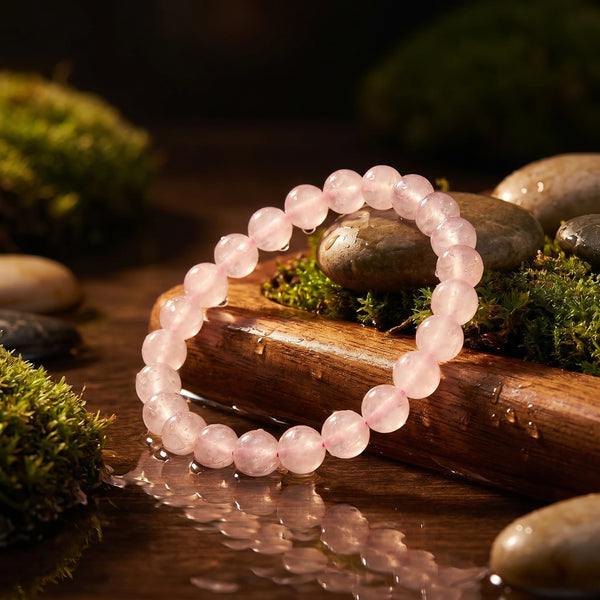
| Rose quartz | Warmth and harmony in relationships | Colour fades in prolonged sunlight; keep off a sunny sill |
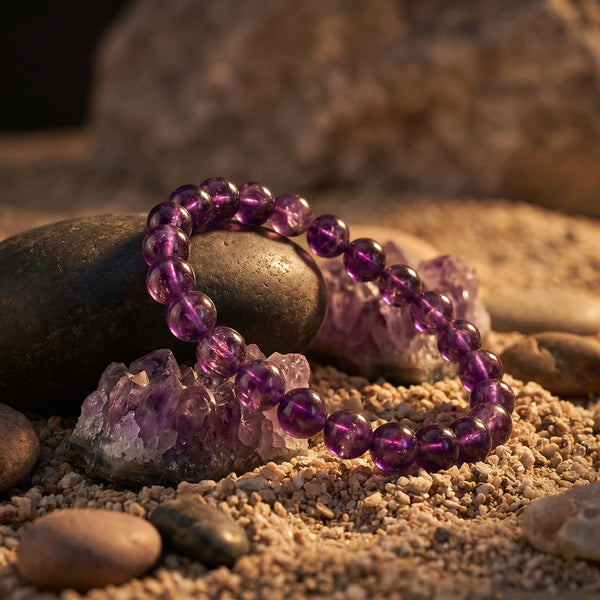
| Amethyst | Calm and a settled mind | Also fades in strong sun; store in a pouch |
| Citrine | Prosperity and confidence | Hard-wearing; commonly heat-treated quartz, which is normal |
| Tiger eye | Steadiness and courage | Tough enough for daily wear; dry cloth only |
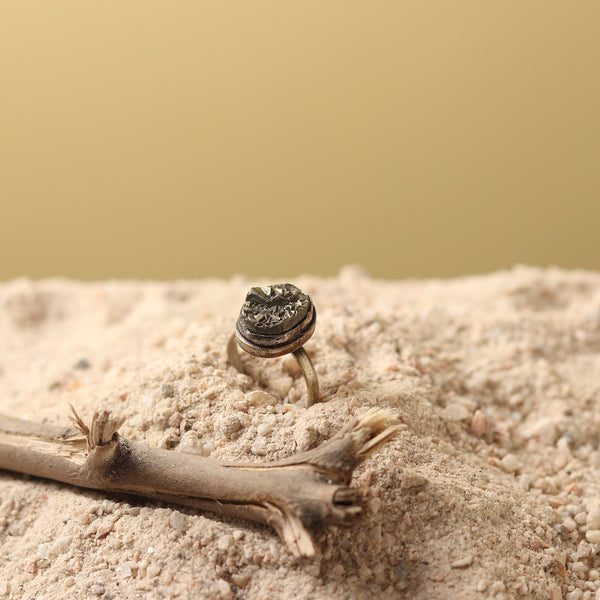
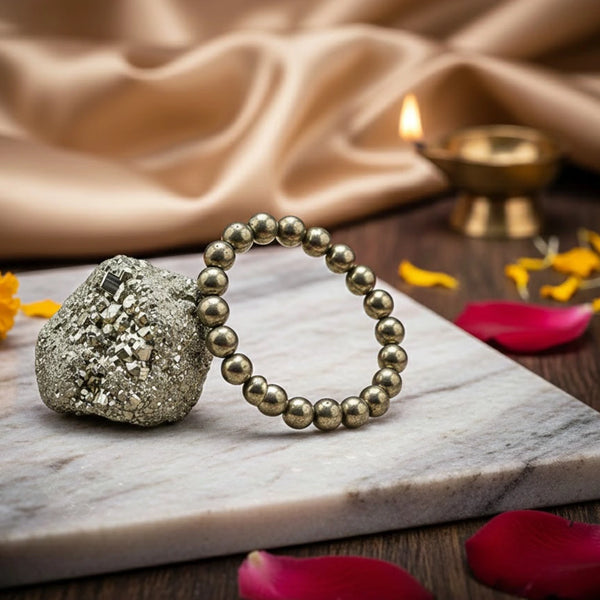
| Pyrite | Prosperity and drive | Never water. Spots and rusts when kept damp |
| Selenite | Clearing and stillness | Dissolves in water. Never wash it, never store it damp |
| Black tourmaline | Grounding and protection | Robust but splits along its length; avoid sharp knocks |
| Green aventurine | Opportunity and growth | Fine in daily wear; keep away from perfume and cleaners |
| Red jasper | Stamina and grounding | Among the most hard-wearing; good for rough daily use |
| Howlite | Calm and rest | Soft and porous; takes up dye, perfume and oil readily |
| Lapis lazuli | Clear speech and truthfulness | Softer than it looks; no ultrasonic cleaners, no acids |
| Moonstone | Intuition and emotional steadiness | Brittle along cleavage planes; avoid impact |
| Yellow calcite | Cheer and self-assurance | Very soft. Scratches easily and reacts with anything acidic |
| Green agate | Patience and steady progress | Frequently dyed; check crevices and the drill hole |
| Carnelian | Drive and warmth | Stable and easy; wipe with a dry cloth |
| Sphatik (clear quartz) | Clarity, and japa practice | Hard and water-safe; the least demanding stone here |
Care by material, because it genuinely differs
Stones that must never meet water. Selenite is gypsum. It is soft enough to mark with a fingernail and it will slowly dissolve in water, losing its silky lustre permanently. Pyrite is an iron sulphide: moisture and sweat oxidise it, so it spots, dulls and eventually rusts. Neither should be washed, soaked, worn in the shower or left in a humid bathroom. Selenite kept in a damp Indian monsoon room will suffer even without direct contact.
Stones that fade. Rose quartz and amethyst both lose colour under prolonged sunlight, and the loss does not reverse. A bracelet worn outdoors day to day is fine. A stone left permanently on a south-facing windowsill or a car dashboard is not. The same caution applies to fluorite and to most dyed material.
Softer stones scratch. Calcite, howlite, selenite, malachite and lapis are all soft enough to be marked by quartz, by a steel clasp, or by each other. Store pieces separately in cloth pouches rather than heaped in one box, and take a bracelet off before gym equipment, kitchen work and anything involving grit.
Everything else. Perfume, hair oil, hand sanitiser, chlorinated pool water and household cleaners all attack polish and, on porous stones, soak in. Put jewellery on last, after scent and lotion, and take it off first.
How to wear, and how to cleanse safely
Custom in India generally places a worn stone on the left wrist when the intention is to receive or settle something, and on the right when it relates to action and output. Many wearers simply use the non-dominant hand, which takes fewer knocks. Neither is a rule; comfort decides whether a piece stays on, and a bracelet in a drawer does nothing at all.
For cleansing, choose a method the material can survive. Smoke from dhoop, sambrani or camphor is safe for every stone here and is the method we suggest by default. A few hours on a bed of dry rice or on a selenite plate is equally safe. Moonlight overnight suits stones that fade in sun. Running water is fine for quartz, agate, tiger eye and jasper, but must never be used for selenite, pyrite, calcite, malachite or any dyed stone. Sunlight should be brief and early if used at all, and avoided altogether for amethyst and rose quartz. Salt is best avoided on porous and soft material.
Frequently asked questions
How do I know the stone I receive is real?
Look inside the bead rather than at it. Natural stone shows inclusions, faint banding and small differences between beads. Check whether colour has pooled in cracks and around the drill hole, whether the bead feels genuinely cool on first touch, and whether any two beads share an identical internal pattern. Our stones are lab-certified and energised before dispatch.
Why does my bracelet look different from the photograph?
Because it is natural stone. Shade, banding, sparkle and inclusion pattern vary between pieces and even between beads on the same strand. Photographs show a representative piece, not the exact one you will receive. A range where every unit matched the photograph exactly would be the thing to worry about.
Can I wear more than one stone at a time?
Yes, and stacking is common. Two practical cautions: do not stack a soft stone next to a hard one, because the harder bracelet will scratch the softer, and do not stack pyrite or selenite against anything you wash, since neither tolerates moisture. Beyond that, most people find two or three pieces is where it stops feeling comfortable.
Can I wear a stone with Rudraksha or Karungali?
It is very commonly done. Many buyers pair a stone bracelet with Rudraksha or with Karungali on the other wrist. Keep the two on separate strands so the bead materials are not rubbing against each other, and remember that Rudraksha and Karungali have their own care needs.
How often should a stone be cleansed?
There is no fixed interval in tradition. A common practice is once a fortnight for a daily-wear piece, and after any occasion when it has been handled a great deal by others. Use whichever safe method the material allows.
Is a raw stone better than a polished one?
Neither is considered superior. Raw stone shows the crystal form and is what people usually keep in a drawer, a locker or on a shelf. Polished beads are cut for contact with the skin and for comfort in daily wear. Choose by how you intend to use it.
Should I choose a stone by my rashi or by intent?
Either approach is used. In Vedic astrology, gemstone selection is traditionally made by a qualified astrologer working from a full birth chart, not from a sign alone. Our sign-based pages are organised for convenience in browsing rather than as a personal recommendation. If you have a jyotishi's guidance, follow it over any general guide, including this one.
Stones and their associations described here belong to long-standing tradition and belief. Nothing on this page is a claim of result, and none of it is a substitute for medical, financial or professional advice.