 Cow Shelter / Donation

Panch Mukhi Rudraksha: Beads, Bracelets and Malas
Panch Mukhi Rudraksha is the five-faced Rudraksha bead, associated in Hindu tradition with Lord Shiva. This page lets you compare it as single beads, bracelets, 54+1 bead malas, a 108-bead mala combo and Karungali pairings.

 Black

About 5 mukhi Rudraksha
Panchmukhi, or 5 Mukhi, names the five-faced Rudraksha bead. This collection lets you compare that bead in several formats: individual pieces, capped versions, bracelets and mala combinations.
A bead’s mukhi count is not its diameter or the total number of beads in a mala. Read those details separately. When comparing a loose bead with a ready-to-wear design, check the thread, cap or chain inclusion and any certificate information shown for that item.
Explore other individual mukhi beads.
- Mukhi
- 5 (panch mukhi), five natural faces
- Formats
- Single beads, bracelets, 54+1 bead malas, a 108-bead combo
- Origin stated
- Nepali, on several listings
- Pairings
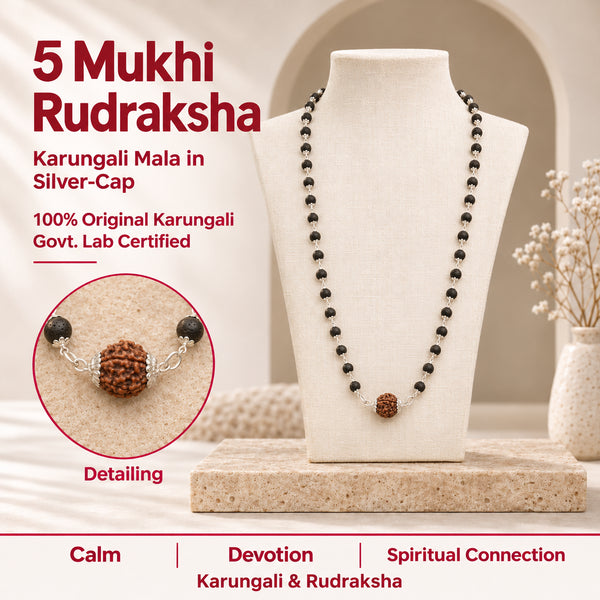
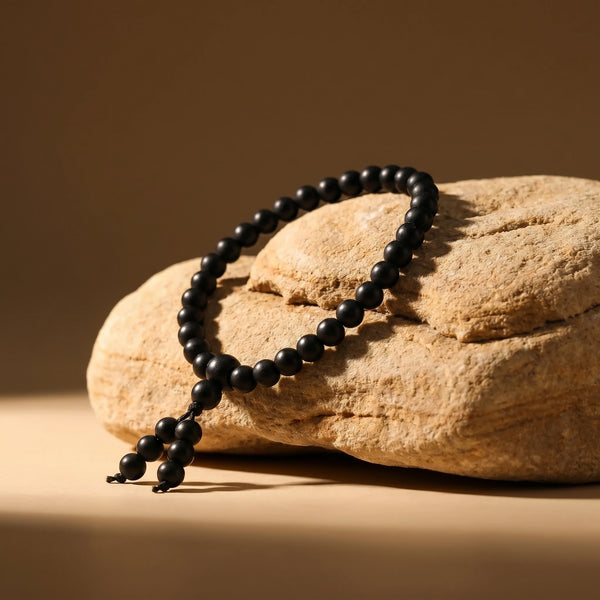
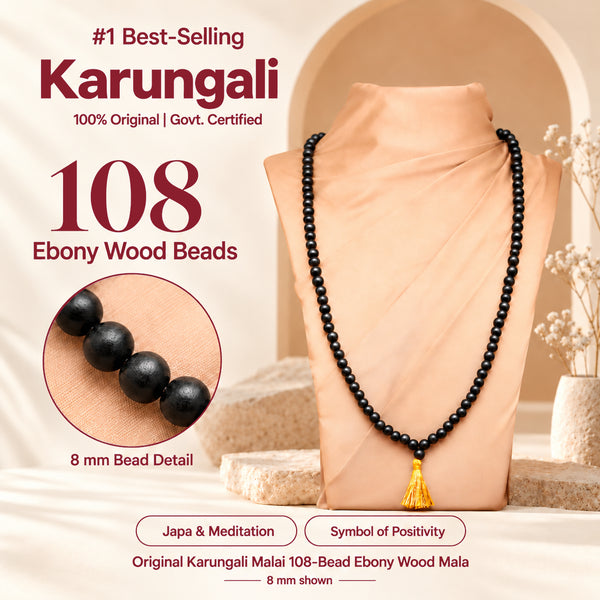
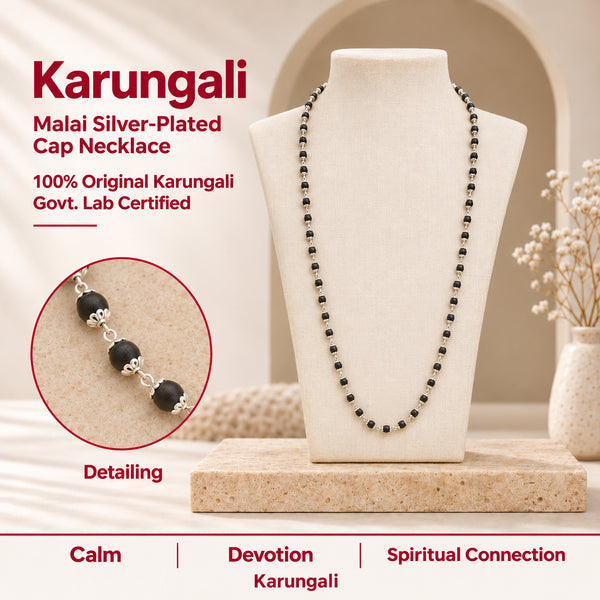
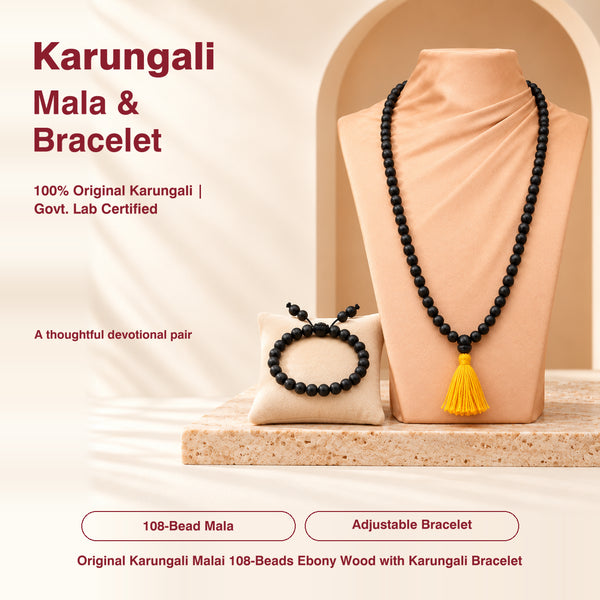
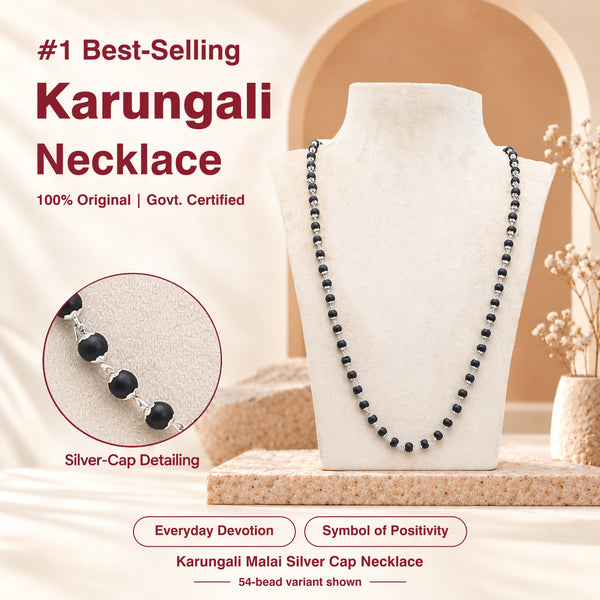
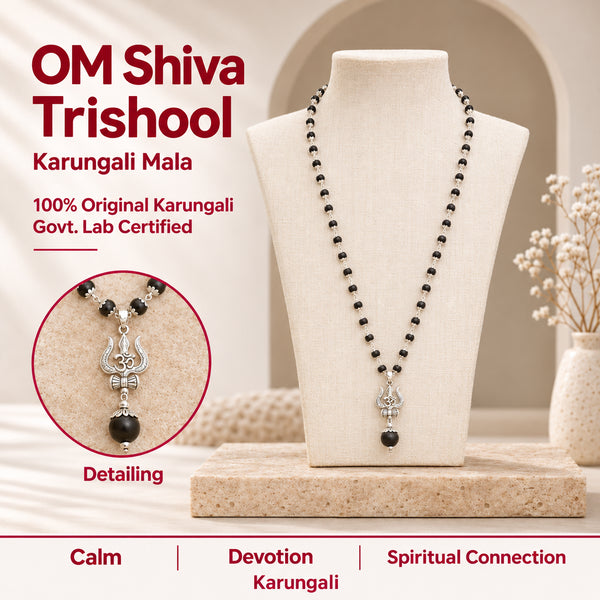
- Karungali (ebony) bracelet and silver-cap Karungali mala
- Tradition
- Associated with Lord Shiva
Panch mukhi rudraksha formats on this page
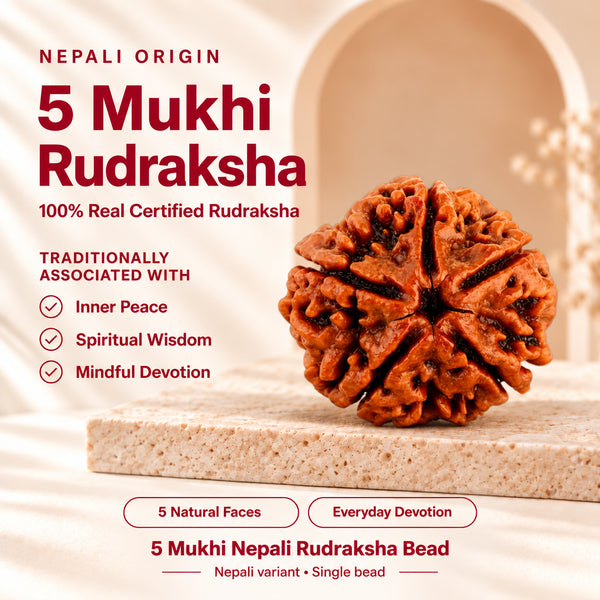
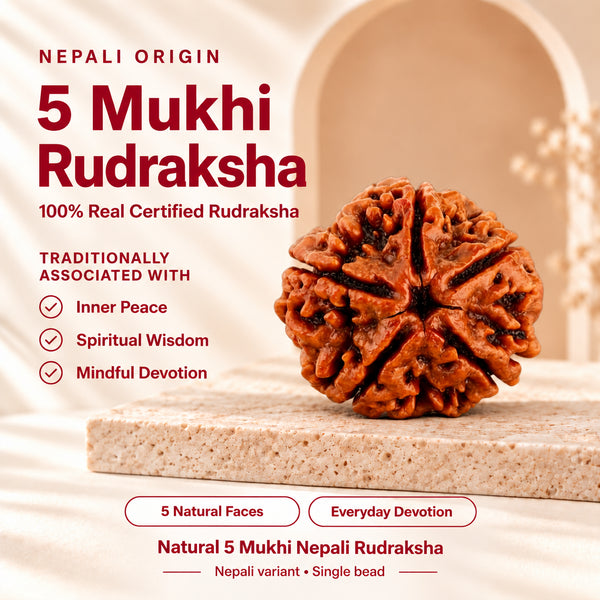
- Single beads: the 5 Mukhi Nepali Rudraksha Bead and the Natural 5 Mukhi Nepali Rudraksha.
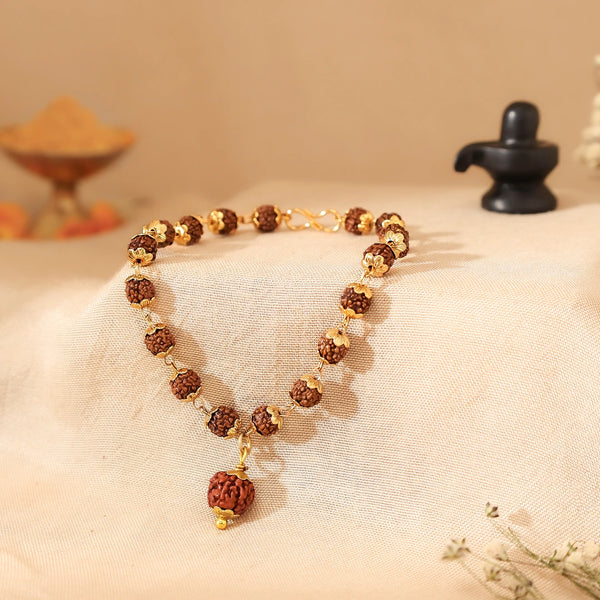
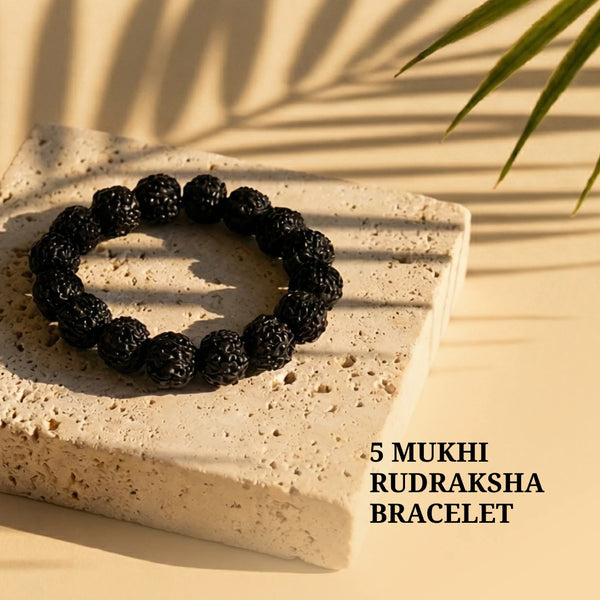
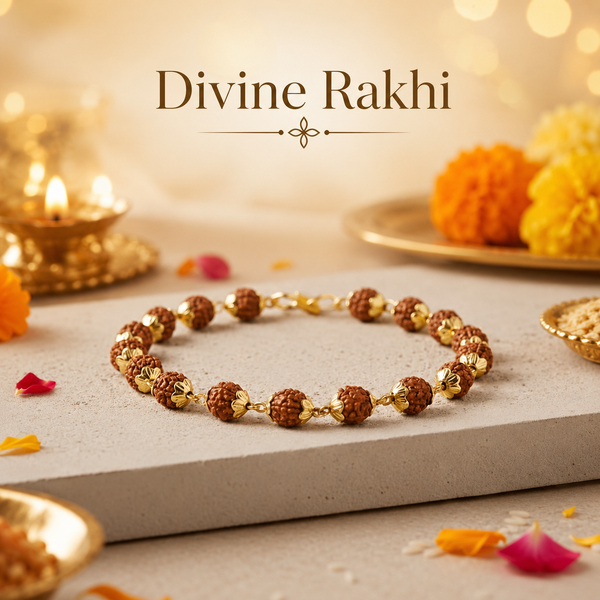
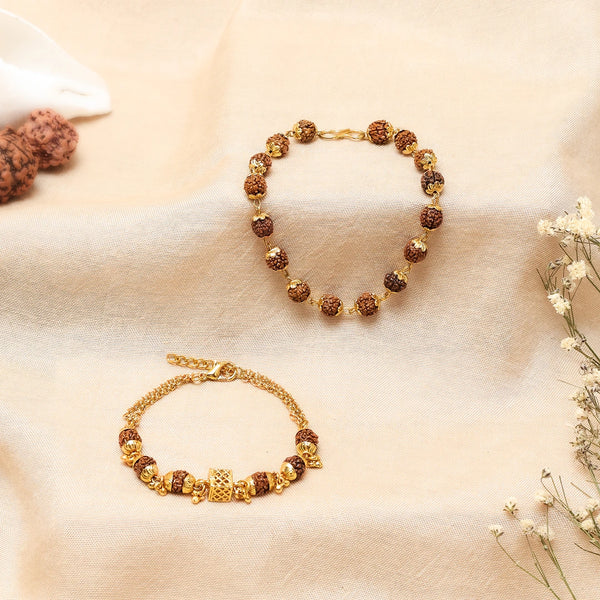
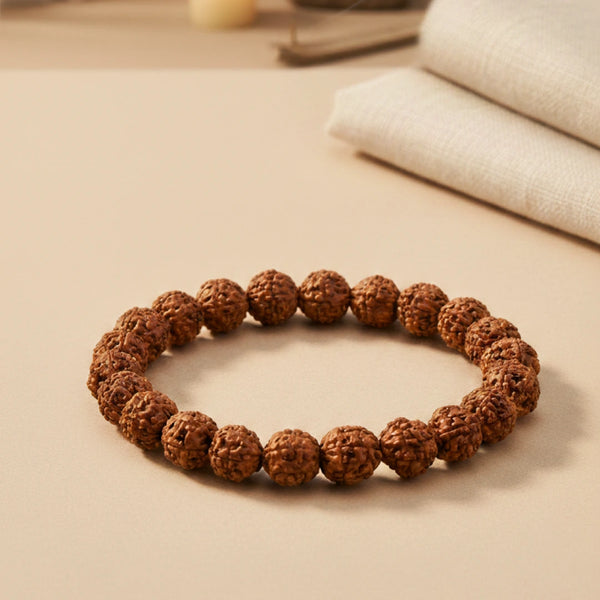
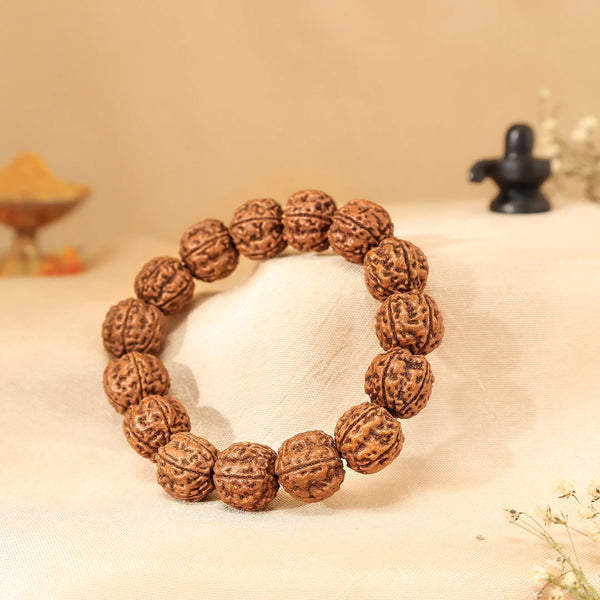
- Bracelets: plain and gold cap designs, including the Golden Cap 5-Mukhi Rudraksha, listed as lab certified.
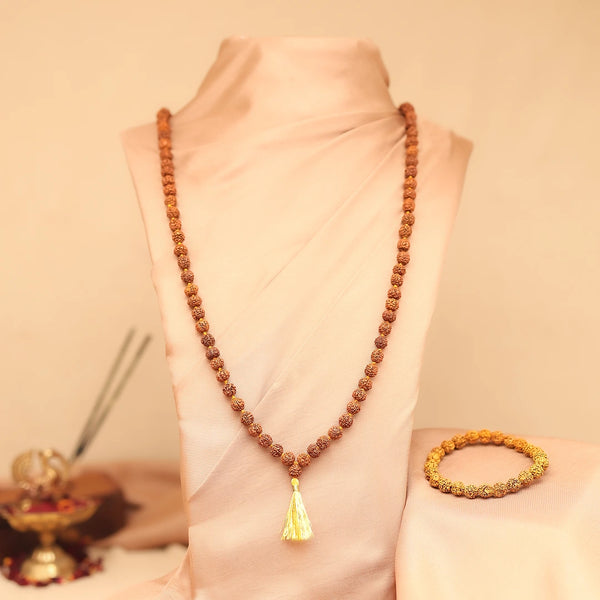
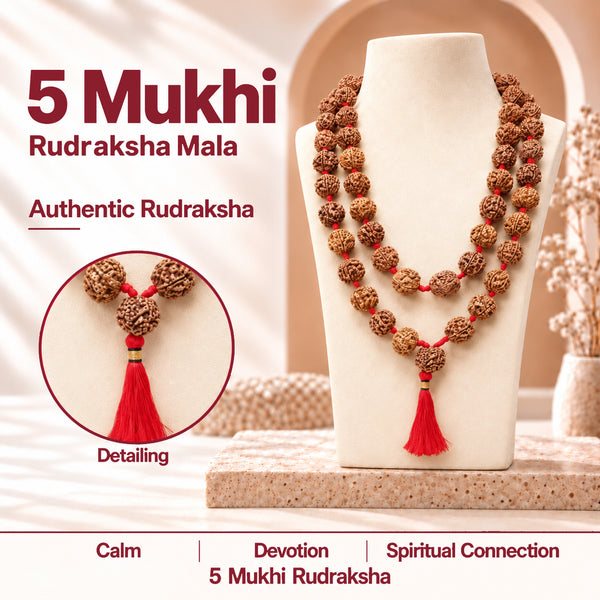
- Malas: the 5 Mukhi Rudraksha Kantha Mala and the 5 Mukhi Nepali Rudraksha Mala, both with 54+1 beads.
- Combinations: the 108-bead mala and bracelet combo, plus pieces that pair the bead with Karungali (ebony).
Each listing states its own bead size, count and finish.
How to choose: mukhi, size and count
Three details describe a 5 Mukhi piece, and they are separate. The mukhi is the number of faces on each bead. The size is the bead’s diameter. The count is the number of beads in a mala or bracelet.
Some people wear a bracelet or a 54+1 bead mala every day. For japa, many devotees use a mala with 108 beads plus a guru bead. When you compare a loose bead with a ready-to-wear design, check the thread, cap or chain and any certificate information shown for that item.
How to wear a 5 Mukhi Rudraksha
Many devotees first wear the bead on a Monday, after a bath, while chanting Om Namah Shivaya. Some keep the mala in the puja room and wear it only for japa. Follow your family custom or your guru’s guidance.
A bracelet sits on the wrist, while a single bead is usually worn on a thread or chain. For pendant designs, browse Rudraksha pendants and check the mukhi named on each. For more wrist designs, see Rudraksha bracelets.
Caring for your beads
Keep Rudraksha dry and away from soap, perfume and chemicals. Take it off before swimming, and wipe it with a soft cloth after wearing. Store it in a clean pouch when you are not using it.
Some people rub a few drops of oil into the beads from time to time so they do not dry out. Follow any care guidance given on the product page for capped or Karungali designs, such as the Karungali Rudraksha Bracelet.
Frequently asked questions
What are the 5 face rudraksha benefits?
How should I start wearing a 5 Mukhi bead?
Is the 5 Mukhi Rudraksha original and from Nepal?
What is the panch mukhi rudraksha price?
Can women wear a 5 Mukhi Rudraksha bracelet?
What does 54+1 beads mean on a mala?
Related pages
- Rudraksha Bracelet Designs for Men and Women
- Rudraksha Pendants: 1 Mukhi, Adiyogi and Karungali Malai Designs
- Single Rudraksha Bead by Mukhi, Origin and Size
- Nepali Rudraksha Beads, Malas and Necklaces
- Rudraksha Rakhi Gifts: Malas, Necklaces and 5 Mukhi Beads
- Ek Mukhi (1 Mukhi) Rudraksha Bead and Pendants
- 7 Mukhi Rudraksha: Single Beads and Malas
- Rudraksha Mala, Beads, Necklaces and Bracelets
Updated on 20 October 2026

Top picks for you
 6mm
 8mm
 Small 7*7 inch


