Single Rudraksha Beads — Buy One Bead by Mukhi
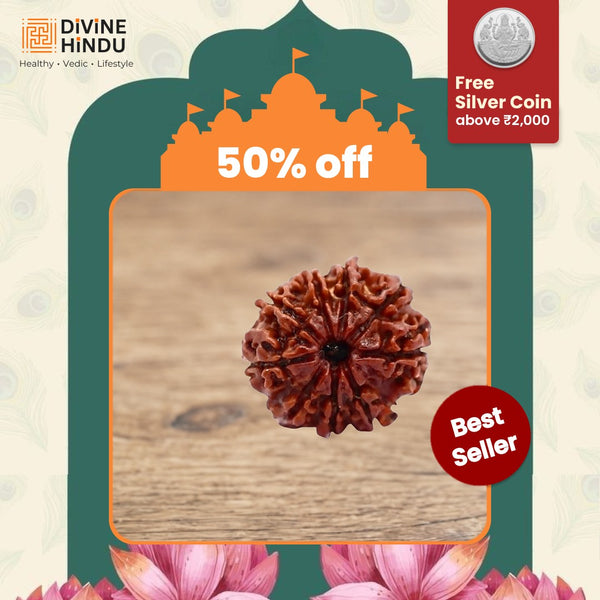
A single Rudraksha bead — worn on a thread, capped in silver, or simply kept in your puja space — is the simplest way to begin with Rudraksha. Each bead is classified by its mukhi, the natural vertical lines running down its surface, and every mukhi is traditionally associated with a different deity. This collection is for wearers who want one specific bead for one specific intention, rather than a full 108-bead strand.
Buying one bead is a different exercise from buying a strand. You are paying for that individual seed, so its size, symmetry, surface and paperwork all matter in a way they never do when a hundred beads are averaged out. And because a loose bead has to be mounted before it can be worn, how you set it becomes part of the decision.
Setting a Loose Bead — Your Four Options
| Setting | What it involves | Suits |
|---|---|---|
| Plain thread | Red or black cotton or silk knotted at the bead | The traditional option; simplest and cheapest to redo |
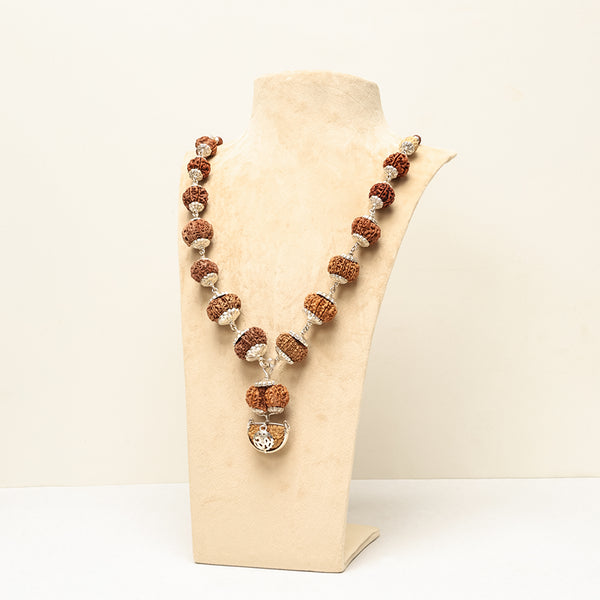
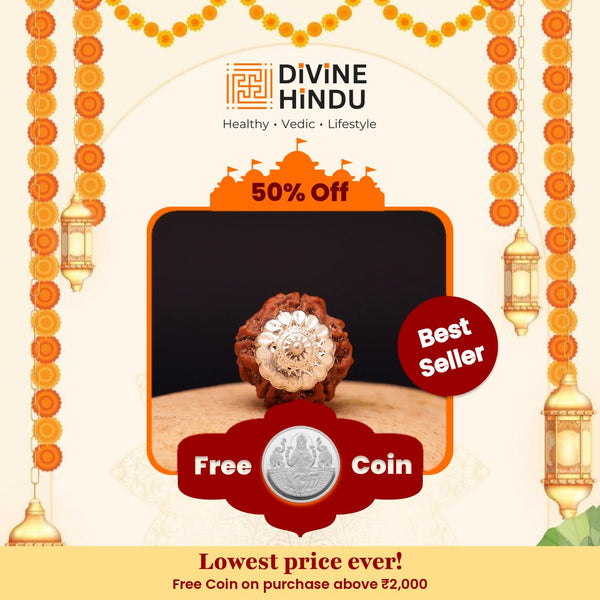
| Silver cap and chain | A metal cap bonded over the crown, hung from a chain | Daily wear; protects the drill hole and takes the strain |
| Gold-plated cap | The same construction with a dressier finish | Gifting and occasion wear; keep it away from water |
| Kept unmounted | Stored in a cloth pouch or silver case in the puja space | Rare and high-value beads used for practice, not worn |
Capping is not only cosmetic. The drilled hole at a bead's crown is its structural weak point, and a metal cap transfers the load of the thread away from it. A large or valuable bead worn daily on bare thread will eventually wear at the crown; capped, it will not.
Judging an Individual Bead
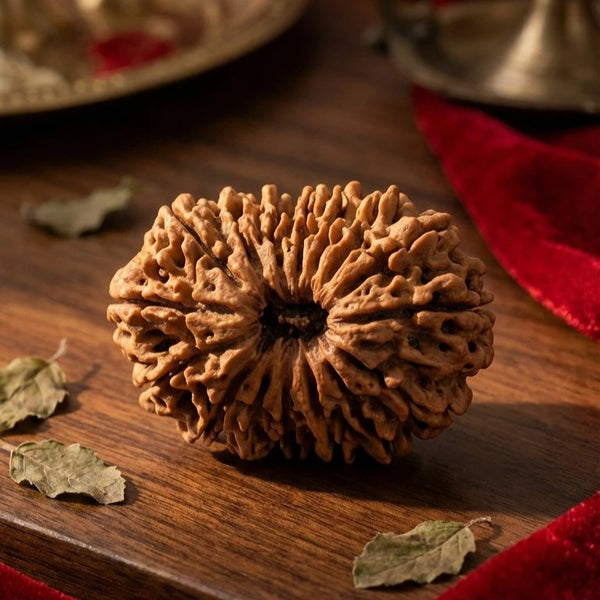
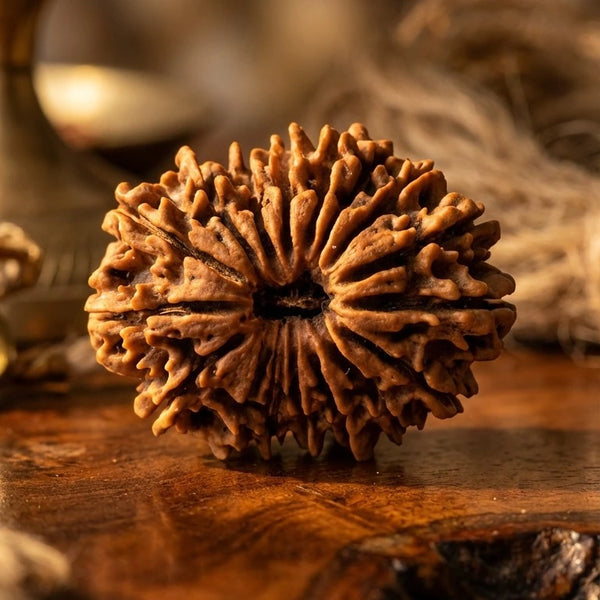
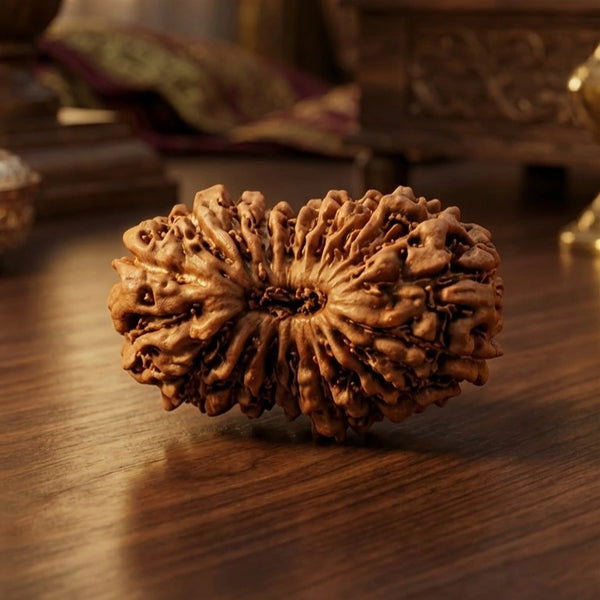
- Size. Stated in millimetres across the widest point. Within the same mukhi and origin, larger beads cost more, and the increase is steep at the top of the range. A larger bead also suits a pendant setting better.
- Symmetry. Faces distributed evenly around the circumference grade higher than a bead where three clefts crowd together and the rest stretch wide.
- Surface. Some character is natural and expected in a seed. Insect holes, chips at the crown and hairline cracks running through a cleft are the ones to avoid.
- The bore. A narrow, centred drill hole preserves the bead. A wide or off-centre one often means a bead re-drilled to disguise a fault, and it weakens the crown.
- Origin. Nepali beads are larger, heavier and more deeply grooved; Java beads are smaller, smoother and considerably less expensive. Both are genuine, and the label should say which you are getting.
Which Mukhi to Buy
Associations below come from traditional Rudraksha literature and differ between texts, regions and lineages. They describe custom, not guaranteed outcomes.
| Bead | Traditionally associated with | Typically bought by |
|---|---|---|
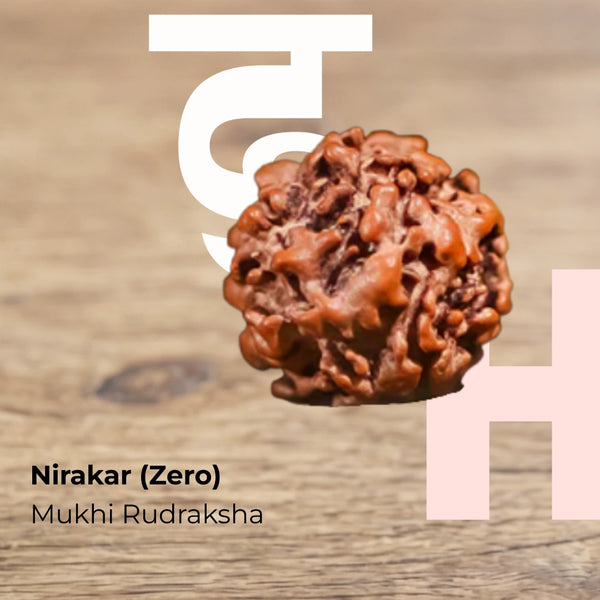
| 1 Mukhi | Lord Shiva; the Sun | Collectors and advanced practitioners; the scarcest bead |
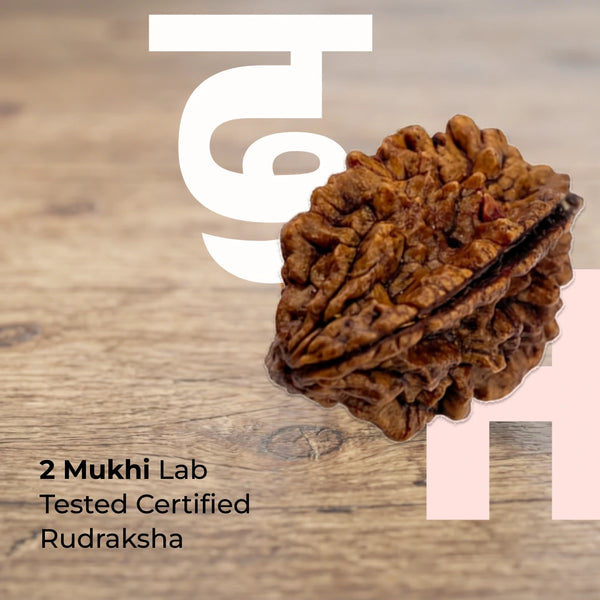
| 2 Mukhi | Ardhanareeshwar; the Moon | Couples and family elders |
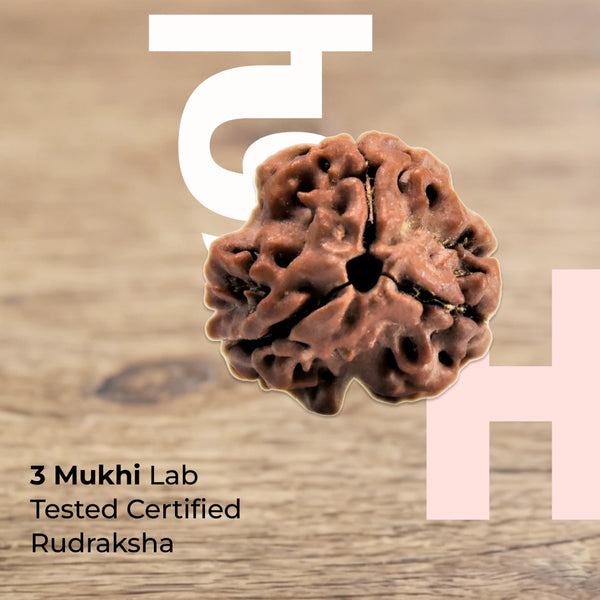
| 3 Mukhi | Agni; Mars | Those marking a fresh start |
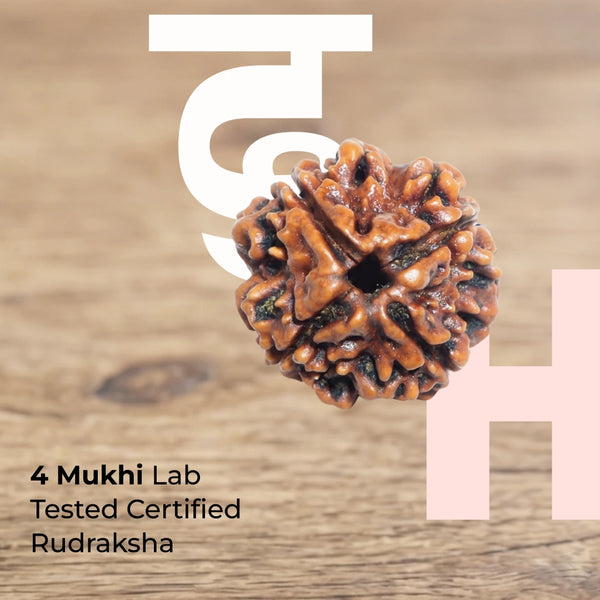
| 4 Mukhi | Lord Brahma; Mercury | Students, teachers, writers and speakers |
| 5 Mukhi | Kalagni Rudra, a form of Shiva; Jupiter | First-time buyers; the standard daily bead |
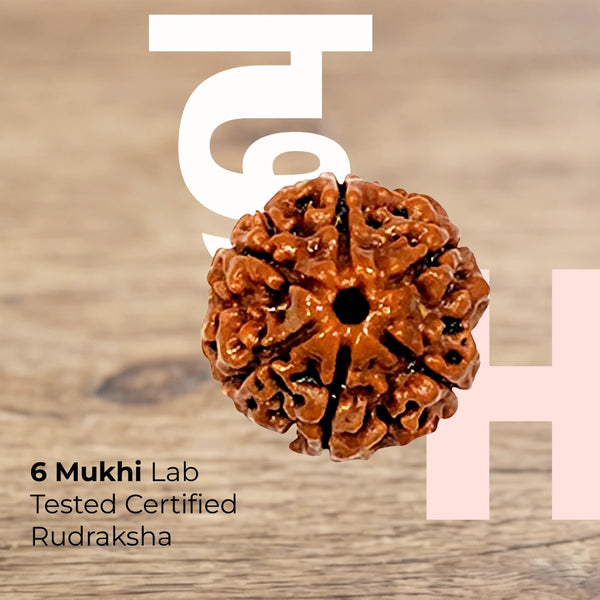
| 6 Mukhi | Lord Kartikeya; Venus | Younger wearers and those in creative work |
| 7 Mukhi | Goddess Mahalakshmi; Saturn | Householders and those in trade |
| 8 Mukhi | Lord Ganesha; Rahu | People starting a venture |
| 9 Mukhi | Goddess Durga; Ketu | Those asking for a bead of courage |
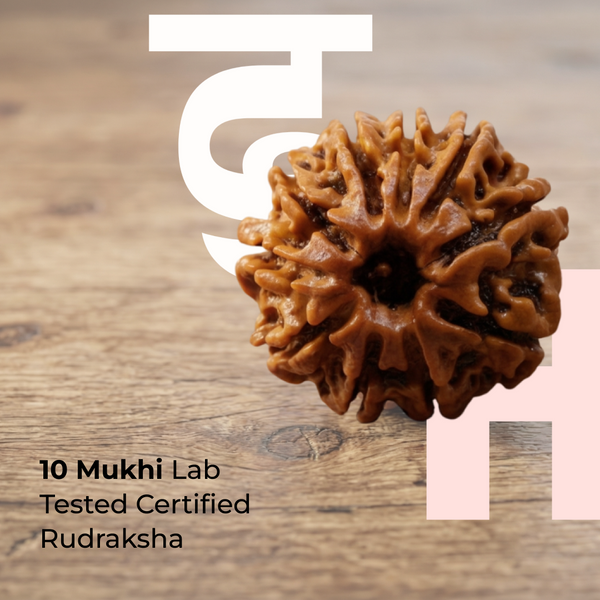
| 10 Mukhi | Lord Vishnu; no single ruling planet | Buyers wanting a general protective bead |
| 11 Mukhi | Ekadash Rudra, associated with Hanuman | Committed practitioners |
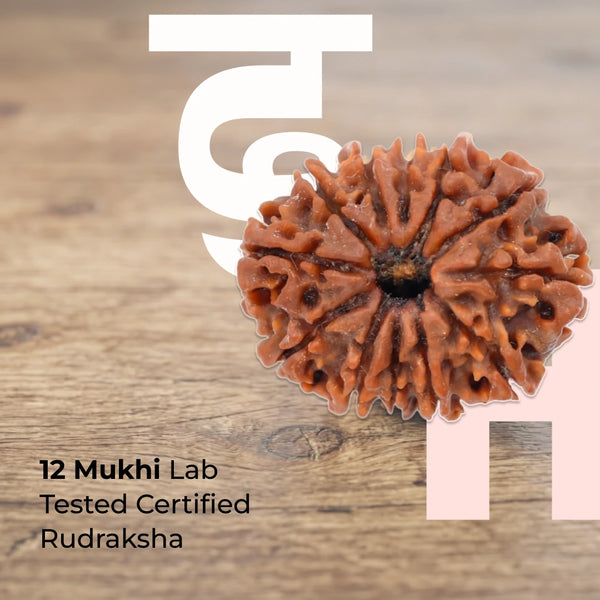
| 12 Mukhi | Surya, the Sun | Those in leadership or public roles |
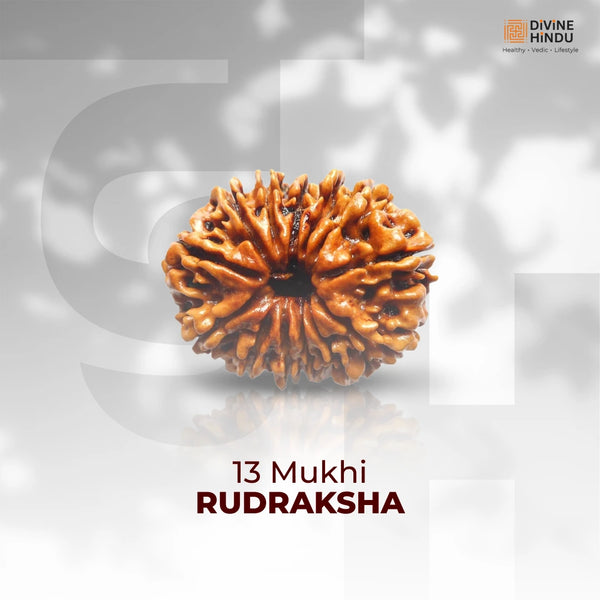
| 13 Mukhi | Indra and Kamadeva; Venus | Wearers choosing it for personal presence |
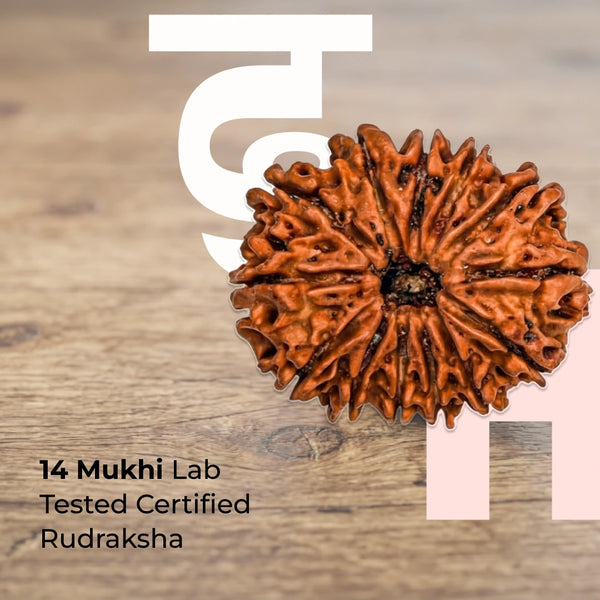
| 14 Mukhi | Deva Mani, associated with Hanuman | Advanced practitioners; scarce and costly |
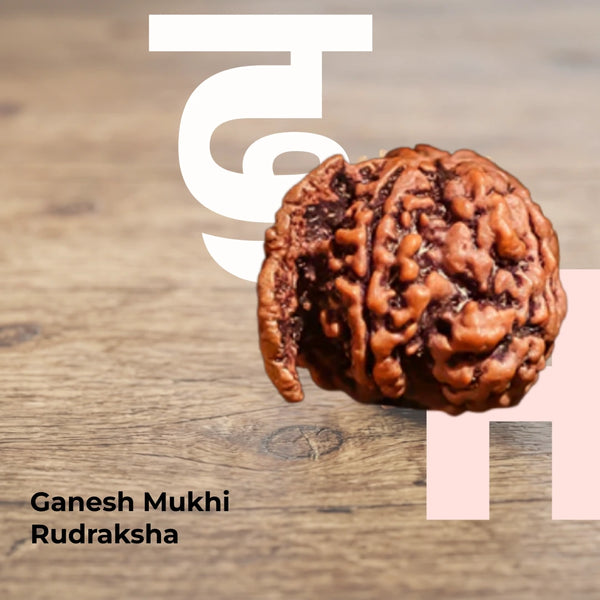
| Ganesh Mukhi | Lord Ganesha, from its natural trunk-like projection | Devotees of Ganesha; valued for form, not face count |
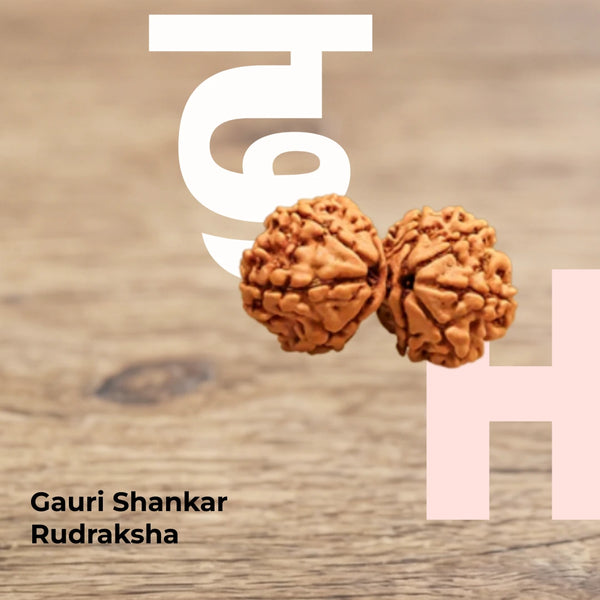
| Gauri Shankar | Shiva and Parvati, from two naturally joined beads | Couples and those seeking a bead of union |
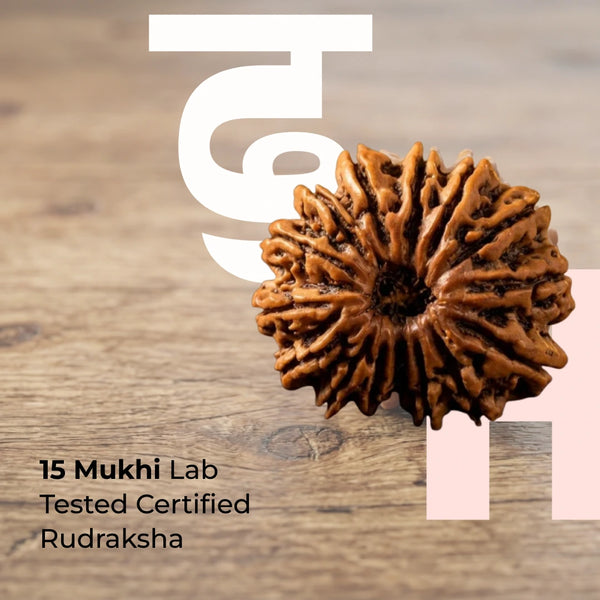
Beads above 14 Mukhi exist and are traded, but in very small numbers and at prices that reflect it. If you are choosing between two or three mukhi and cannot decide, the 5 Mukhi remains the traditional answer for a first bead.
Certification on a Single Bead
This is where single-bead buying differs most from buying a strand. You should receive documentation for that specific seed, not a general statement about the category. A useful report states the mukhi count, the measured dimensions, the weight, the declared origin, confirmation that the bead is natural and untreated, an image, and a reference number tying the paper to the bead in your hand.
The test that matters is the internal one. Every genuine face corresponds to a compartment inside the seed, and an X-ray shows how many kernels are actually present and whether the cavity has been packed with lead or resin. Our beads are X-ray lab tested on that basis. The float-in-water test widely repeated online settles nothing — buoyancy depends on how dry a bead is and how much oil it has absorbed, and genuine beads float routinely.
Higher mukhi carry a particular risk worth naming: the common fake is a genuine 5 Mukhi with extra grooves carved into it. Under magnification, cut lines look flat-bottomed, sit at a constant depth regardless of the seed's curve, and often fail to converge properly at the crown where the faces should meet.
Wearing and Keeping a Single Bead
Monday is the day most commonly chosen to begin, being associated with Lord Shiva, though Shivratri and Sawan Mondays are also widely used. Custom before first wear is a rinse in clean water, a wipe dry, an offering before Shiva and a round of Om Namah Shivaya; every bead we dispatch is energised in advance, so this is optional. Traditional sources place no restriction on women wearing Rudraksha, and families follow their own customs about when to remove it. Some lineages ask for a vegetarian diet while a bead is worn and others do not — follow your own tradition.
Not every single bead is meant to be worn. Rare and high-value beads are frequently kept in the puja space rather than worn to work, taken out for practice and returned. That is entirely usual handling and not a lesser way of owning one.
For care: oil occasionally with mustard, olive or sandalwood oil and wipe off the surplus, keep the bead away from salt water, chlorine, detergent, hand sanitiser and perfume, remove it before bathing, and store it in a cloth pouch rather than loose where it can knock against metal.
Single Bead FAQs
Can I wear just one Rudraksha bead?
Yes, and a great many people do. A single capped bead on a thread or chain is a complete and traditional way of wearing Rudraksha.
Which single bead should I buy first?
A certified 5 Mukhi. It is the most affordable, the most available, and the bead tradition treats as suitable for anyone to wear continuously.
Does the bead need to be capped?
Not necessarily, but capping protects the crown and is worth it on any bead you intend to wear every day or that carries real value.
Can I combine several single beads?
Yes. Wearing two or three chosen mukhi together, or setting one into a 5 Mukhi strand, is common practice. If you are following an astrological recommendation, take that advice from your own astrologer.
Are beads above 14 Mukhi genuine?
They exist and are traded, but rarely, and at prices that reflect it. Certification matters more here than anywhere, since these are the beads most worth faking.
What is a Gauri Shankar bead?
Two Rudraksha beads naturally fused as they grow, traditionally associated with Shiva and Parvati. It is priced on the rarity of its form rather than on a face count.
To wear a bead on the wrist instead, see Rudraksha bracelets; for a full strand, browse Rudraksha necklaces and kanthi malas; or start with a certified 5 Mukhi Rudraksha from the wider Rudraksha collection.