 Cow Shelter/Donation

How to Do Aarti: Meaning, Steps & Popular Aartis
July 18, 2026
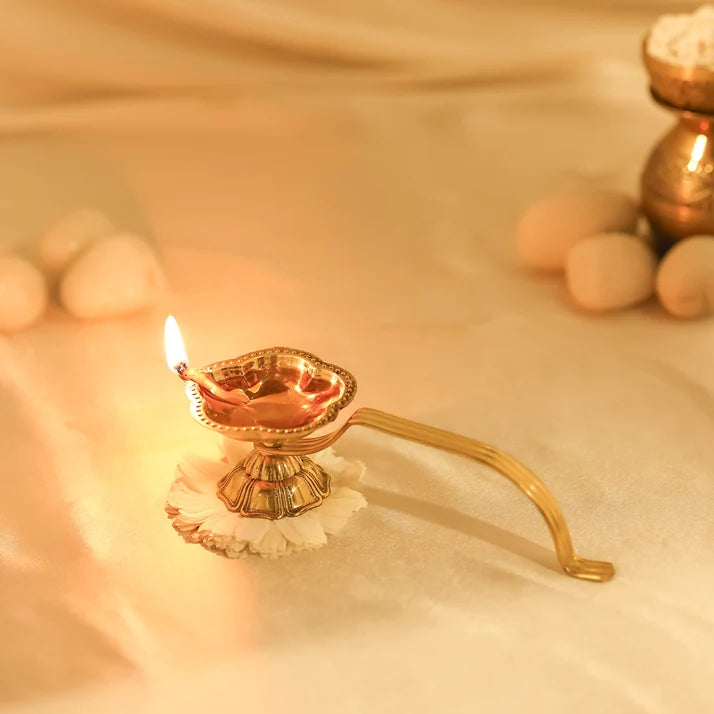
Knowing how to do aarti correctly transforms an ordinary prayer into a deeply devotional experience. Aarti is the joyful ritual of waving a lighted lamp before a deity while singing hymns of praise, performed at the culmination of almost every Hindu puja. It is a moment when the whole family gathers, voices unite and the flame lifts our hearts towards the divine. This guide explains the meaning of aarti, the correct steps and direction, and shares the lyrics of the most popular aartis.
The Divine Hindu App is here.
Chat free with top astrologers for your first 5 minutes every week, generate your Kundli, book temple Puja & Chadhava, and check today's Panchang — all in one app.
The Meaning of Aarti
The word aarti is derived from the Sanskrit aaratrika, meaning something that removes the darkness of the night. When we wave the lighted lamp before the deity, the flame represents the light of knowledge dispelling the darkness of ignorance, ego and negativity. The circular motion signifies that the divine is at the centre of our lives and that everything revolves around that supreme consciousness. Singing the aarti with folded hands, ringing a bell and clapping fills the space with sacred vibration and devotion (bhakti).
Why We Perform Aarti
Aarti is offered to express love, gratitude and surrender to the deity. It is believed that the flame absorbs divine blessings, which is why devotees cup their hands over the aarti flame and then touch their eyes and head, symbolically receiving the Lord's grace. The five elements are honoured through aarti: the lamp (fire), the incense (ether and air), the flowers (earth) and the water offered alongside. Together they make aarti a complete offering of the cosmos back to its creator.
How to Do Aarti: Step-by-Step
| Step | Action |
|---|---|
| 1. Prepare the aarti thali | Place a diya or camphor lamp, flowers, akshat and a small bell on a clean thali |
| 2. Light the lamp | Light the ghee diya or camphor and ring the bell to begin |
| 3. Begin the circles | Hold the lamp in your right hand and wave it clockwise before the deity |
| 4. Cover the deity | Move the flame to cover the feet, navel, face and whole form of the deity |
| 5. Sing the aarti | Sing the aarti hymn while everyone joins in and claps |
| 6. Offer and receive | Offer the flame to family, who cup the warmth over their eyes and head |
The Correct Way to Wave the Aarti
Hold the lamp in your right hand and move it in a clockwise direction, forming gentle circles. Traditionally the flame is circled seven times before the deity, first at the feet (four times), then the navel (two times), then once around the entire form, though many families simply circle it clockwise throughout the hymn. Keep the movements slow, graceful and steady, never hurried.
Popular Aartis Everyone Should Know
Om Jai Jagdish Hare (Universal Aarti)
This is the most widely sung aarti, offered to Lord Vishnu and adaptable to all deities. Its opening lines, Om Jai Jagdish Hare, Swami Jai Jagdish Hare, Bhakt jano ke sankat, kshan mein door kare, praise the Lord who removes the troubles of devotees in an instant.
Jai Ganesh Deva
Sung to Lord Ganesha, this aarti begins with Jai Ganesh, Jai Ganesh, Jai Ganesh Deva, Mata Jaki Parvati, Pita Mahadeva, and is offered first in any worship.
Om Jai Lakshmi Mata
Dedicated to Goddess Lakshmi, this aarti invokes prosperity and is especially popular during Diwali and Friday worship.
Om Jai Shiv Omkara
Offered to Lord Shiva, this powerful aarti is sung during Shivratri and Monday worship, praising the Lord as the source of Om.
Tips for a Beautiful Aarti
Use a ghee lamp or camphor for a pure, fragrant flame, sing with genuine devotion rather than perfect pitch, and involve children so the tradition is passed on. Keep the aarti flame steady and never let it go out midway. To understand why the lamp is at the heart of aarti, read our diya lamp significance guide, and to see how aarti fits into a complete daily routine, explore our daily pooja essentials guide.
Frequently Asked Questions
In which direction should aarti be performed?
Aarti is waved in a clockwise direction before the deity, holding the lamp in the right hand and moving it gently in circles.
How many times should the aarti lamp be circled?
Traditionally the flame is circled seven times, covering the feet, navel and full form of the deity, though many families simply circle it clockwise throughout the hymn.
Why do we take the aarti flame near our eyes and head?
Cupping the hands over the aarti flame and touching the eyes and head symbolises receiving the deity's light, warmth and blessings into oneself.
Can I do aarti with camphor instead of a diya?
Yes. Camphor (kapoor) is widely used for aarti as it burns with a bright, pure flame and leaves no residue, symbolising the ego dissolving completely before the divine.
What time should aarti be performed?
Aarti is usually performed at the end of the morning and evening puja. Many families do a morning aarti after sunrise and an evening aarti at dusk (sandhya).
Light up your worship with authentic, beautifully crafted lamps. Explore our Diyas & Lamps collection to perform your aarti with radiance and devotion.


