 Cow Shelter/Donation

Maha Shivratri 2026: Date, Puja Vidhi & Significance
February 23, 2024
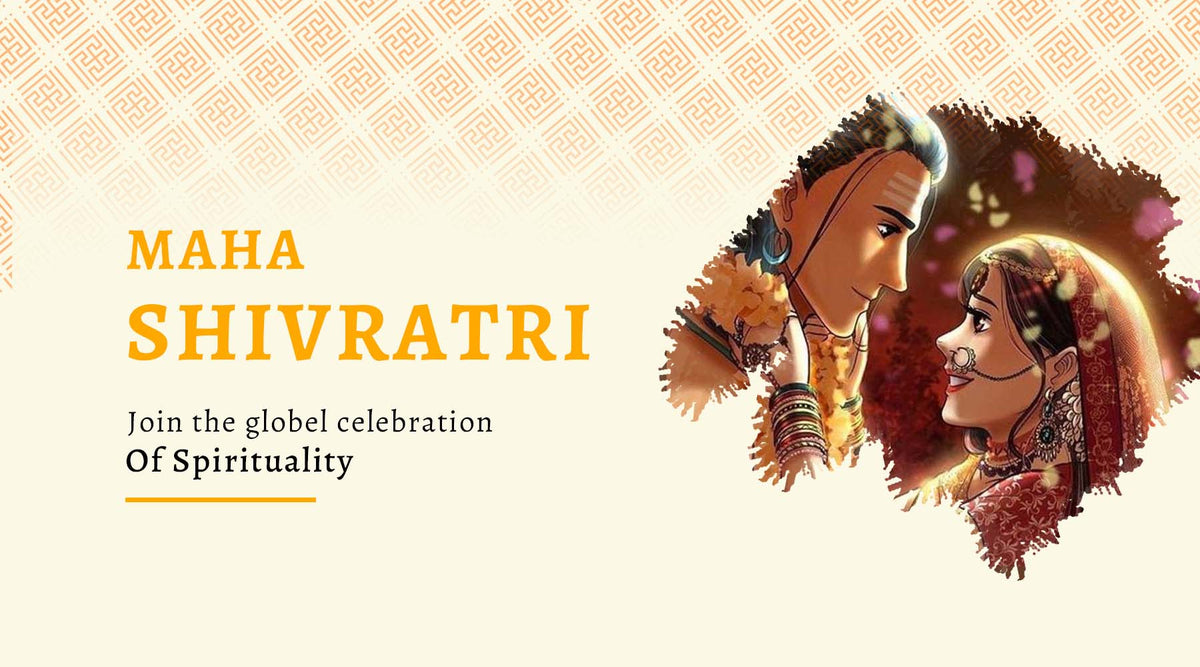
Maha Shivratri 2026 will be observed on Sunday, 15 February 2026. Known as the Great Night of Lord Shiva, it is one of the most revered Hindu festivals, celebrated with profound devotion. It falls on the 14th day (Chaturdashi) of the dark fortnight of the month of Phalguna in the Hindu lunar calendar and holds deep cultural and spiritual significance.
The Divine Hindu App is here.
Chat free with top astrologers for your first 5 minutes every week, generate your Kundli, book temple Puja & Chadhava, and check today's Panchang — all in one app.
When is Maha Shivratri 2026?
In 2026, Maha Shivratri falls on Sunday, 15 February. The Chaturdashi Tithi begins on the evening of 15 February and ends the following evening. Devotees observe the vrat (fast) through the day and perform puja across the four praharas (quarters) of the night, with the Nishita Kaal (midnight) considered the most auspicious time for worship.
Understanding Maha Shivratri
Maha Shivratri is dedicated to worshipping Lord Shiva, a principal deity in Hinduism. It is believed that on this night Lord Shiva performs the celestial dance of creation, preservation and destruction (Tandava).
Historical and Mythological Background
Maha Shivratri is mentioned in various Hindu scriptures and is said to mark the wedding anniversary of Lord Shiva and Goddess Parvati. According to the Puranas, it is also the night when Lord Shiva manifested in the form of a Lingam.
Significance in Hindu Culture
Maha Shivratri symbolises the triumph of light over darkness and ignorance. Fasting and worshipping Lord Shiva on this day are believed to bring blessings, prosperity and spiritual growth.
Maha Shivratri Puja Vidhi and Rituals
The festival is marked by fasting and the ritual bathing of the Shiva Lingam with milk, honey, curd, ghee and water, known as Abhishekam. Devotees offer bilva (bel) leaves, fruits and flowers, light incense and diya, and chant the mantra "Om Namah Shivaya" through the night. Staying awake (jagran) in honour of Lord Shiva is considered especially auspicious.
Fasting on Maha Shivratri
Many devotees observe a strict nirjala (waterless) fast, while others keep a phalahar fast with fruits, milk and vrat-friendly foods. The fast is traditionally broken the next morning after the night-long worship. Fasting is believed to purify the mind and body and deepen one's devotion.
Beliefs and Myths
Worshipping Lord Shiva on Maha Shivratri is believed to wash away sins, grant liberation from the cycle of birth and death, and bring inner peace.
Celebrations Across India
Maha Shivratri is celebrated with grandeur across India, with elaborate temple processions, community gatherings, devotional songs and prayers that reflect the rich cultural heritage and spiritual essence of the festival.
Spiritual Significance
Beyond the external rituals, Maha Shivratri encourages devotees to embark on a journey of self-discovery and enlightenment through meditation, chanting and self-discipline. In essence, it is a sacred occasion that embodies devotion, spirituality and cultural heritage.
Frequently Asked Questions
What is the date of Maha Shivratri 2026?
Maha Shivratri 2026 falls on Sunday, 15 February 2026.
What should you offer to Lord Shiva on Maha Shivratri?
Devotees offer water, milk, honey, curd, ghee, bilva (bel) leaves, fruits and flowers to the Shiva Lingam during Abhishekam.
Which mantra is chanted on Maha Shivratri?
The primary mantra is "Om Namah Shivaya," along with the Maha Mrityunjaya mantra.
For divine jewellery and puja essentials, visit www.divinehindu.in.


