 Cow Shelter/Donation

Om Gan Ganapataye Namah: Ganesh Mantra Benefits
July 18, 2026
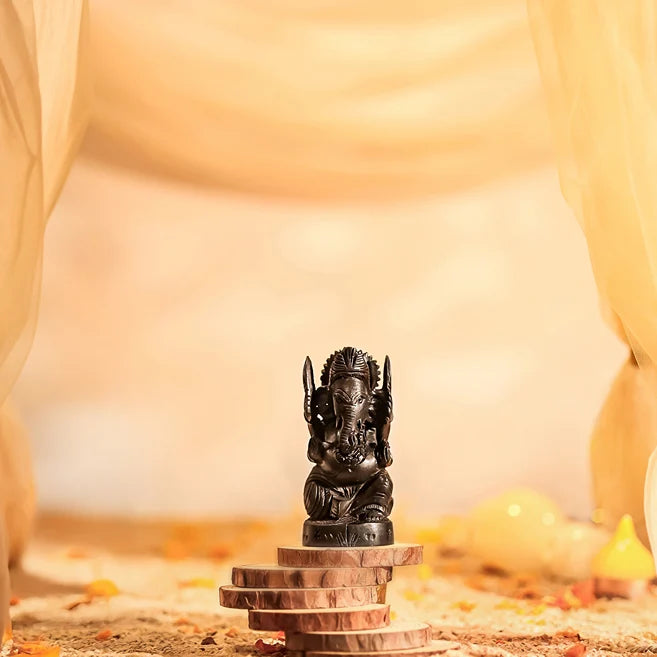
The Ganesh mantra Om Gan Ganapataye Namah is one of the most beloved chants in Hindu tradition, offered to Lord Ganesha, the remover of obstacles and lord of beginnings. Devotees recite it before starting any new venture, believing it clears the path and invites wisdom and success. This guide shares the correct Sanskrit, transliteration and meaning, along with the traditional benefits of the mantra.
The Divine Hindu App is here.
Chat free with top astrologers for your first 5 minutes every week, generate your Kundli, book temple Puja & Chadhava, and check today's Panchang — all in one app.
Who Is Lord Ganesha?
Ganesha, the elephant-headed son of Shiva and Parvati, is worshipped first among all deities. He is Vighnaharta, the remover of obstacles, and Buddhi-pradata, the giver of intellect. No auspicious task, wedding, business launch or journey, traditionally begins without first invoking Ganesha. His large ears symbolise deep listening, and his trunk represents adaptability.
The Ganesh Beej Mantra
The most widely chanted Ganesha mantra.
Sanskrit: ॐ गं गणपतये नमः
Transliteration: Om Gan Ganapataye Namah
Meaning: I bow to Lord Ganapati (Ganesha). Gan is his seed (beej) sound, invoking his energy as the leader of the ganas and the remover of obstacles.
The Ganesha Vakratunda Mantra
A classical shloka often recited at the start of ceremonies.
Sanskrit: वक्रतुण्ड महाकाय सूर्यकोटि समप्रभ | निर्विघ्नं कुरु मे देव सर्वकार्येषु सर्वदा ||
Transliteration: Vakratunda Mahakaya Suryakoti Samaprabha, Nirvighnam Kuru Me Deva Sarva-Karyeshu Sarvada
Meaning: O Lord with the curved trunk and mighty body, whose brilliance equals ten million suns, please make all my endeavours free of obstacles, always.
Traditional Benefits of the Ganesh Mantra
| Area | Traditional Belief |
|---|---|
| New beginnings | Invoked before starting ventures, journeys and studies |
| Removing obstacles | Believed to clear hurdles and smooth the path ahead |
| Focus and intellect | Associated with clarity, wisdom and concentration |
| Calm and confidence | Chanting is thought to steady the mind before challenges |
How to Chant the Ganesh Mantra
Traditional practice suggests chanting 108 times using a mala, ideally in the morning after a bath. Wednesdays and Chaturthi (the fourth lunar day) are considered especially dear to Ganesha. Sit facing east or north, light a lamp, and recite calmly and clearly.
- Begin with a moment of stillness and a clear intention.
- Chant Om Gan Ganapataye Namah once per bead of a 108-bead mala.
- Close by sitting quietly for a few breaths in gratitude.
A rudraksha mala is a traditional favourite for chanting. To choose one, explore our rudraksha collection. For seed mantras of the nine planets, see our navagraha beej mantras guide.
Ganesh Mantra and Ganesh Chaturthi
Ganesh Chaturthi is the grand festival celebrating Ganesha's birth, when the mantra is chanted with special devotion across homes and pandals. For a complete festival guide, read our Ganesh Chaturthi 2026 complete puja vidhi.
Frequently Asked Questions
What does Om Gan Ganapataye Namah mean?
It means I bow to Lord Ganapati (Ganesha). Gan is his beej or seed sound, invoking his energy as the remover of obstacles.
When should I chant the Ganesh mantra?
It is traditionally chanted before new beginnings, and daily in the morning. Wednesdays and Chaturthi are considered especially auspicious.
How many times should the Ganesh mantra be chanted?
A traditional round is 108 times using a mala, recited calmly with devotion.
What are the benefits of the Ganesh mantra?
It is traditionally believed to help remove obstacles, encourage focus and wisdom, and bring calm confidence before important tasks.
Disclaimer: This article shares traditional spiritual beliefs for cultural and informational purposes only and does not guarantee any specific outcome. Mantras should be chanted with respect.
Begin your practice with a sacred mala. Explore the Divine Hindu Rudraksha Collection to find a mala for your daily Ganesh mantra chanting.


