 Cow Shelter/Donation

Satyanarayan Puja Vidhi: Steps, Samagri & Katha
July 18, 2026
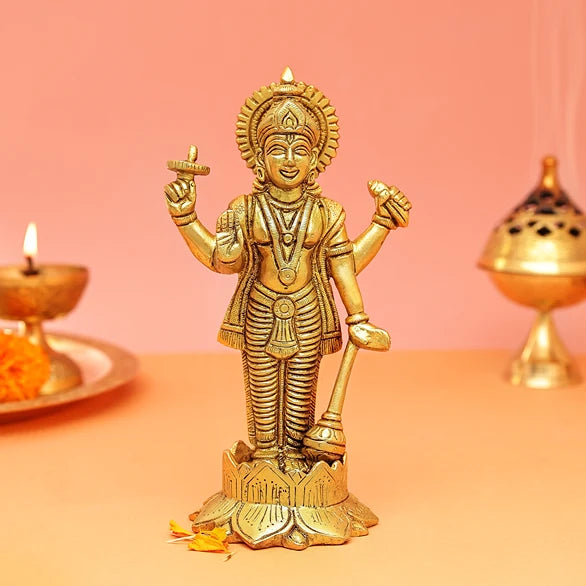
The Satyanarayan Puja vidhi is one of the most beloved and widely performed worships in Hindu households, dedicated to Lord Satyanarayan, a benevolent form of Lord Vishnu. Families perform this puja to express gratitude, seek blessings for prosperity, and mark auspicious occasions such as housewarmings, weddings, birthdays and new beginnings. This guide walks you through the complete steps, the samagri you need, the significance of the katha and how to prepare the sacred prasad.
The Divine Hindu App is here.
Chat free with top astrologers for your first 5 minutes every week, generate your Kundli, book temple Puja & Chadhava, and check today's Panchang — all in one app.
The Significance of Satyanarayan Puja
Satya means truth and Narayan is the Lord who sustains the universe, so Satyanarayan is worshipped as the embodiment of truth. The puja teaches that sincere devotion, honesty and gratitude invite divine grace into our lives. It can be performed on any day, though Purnima (full moon), Ekadashi and Sankranti are considered especially auspicious. There is no strict requirement of an elaborate muhurat, but many families consult a panchang to choose a suitable date and time; please confirm the exact muhurat with a local panchang or pandit.
Satyanarayan Puja Samagri List
Arrange the following samagri before beginning so the puja flows smoothly. Keep everything ready on a clean pooja thali.
| Category | Items |
|---|---|
| Deity & setup | Idol or picture of Lord Satyanarayan, chowki, red cloth, kalash |
| Lamps & incense | Diya, ghee, cotton wicks, agarbatti, dhoop, camphor |
| Offerings | Roli, kumkum, haldi, akshat, betel leaves & nuts, coconut, banana |
| Flowers | Fresh flowers, tulsi leaves, garland, durva |
| Prasad (sapatha) | Wheat flour (rava/atta), sugar, ghee, banana, milk, dry fruits |
| Panchamrit | Milk, curd, honey, ghee, sugar |
| Other | Ganga jal, mango leaves, sacred thread (kalava), honey |
Satyanarayan Puja Vidhi: Step-by-Step
Step 1: Preparation and Sankalp
Clean the puja area and take a bath. Place a chowki with a red cloth, set the idol or picture of Lord Satyanarayan on it, and establish a kalash. Sit facing east, take water in your right hand and make the sankalp, stating your name and the purpose of the puja.
Step 2: Ganesh and Navagraha Puja
Every auspicious ritual begins with Lord Ganesha to remove obstacles. Worship Ganesha first, then invoke the Navagraha (nine planets) and offer them akshat, flowers and prayers for auspiciousness.
Step 3: Kalash Sthapana and Invocation
Establish the kalash with water, mango leaves and a coconut, then invoke Lord Satyanarayan into the idol with devotion. Offer panchamrit, water, flowers, tulsi, roli and akshat as the sixteen upacharas (shodashopachar).
Step 4: Recitation of the Katha
The heart of the puja is the recitation of the Satyanarayan Katha, told in five chapters (adhyayas). All family members should sit together and listen attentively. The katha narrates how devotion to Satyanarayan brought blessings to a poor Brahmin, a woodcutter, a merchant and a king, and how neglecting the vow led to hardship.
Step 5: Aarti and Naivedya
After the katha, offer the naivedya (sheera/prasad) and perform aarti with camphor while singing Om Jai Lakshmi Ramana. Ring the bell and let the fragrance of devotion fill the home.
Step 6: Prasad Distribution
Distribute the sacred prasad and panchamrit to everyone present. It is customary to share prasad with neighbours and guests, as receiving it is considered highly auspicious.
How to Make Satyanarayan Prasad (Sheera)
The traditional prasad is a semolina halwa called sheera or sapatha. Roast equal measures of rava (semolina), sugar and ghee, add mashed banana, warm milk, cardamom and dry fruits, and cook until it thickens into a fragrant, glossy sweet. Prepare it with a calm, devotional mind, as prasad prepared with love is believed to carry the deity's blessings.
Tips for a Smooth Satyanarayan Puja
Keep all samagri ready in advance, ensure the katha book is at hand, and involve the whole family so everyone shares in the devotion. If you are new to elaborate rituals, review our daily pooja essentials guide to understand each item. If you cannot arrange a pandit, you can also book a pandit-performed pooja online from home.
Frequently Asked Questions
On which day should Satyanarayan Puja be performed?
It can be performed on any day, but Purnima, Ekadashi and Sankranti are considered especially auspicious. Confirm a suitable muhurat with a local panchang or pandit.
Can Satyanarayan Puja be done without a pandit?
Yes, families can perform it themselves with a katha book and sincere devotion. Many still invite a pandit for the correct chanting of mantras, or book an online pooja seva.
How long does the Satyanarayan Puja take?
The complete puja, including the katha and aarti, usually takes between one and a half to two hours depending on the detail followed.
What is the prasad for Satyanarayan Puja?
The traditional prasad is sheera, a sweet semolina halwa made with rava, sugar, ghee, banana and milk, along with panchamrit.
Why is the katha important in this puja?
The katha is the essence of the worship. Listening to its five chapters reinforces the values of truth, gratitude and keeping one's vows, which are the core teachings of Satyanarayan.
Complete your Satyanarayan Puja with a beautiful, traditional setup. Browse our elegant Pooja Thali collection to arrange your offerings with grace and devotion.


