 Cow Shelter/Donation

Spiritual Significance of Kumbh Mela: Meaning & Benefits
October 21, 2024
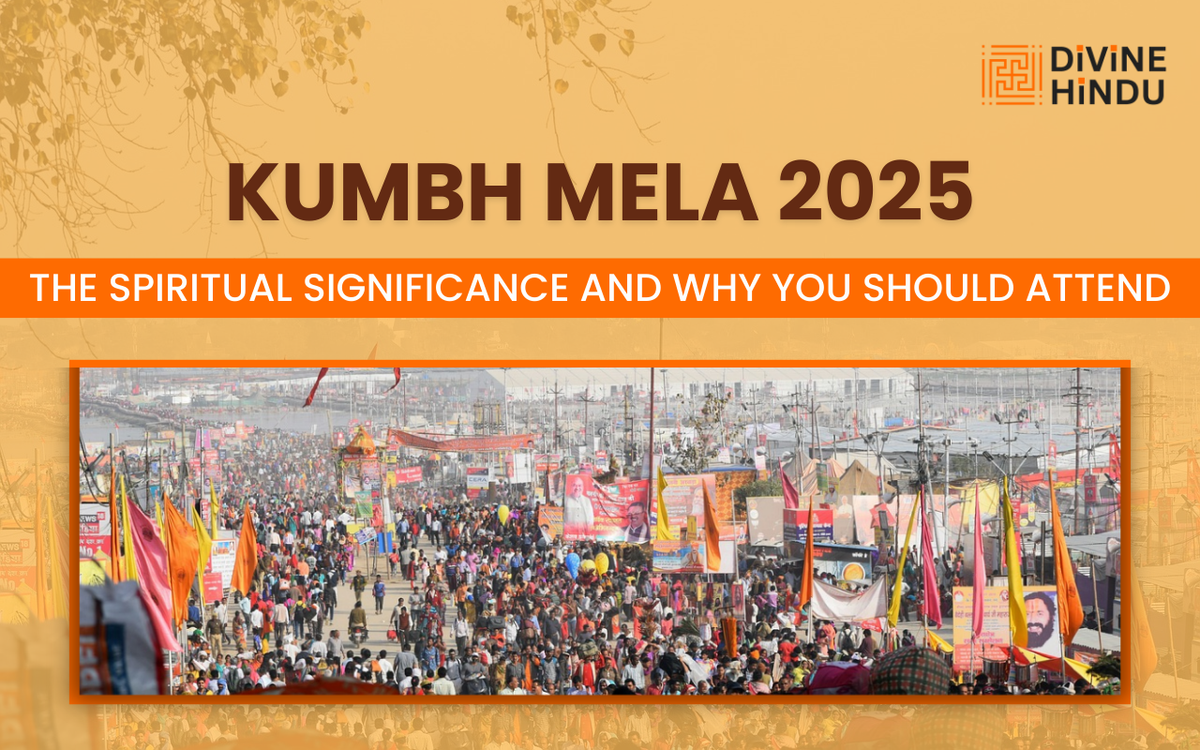
The spiritual significance of Kumbh Mela makes it far more than the largest human gathering on Earth - it is one of the most profound spiritual events in the world, drawing millions of devotees, saints, and seekers. Held across the sacred sites of India, the Kumbh Mela is an opportunity to connect with one's spiritual essence, cleanse the soul, and take part in a tradition followed for millennia. This guide explores the deep spiritual meaning of Kumbh Mela and why it remains a transformative experience.
The Divine Hindu App is here.
Chat free with top astrologers for your first 5 minutes every week, generate your Kundli, book temple Puja & Chadhava, and check today's Panchang — all in one app.
What is Kumbh Mela?
Kumbh Mela is a Hindu pilgrimage celebrated in a rotating cycle among four sacred locations - Prayagraj (Allahabad), Haridwar, Ujjain, and Nashik. At Prayagraj, the sacred rivers Ganga, Yamuna, and the mystical Saraswati meet at the Sangam. The festival marks the coming together of millions of devotees for the ritual bath, which is believed to wash away sins and bring spiritual liberation, or moksha.
The essence of Kumbh Mela lies in the belief that during certain astrological alignments, the waters of the holy rivers become charged with divine energy. Bathing in these waters during the Kumbh Mela is said to cleanse one's sins and lead to spiritual enlightenment.
The Mythological Significance of Kumbh Mela
The origin of Kumbh Mela is rooted in ancient Hindu mythology. The story comes from the churning of the ocean - Samudra Manthan - by the gods and demons in search of the elixir of immortality. During this cosmic event, drops of the elixir, or Amrit, fell at four locations: Prayagraj, Haridwar, Nashik, and Ujjain. These drops blessed these places with divine power, which is why they are considered the holiest spots for Kumbh Mela.
The act of bathing in the rivers at these locations is believed to wash away past sins, purify the soul, and break the cycle of rebirth, guiding devotees toward moksha. For many Hindus, this pilgrimage is a once-in-a-lifetime spiritual experience.
Why Prayagraj is Sacred
Prayagraj is considered the most significant of all the Kumbh Mela sites due to the convergence of three sacred rivers at the Triveni Sangam - the Ganga, Yamuna, and the mystical Saraswati. This confluence is regarded as the point of highest spiritual energy, where the waters are believed to be most potent for spiritual purification.
The Sangam is not only a physical meeting of rivers but also a symbol of the merging of body, mind, and spirit. The Ganga symbolises knowledge, the Yamuna represents devotion, and Saraswati signifies purity. This unique triad makes Prayagraj the ultimate destination for those seeking spiritual growth.
Types of Kumbh Mela and How Often It Occurs
The Kumbh Mela follows a cycle based on the positions of the Sun, Moon, and Jupiter. The Purna (Maha) Kumbh at Prayagraj occurs roughly every 12 years, while an Ardh Kumbh is held around every 6 years. Haridwar, Ujjain, and Nashik host their own Kumbh Melas at their respective astrological times. The most recent Maha Kumbh was held at Prayagraj from 13 January to 26 February 2025, and is remembered as one of the largest spiritual gatherings in recorded history.
Key Bathing Days (Shahi Snan)
Every Kumbh Mela is structured around a series of auspicious bathing days, known as Shahi Snan (Royal Bath), which are determined by celestial alignments believed to enhance the spiritual power of the ritual dip.
- Makar Sankranti: Often the first Shahi Snan, when ascetics and saints from the various Akharas (monastic orders) lead the procession to the river.
- Mauni Amavasya: Traditionally the most significant bathing day, observed in silence and deep devotion.
- Maha Shivratri: Frequently marks the culmination of the Kumbh Mela, a night dedicated to Lord Shiva, when devotees fast, meditate, and immerse themselves in the divine energy of the festival.
Spiritual Benefits of Attending Kumbh Mela
- Cleansing of Sins: Taking a dip in the holy waters at the Sangam is believed to purify the soul and offer a fresh start on one's spiritual journey.
- Attaining Moksha: The spiritual practices at Kumbh Mela are believed to help individuals break free from the cycle of birth and rebirth and move toward moksha, or liberation.
- Spiritual Awakening: Attending the discourses of saints, sadhus, and gurus and witnessing their practices can lead to deep personal insight and growth.
- Satsang and Devotion: Participating in bhajans, kirtans, and satsangs allows devotees to feel connected to the divine and experience a heightened state of consciousness.
- Strengthening of Faith: The festival reaffirms one's spiritual beliefs and commitment to a life of righteousness and devotion.
How to Spiritually Prepare for Kumbh Mela
- Meditation and Fasting: In the weeks leading up to the pilgrimage, engage in regular meditation and fasting to purify the mind and body.
- Spiritual Tools: Use tools like Rudraksha malas, spiritual bracelets, and meditation beads to deepen your practice.
- Connect with Saints and Gurus: Seek guidance from spiritual leaders to prepare mentally and emotionally for the pilgrimage.
Frequently Asked Questions
Why is bathing at the Kumbh Mela considered so sacred?
According to Hindu belief, the waters of the sacred rivers become charged with divine energy during the Kumbh's astrological alignments, so the ritual dip is said to cleanse sins and support the path to moksha.
When will the next Kumbh Mela take place?
Kumbh Melas rotate among Prayagraj, Haridwar, Ujjain, and Nashik according to specific planetary positions. The next Purna Kumbh at Prayagraj follows the traditional 12-year cycle after the 2025 Maha Kumbh; for exact dates of each site, always refer to an authentic panchang.
Conclusion
Kumbh Mela is a connection to one of the world's oldest and most profound spiritual traditions. Whether you seek to cleanse your soul, work toward moksha, or simply deepen your spiritual self, the festival offers transformative potential. If you wish to carry that energy with you, equip yourself with spiritual tools like Rudraksha jewellery from Divine Hindu, designed to protect and empower you on your sacred journey.


