 Cow Shelter/Donation

Tulsi Plant at Home: Vastu, Direction & Care
July 18, 2026
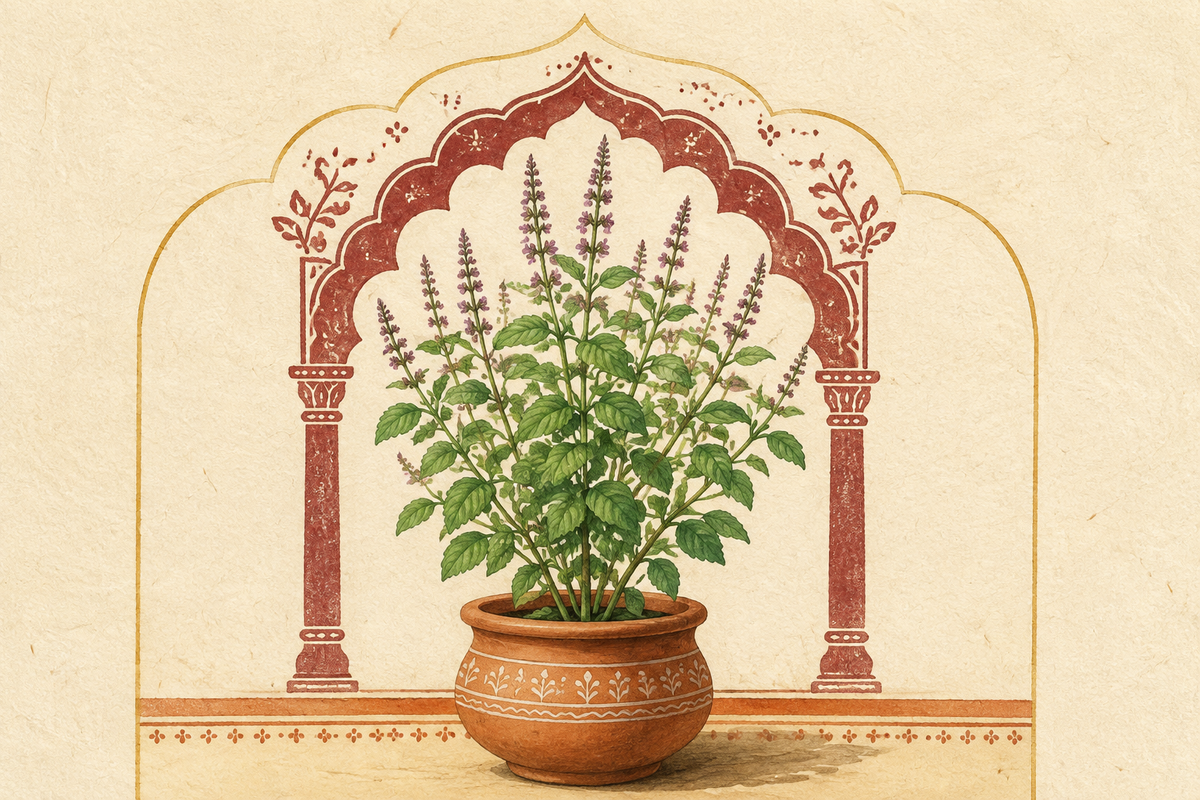
Tulsi plant vastu explains how to place and care for the sacred tulsi (holy basil) so it brings purity, health and positive energy into your home. Revered as a form of Goddess Lakshmi and deeply loved across Indian households, tulsi is both a spiritual and medicinal plant. This guide covers the best direction, placement rules, care tips and the significance of tulsi as per Vastu tradition.
The Divine Hindu App is here.
Chat free with top astrologers for your first 5 minutes every week, generate your Kundli, book temple Puja & Chadhava, and check today's Panchang — all in one app.
Best Direction for Tulsi Plant as per Vastu
The most auspicious direction to place a tulsi plant is the north, north-east or east of the home. The north-east (Ishaan) corner is especially favoured, as it is considered the sacred zone of divinity and clarity. Placing tulsi here is believed to attract positive energy and blessings. Tulsi should be kept in an open, sunlit spot such as a balcony, courtyard or near a window that receives morning light.
Vastu tradition advises against placing tulsi in the south direction, and it should never be kept in a dark, dirty or cramped corner.
Tulsi Placement at a Glance
| Direction | Vastu Belief | Suitability |
|---|---|---|
| North-East | Sacred, divine zone; purity and positivity | Best |
| North | Prosperity and blessings | Very Good |
| East | Morning sun, vitality | Good |
| South | Traditionally discouraged | Avoid |
Tulsi Vastu: Dos and Don'ts
- Do keep the tulsi in an odd number — one, three or five plants is considered auspicious.
- Do water it every morning and offer prayers, especially lighting a diya in the evening.
- Do keep the area around tulsi clean and sacred.
- Don't place tulsi on the ground directly; a raised platform or tulsi vrindavan is preferred.
- Don't keep thorny plants, dustbins or shoes near the tulsi.
- Don't let the plant dry out — a withering tulsi is traditionally seen as inauspicious, so tend to it with care.
Caring for Your Tulsi Plant
Tulsi thrives in warm, sunny conditions with at least five to six hours of light. Water it regularly but avoid waterlogging, pinch off the flowering tops to keep it bushy, and use well-draining soil. Healthy, fragrant leaves are believed to reflect the positive energy of the home.
Spiritual Significance of Tulsi
Tulsi is one of the most sacred plants in Hinduism, associated with devotion, purity and protection. Its leaves are used in worship, and its wood is traditionally fashioned into a tulsi mala for japa and meditation. Discover the spiritual significance of the tulsi mala in Hinduism and read our complete tulsi mala guide to deepen your practice.
Frequently Asked Questions
Which direction is best for a tulsi plant as per Vastu?
The north, north-east or east is best, with the north-east (Ishaan) corner considered the most auspicious.
Can we keep tulsi inside the house?
Yes, tulsi can be kept indoors near a north or east-facing window that receives ample morning sunlight.
How many tulsi plants should we keep at home?
An odd number — one, three or five plants — is traditionally considered auspicious.
Which direction should tulsi not be placed?
The south direction and dark, unclean corners are traditionally avoided for the tulsi plant.
What if my tulsi plant dries up?
A drying tulsi is seen as inauspicious in tradition; replant a fresh, healthy tulsi and continue regular care and prayers.
Disclaimer: Vastu and spiritual tips are based on traditional beliefs and are shared for cultural interest; they do not guarantee any specific outcome.
Deepen your devotion. Explore the Divine Hindu Karungali collection for sacred malas and spiritual essentials to complement your tulsi worship.


