 Cow Shelter / Donation

Rudraksha for Mahashivratri: The Focus Aura Edit
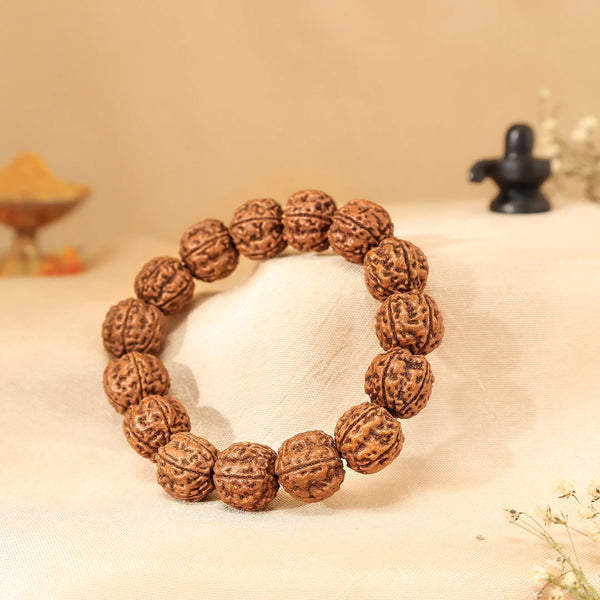
Rudraksha for Mahashivratri is gathered here in the Focus Aura edit. It brings together single mukhi beads, 1–14 Mukhi malas, 54-bead necklaces, capped malas and Rudraksha combined with Karungali, for japa or for wearing.
 Gold Plated



About Rudraksha Collection - Focus Aura
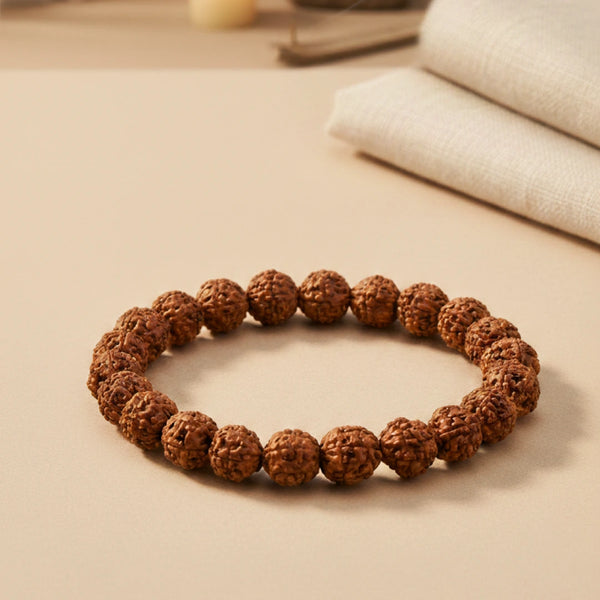
The Focus Aura edit brings Rudraksha into a Mahashivratri collection through 54-bead necklaces, capped malas, individual mukhi varieties and Karungali combinations.
For chanting, choose a product with the count and construction you need; for wearing, compare the length and pendant. A 1 Mukhi pendant, a 1–14 Mukhi combination and a 54-bead necklace describe different arrangements. Read the full listing before selecting one for your practice.
Explore Rudraksha beyond this seasonal edit.
- Festival
- Mahashivratri
- Deity
- Lord Shiva
- Formats
- Single mukhi beads, 54-bead necklaces, 108-bead and 1–14 Mukhi malas
- Combined with
- Karungali, silver or golden caps, Shiv Trishul and Nandi pendants
- Collection size
- 37 products
What is Rudraksha, and why at Mahashivratri?
Rudraksha is the dried seed of the Rudraksha tree. Its name joins Rudra, a name of Lord Shiva, with aksha, often read as eye. In Hindu tradition the bead is closely linked with Shiva.
On Mahashivratri, many devotees keep a fast, stay awake through the night and chant Om Namah Shivaya. Some begin wearing a new Rudraksha or start japa on a new mala on this day.
Single mukhi beads in this edit
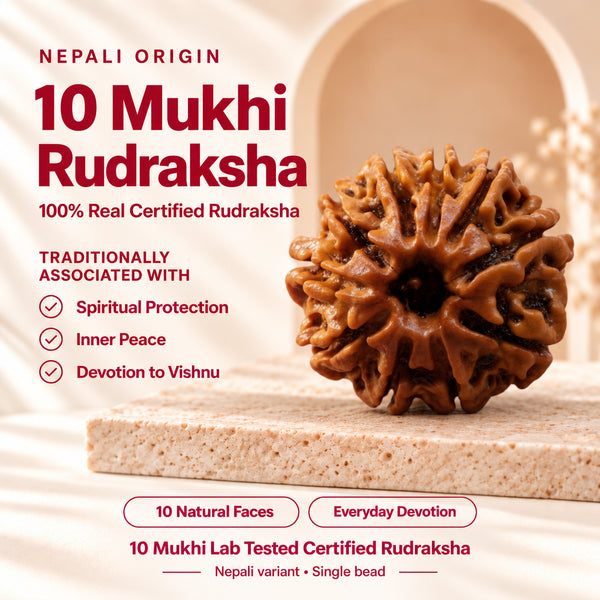
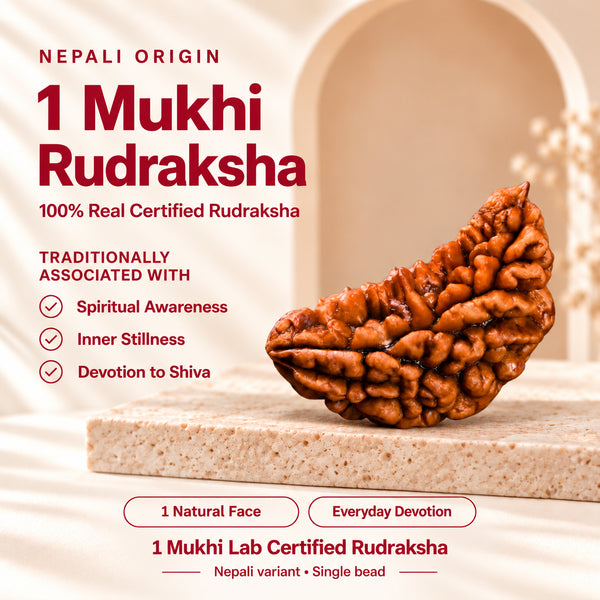
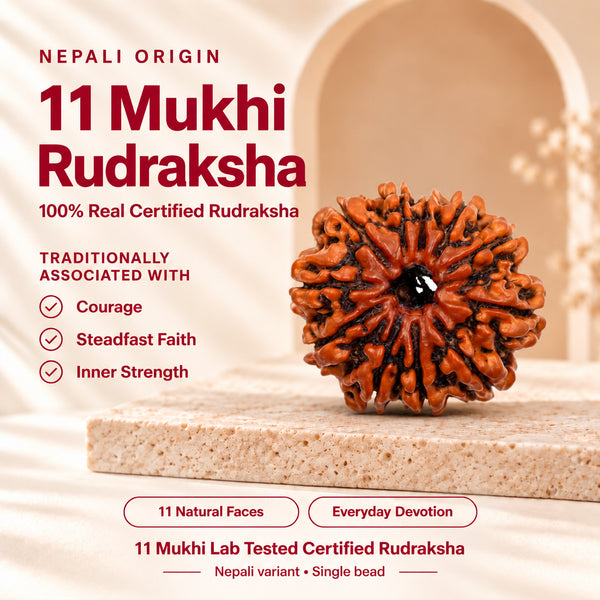
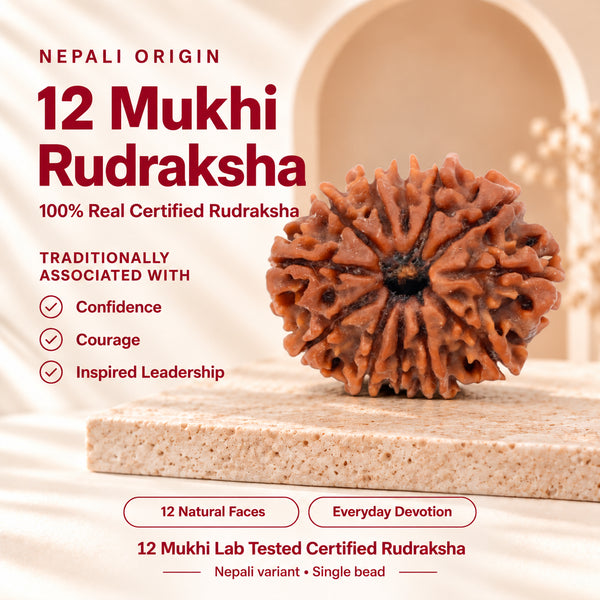
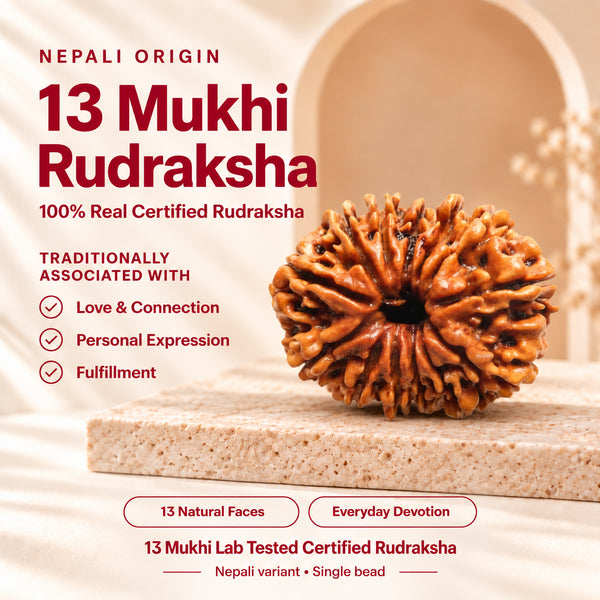
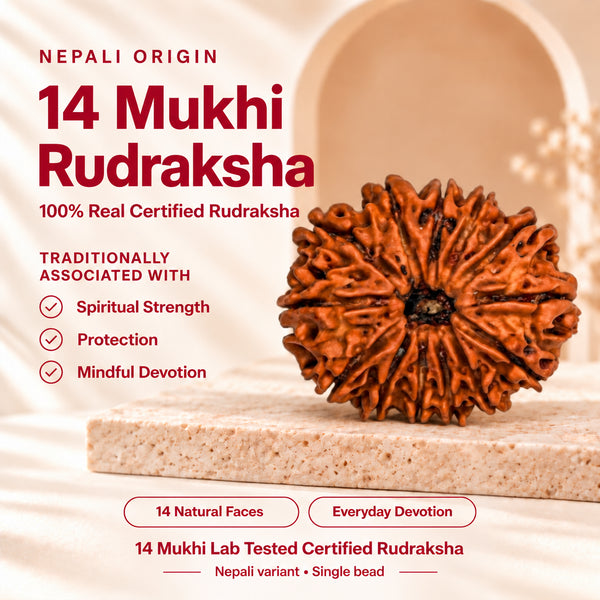
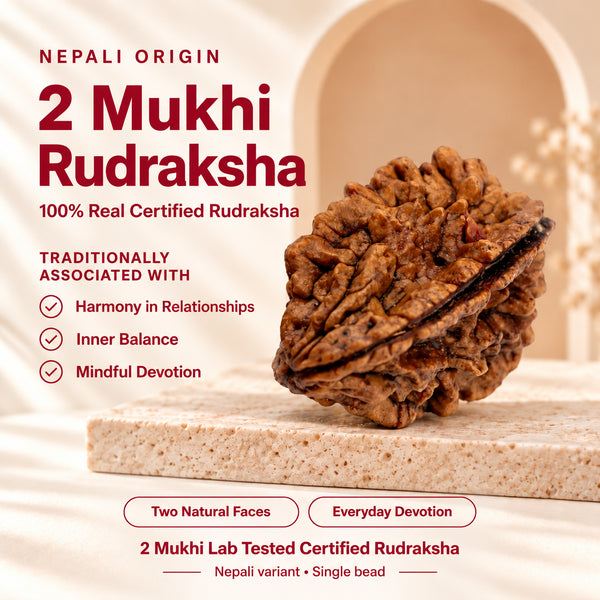
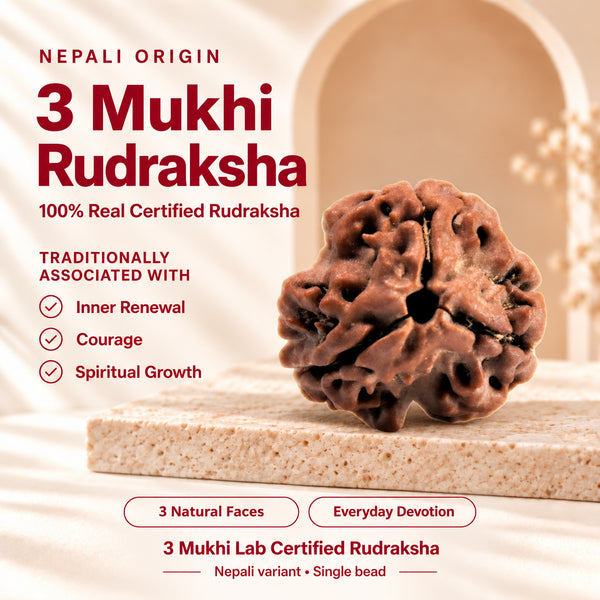
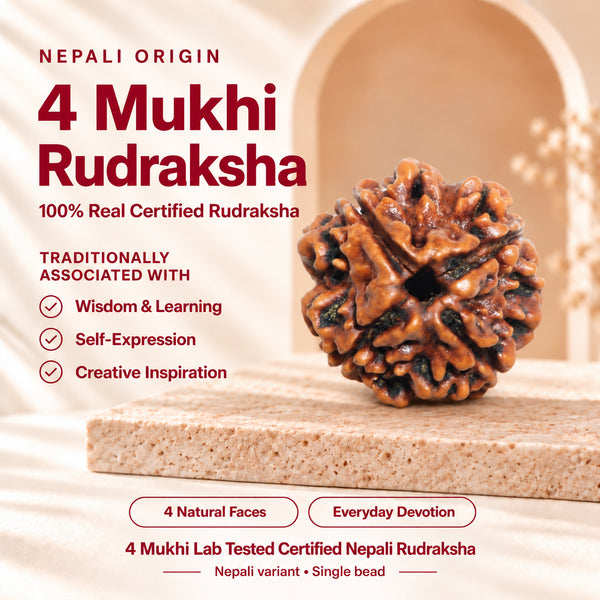
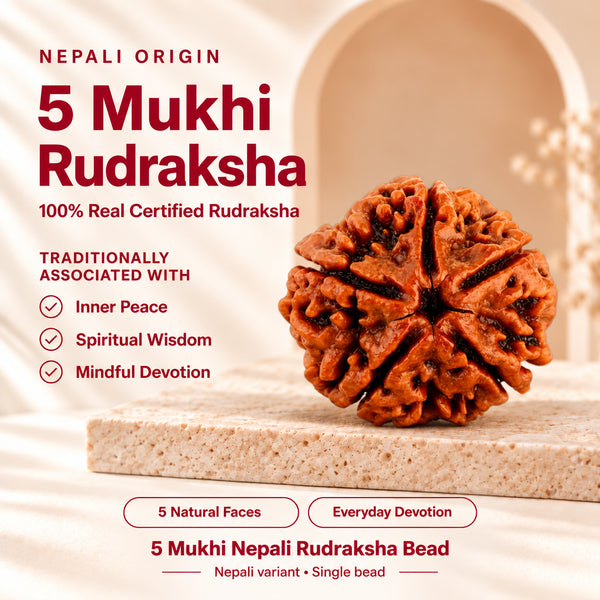
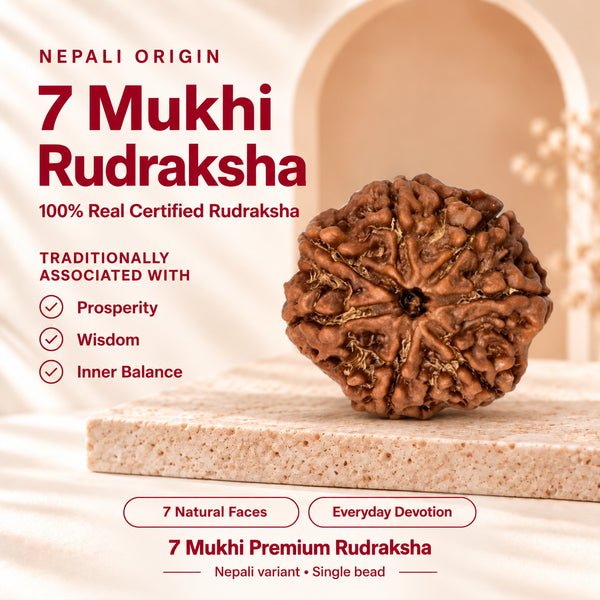
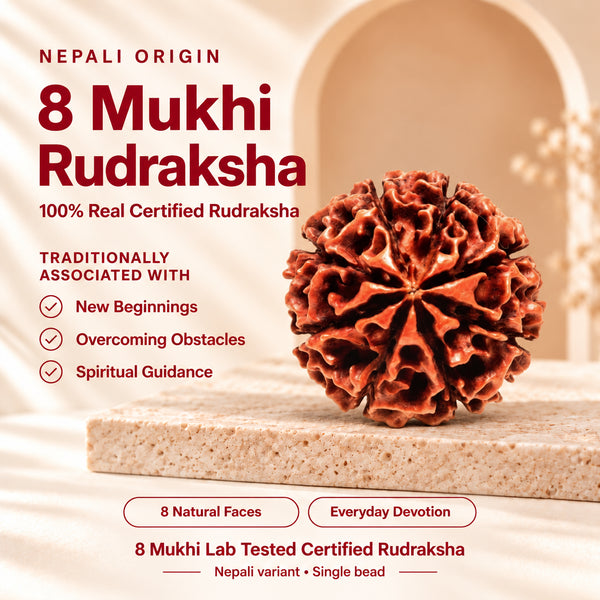
Single beads range from the 1 Mukhi Lab Certified Rudraksha to the 14 Mukhi Lab Tested Certified Rudraksha. Others include the 5 Mukhi Nepali Rudraksha Bead, the 7 Mukhi Premium Rudraksha and the 9 Mukhi and 11 Mukhi beads.
Mukhi means the natural faces on a bead. The mukhi count is different from the number of beads in a mala. Check the certification and origin stated on each listing.
Necklaces, malas and Karungali combinations
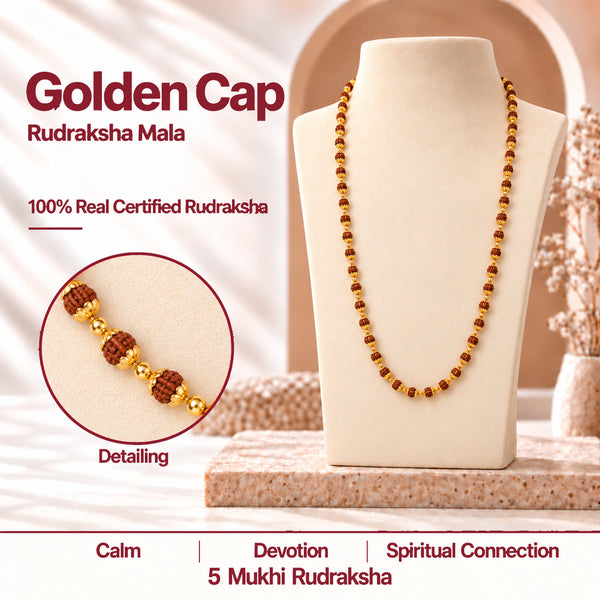
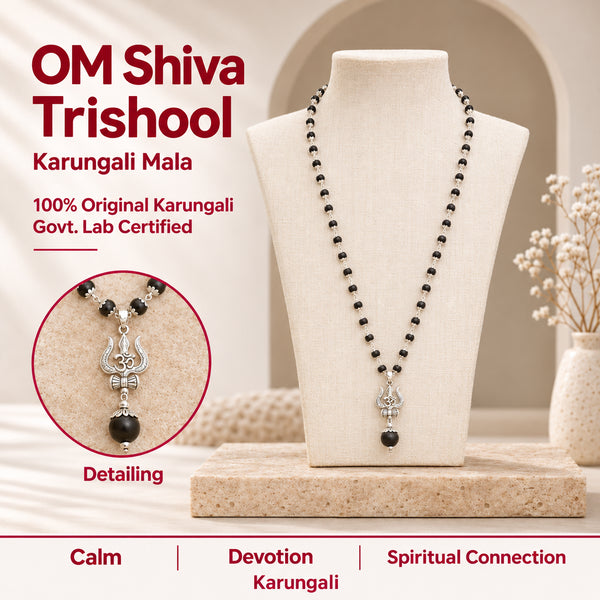
- 54-bead designs, such as the OM Shiva Trishool Rudraksha Necklace and the Rudraksha Mala with Golden Cap.
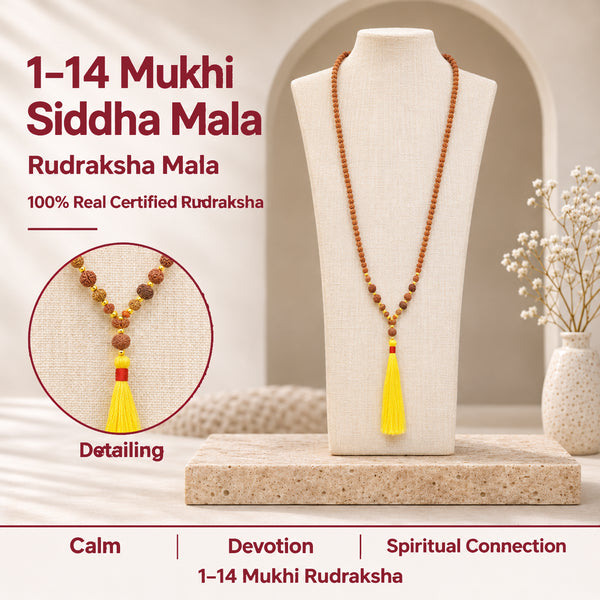
- 1–14 Mukhi malas, such as the 1–14 Mukhi Rudraksha Siddha Mala, listed as Nepal origin with Ganesh Mukhi and Gaurishankar.
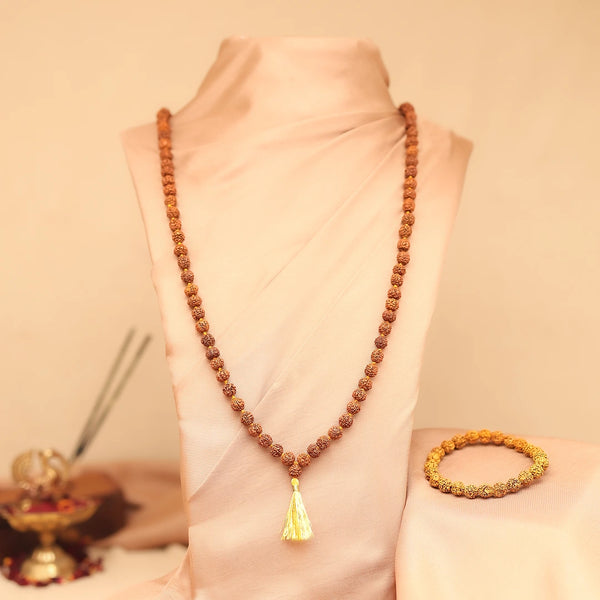
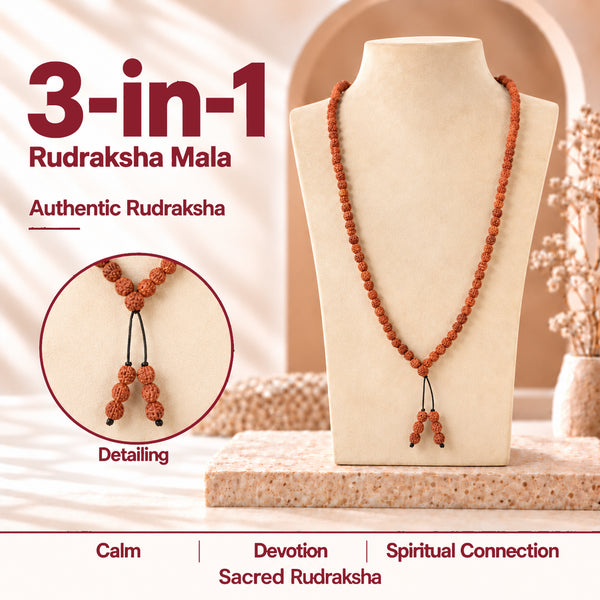
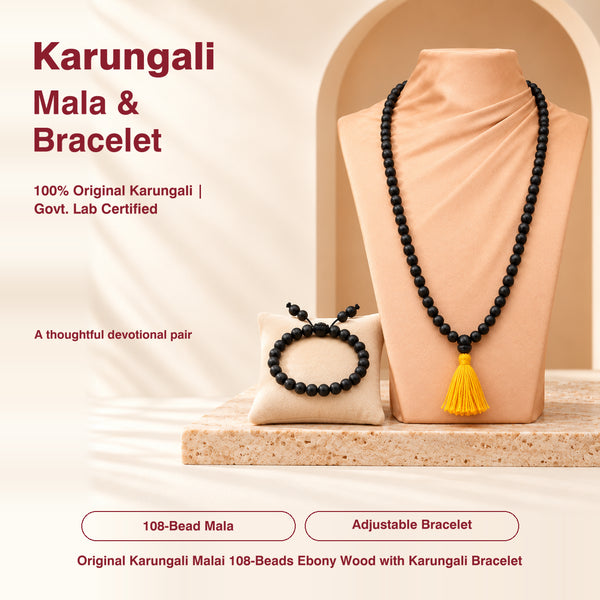
- 108-bead malas, including the 3-in-1 Rudraksha Stretchable Mala and a 5 Mukhi mala and bracelet combo.
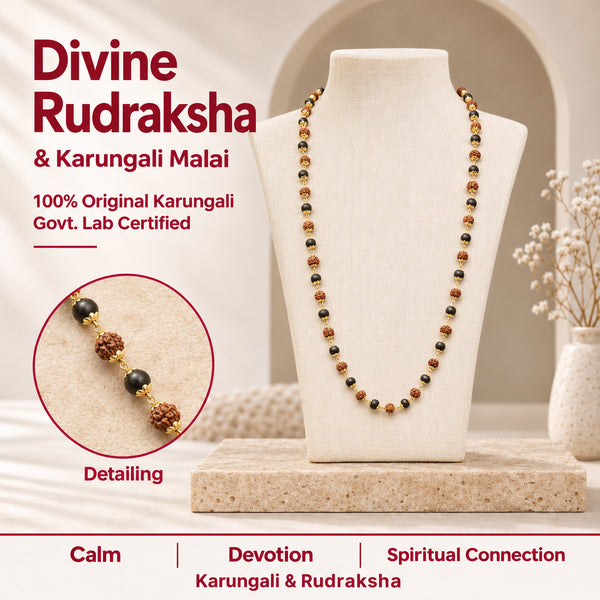
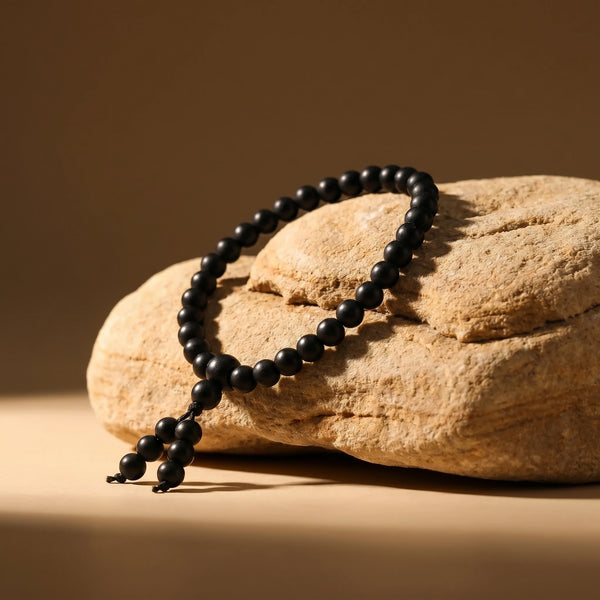
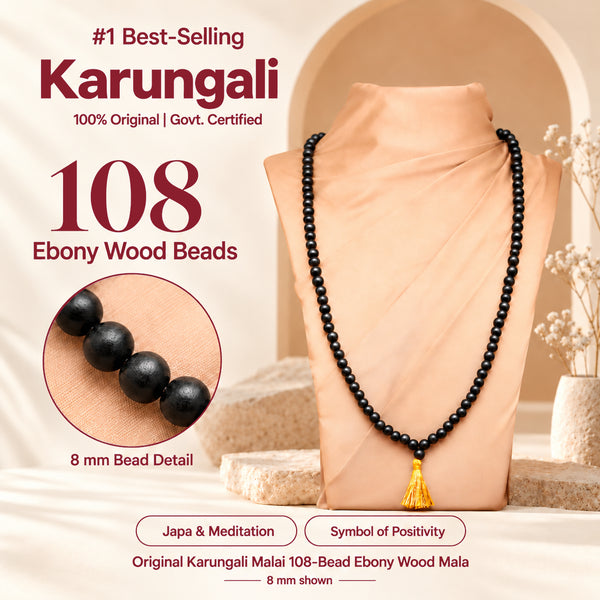
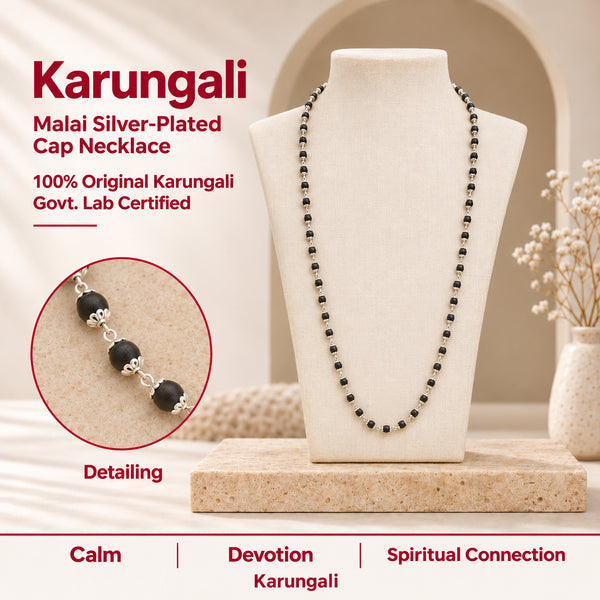
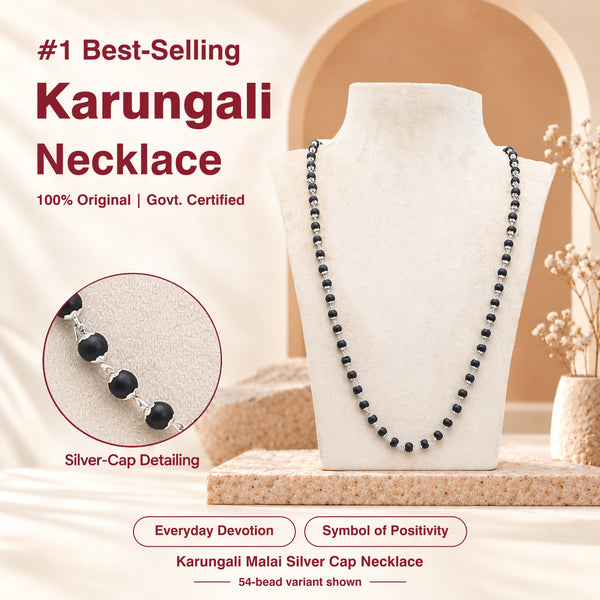
- Karungali pairings, such as the Divine Rudraksha and Karungali Malai and a silver-cap malai with Shiv Trishul and Nandi pendant.
Choosing Rudraksha for japa or for wearing
For japa, a 108-bead mala is the usual count for one round of a mantra. Check the bead count and how the strand is made, as stated on the listing.
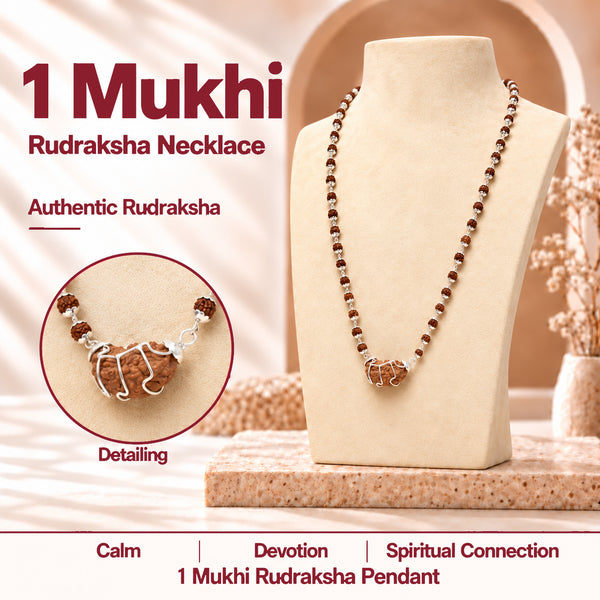
For daily wear, compare the length, the cap finish and the pendant. A single bead in a silver cap, such as the 1 Mukhi Rudraksha Pendant, sits differently from a 54-bead necklace. Keep Rudraksha away from soap and perfume, and wipe it with a soft, dry cloth.
Frequently asked questions
Can women wear Rudraksha?
What are the Rudraksha benefits in tradition?
How do I know if a Rudraksha is real or original?
Is there a Rudraksha price list for each mukhi?
Is there a Rudraksha mantra for Mahashivratri?
Where can I find more Rudraksha beyond this edit?
Related pages
- Karungali for Mahashivratri: Malas, Bracelets and Trishul Designs
- Shiv Statue, Murti and Shivling for Mahashivratri
- Mahashivratri Combo Sets: Rudraksha and Karungali Jewellery
- Rashi Stone Bracelets: Stone and Zodiac Designs, Cosmic Aura
- Rudraksha: Mukhi Beads, Malas, Pendants and Kavach
- Single Rudraksha Bead by Mukhi, Origin and Size
- Rudraksha Chain and Necklace Designs for Men and Women
- Rudraksha Mala, Beads, Necklaces and Bracelets
Updated on 20 October 2026

Top picks for you
 6mm
 8mm
 Small 7*7 inch


