 Cow Shelter/Donation

Ekadashi 2026 List: All Ekadashi Dates & Fasting Guide
July 18, 2026
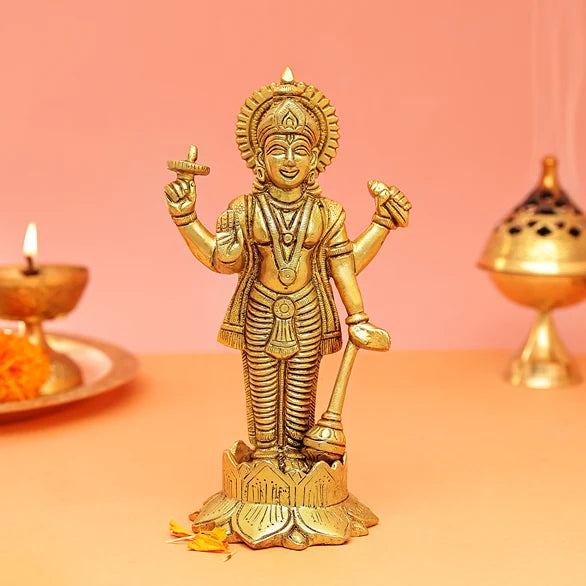
The complete Ekadashi 2026 list is an essential reference for every devotee of Lord Vishnu who observes the sacred Ekadashi vrat. Ekadashi, the eleventh tithi of each lunar fortnight, occurs twice a month — once in the Shukla Paksha (waxing moon) and once in the Krishna Paksha (waning moon). Because 2026 contains an Adhik Maas (Adhik Jyeshtha, an extra lunar month), the year features additional Ekadashi vrats. Below is the full-year Ekadashi 2026 calendar with dates, names and tithis.
The Divine Hindu App is here.
Chat free with top astrologers for your first 5 minutes every week, generate your Kundli, book temple Puja & Chadhava, and check today's Panchang — all in one app.
Ekadashi 2026 List — Full-Year Calendar
Here is the complete Ekadashi 2026 list of all vrat dates. Many households keep an Ekadashi calendar in the mandir and mark each fast off as the year turns; the Ekadashi chart below runs in order from Magha through Margashirsha, so the next one is easy to find at a glance. Because tithi timings shift daily and vary by location, please confirm the exact vrat and parana (fast-breaking) muhurat with a current panchang for your city.
| Ekadashi Name | Paksha | Date 2026 |
|---|---|---|
| Shat Tila Ekadashi | Krishna (Magha) | 14 January 2026 |
| Jaya Ekadashi | Shukla (Magha) | 29 January 2026 |
| Vijaya Ekadashi | Krishna (Phalguna) | 13 February 2026 |
| Amalaki Ekadashi | Shukla (Phalguna) | 27 February 2026 |
| Papmochani Ekadashi | Krishna (Chaitra) | 15 March 2026 |
| Kamada Ekadashi | Shukla (Chaitra) | 29 March 2026 |
| Varuthini Ekadashi | Krishna (Vaishakha) | 13 April 2026 |
| Mohini Ekadashi | Shukla (Vaishakha) | 27 April 2026 |
| Apara Ekadashi | Krishna (Jyeshtha) | 13 May 2026 |
| Padmini (Kamala) Ekadashi | Shukla (Adhik Jyeshtha) | 27 May 2026 |
| Parama Ekadashi | Krishna (Adhik Jyeshtha) | 11 June 2026 |
| Nirjala Ekadashi | Shukla (Jyeshtha) | 25 June 2026 |
| Yogini Ekadashi | Krishna (Ashadha) | 10 July 2026 |
| Devshayani (Shayani) Ekadashi | Shukla (Ashadha) | 25 July 2026 |
| Kamika Ekadashi | Krishna (Shravana) | 9 August 2026 |
| Shravana Putrada Ekadashi | Shukla (Shravana) | 23 August 2026 |
| Aja Ekadashi | Krishna (Bhadrapada) | 7 September 2026 |
| Parsva (Parivartini) Ekadashi | Shukla (Bhadrapada) | 22 September 2026 |
| Indira Ekadashi | Krishna (Ashwin) | 6 October 2026 |
| Papankusha Ekadashi | Shukla (Ashwin) | 22 October 2026 |
| Rama Ekadashi | Krishna (Kartik) | 5 November 2026 |
| Devutthana (Prabodhini) Ekadashi | Shukla (Kartik) | 20 November 2026 |
| Utpanna Ekadashi | Krishna (Margashirsha) | 4 December 2026 |
| Mokshada Ekadashi | Shukla (Margashirsha) | 20 December 2026 |
The vrat goes by different names in different languages. Gujarati families call it Agiyaras — literally “the eleventh” — and the Vaishnava and South Indian traditions usually write it Ekadasi, without the second h; the tithi and the fast are the same either way. Some regions and the Vaishnava (ISKCON) tradition may observe certain Ekadashis a day later; always cross-check with an updated panchang.
Significance of the Ekadashi Vrat
Every entry in the Ekadashi 2026 list is dedicated to Lord Vishnu. Observing the Ekadashi fast is believed to cleanse the mind and body, burn away past karmas, and grant spiritual merit, health and eventual moksha (liberation). The most revered vratas of the year include Nirjala Ekadashi (the waterless fast on 25 June, considered the most meritorious), Devshayani Ekadashi (when Lord Vishnu enters cosmic sleep, beginning Chaturmas), Devutthana Ekadashi (when he awakens), and Mokshada Ekadashi (associated with the Bhagavad Gita and Vaikuntha Ekadashi).
For a deeper look at the most powerful fast of the year, read our detailed guide on Nirjala Ekadashi rituals and spiritual significance.
Ekadashi Vrat Vidhi
| Step | Ritual |
|---|---|
| 1 | Begin preparations from Dashami (the tenth day) with a satvik meal; avoid grains and rice |
| 2 | On Ekadashi, bathe early and take a sankalp to observe the fast |
| 3 | Worship Lord Vishnu with tulsi leaves, flowers, a diya and dhoop |
| 4 | Recite Vishnu Sahasranama or the Ekadashi vrat katha and chant “Om Namo Bhagavate Vasudevaya” |
| 5 | Observe the fast (nirjala, phalahar or satvik) as per your capacity and stay awake in devotion |
| 6 | Break the fast the next morning (Dwadashi) during the parana muhurat |
Keep a clean pooja thali ready for your daily Vishnu worship. To plan all festivals and vratas alongside Ekadashi, refer to our Hindu festival calendar.
Ekadashi Fasting Rules: What to Eat and What to Avoid
The single rule that defines the Ekadashi vrat is the avoidance of grains. Everything else — whether you take fruit, milk, water or nothing at all — is decided by your capacity and your family tradition. This is the food list most households follow.
| Traditionally taken | Traditionally avoided |
|---|---|
| Fresh and dried fruit, coconut | Rice, wheat, and all grains and flours made from them |
| Milk, curd, buttermilk, paneer | All dals and pulses, especially masoor and chana |
| Sabudana, singhara atta, kuttu atta, rajgira | Onion, garlic and any tamasik food |
| Potato, sweet potato, arbi, pumpkin, lauki | Regular table salt in a strict vrat |
| Sendha namak (rock salt), ghee, jaggery, black pepper | Alcohol, tobacco, non-vegetarian food |
| Dry fruits, makhana, milk-based sweets | Brinjal and, in many families, other nightshades |
Tulsi is offered to Lord Vishnu but is traditionally not plucked on Ekadashi itself — leaves are picked the previous evening. Many devotees also keep a tulsi mala for the day's japa.
Nirjala, Phalahar or Satvik: Which Fast to Keep
Ekadashi is not one fast but three, in descending order of austerity. Choose according to your health and your daily routine, not according to what someone else keeps.
| Type | What it involves | Usually kept by |
|---|---|---|
| Nirjala | No food and no water from sunrise on Ekadashi until the parana on Dwadashi | Experienced fasters, and by many households once a year on Nirjala Ekadashi |
| Phalahar | Water, fruit, milk and vrat-friendly flours; no grains, no pulses | The most widely followed form, and the usual starting point |
| Satvik / one meal | A single satvik meal without grains, onion or garlic | Working devotees, older people and those easing into the vrat |
Fasting is a personal discipline, not a competition. If you are pregnant, unwell, recovering from illness or on regular medication, please speak to your doctor before undertaking any fast — particularly a nirjala one.
What Breaks an Ekadashi Fast
Devotees usually watch for these, since they are the most common slips:
- Any grain, knowingly or unknowingly. This includes rice, wheat, semolina, besan and packaged foods that contain wheat flour or corn starch.
- Water, in a nirjala vrat only. In phalahar and satvik fasts, water is freely taken.
- Regular salt in a strict vrat, where only sendha namak is used.
- Eating before the parana muhurat on Dwadashi, which is traditionally said to leave the vrat incomplete.
- Sleeping through the day is discouraged by tradition, which asks for jagran, japa and katha instead — though it does not break the fast.
Prescribed medicines are a separate matter from ritual food rules. Tradition allows for necessity, and no vrat asks you to risk your health.
Parana: When and How to Break the Ekadashi Fast
Parana is the act of breaking the fast, and it is as much a part of the vrat as the fast itself. The rules traditionally followed are:
- Parana is done on Dwadashi, the day after Ekadashi, after sunrise — never on Ekadashi itself.
- It must be completed before Dwadashi tithi ends. Delaying past it is traditionally considered an offence.
- The first quarter of Dwadashi, called Hari Vasara, is traditionally avoided; devotees wait for it to pass before eating.
- The fast is usually broken with tulsi-touched water or prasad, then a simple satvik meal.
- Charity, or feeding a brahmin or someone in need, is a traditional part of the parana.
Parana windows are often narrow — sometimes under an hour — and they change every fortnight and with your city. Always confirm the exact parana timing for your location against a current panchang; we do not list parana times here because a printed time that is wrong for your city is worse than none.
Who Is Traditionally Exempt from the Ekadashi Fast
The shastras themselves make allowances. Those traditionally considered exempt from a full fast, or permitted a lighter observance, include children below about eight years, the very elderly, those who are ill or convalescing, pregnant and nursing mothers, and people whose work involves heavy physical labour. Travellers are also traditionally permitted a relaxed observance.
In such cases the usual guidance is to keep the spirit of the day rather than the letter — avoid grains if you can, keep the food satvik, chant the Vishnu mantra, listen to the katha, and offer daan. If even that is difficult, many families arrange a puja or seva in their name instead; our online puja and pooja seva bookings are used for exactly this.
What Each Major Ekadashi Is Traditionally Known For
| Ekadashi | Traditionally observed for |
|---|---|
| Shat Tila | The six uses of til (sesame) — bathing, offering, donating, eating and more |
| Papmochani | Release from accumulated wrongdoing |
| Nirjala | The waterless fast said to carry the merit of all the year's Ekadashis |
| Devshayani | The start of Chaturmas, when Lord Vishnu is said to enter cosmic sleep |
| Putrada | Observed by families praying for children and their well-being |
| Indira | Falls in Pitru Paksha and is observed for the peace of departed ancestors |
| Devutthana | The awakening of Lord Vishnu, after which weddings traditionally resume |
| Mokshada | Associated with the Bhagavad Gita and with Vaikuntha Ekadashi |
Because Indira Ekadashi falls during the ancestral fortnight, many devotees observe it alongside their shraddh rites — see our guide to Pitru Paksha 2026 shraddh dates and vidhi.
Ekadashi Vrat Essentials: A Preparation Checklist
An Ekadashi observed at home needs very little, but having it ready the night before means the morning is spent in worship rather than in searching. This is the setup most households keep:

| Item | Used for |
|---|---|
| Vishnu or Lakshmi-Narayan idol | The focus of the day's worship, bathed and dressed before the sankalp |
| Pooja thali and kalash with accessories | Arranging the offerings, achman water and panchamrit |
| Diya and ghee, agarbatti or dhoop | Lit at the start of the puja and again at the evening aarti |
| Tulsi mala or another japa mala | Counting rounds of Om Namo Bhagavate Vasudevaya through the day |
| Shankh and ghanti | Sounded at the beginning and close of the aarti |
| Brass puja vessels and daily puja essentials | Panchamrit, naivedya and the water offering |
If you would rather assemble it in one go, our spiritual combos bring the common items together, and daan on Ekadashi is traditionally considered especially meritorious — many devotees mark the day with a gau daan.
Frequently Asked Questions
How many Ekadashis are there in 2026?
There are 24 Ekadashi vrats in 2026, including two extra Ekadashis (Padmini and Parama) due to the Adhik Maas (Adhik Jyeshtha).
Which is the most important Ekadashi in 2026?
Nirjala Ekadashi on 25 June 2026 is considered the most meritorious, as its single waterless fast is said to grant the merit of all Ekadashis of the year.
What can I eat during an Ekadashi fast?
Devotees avoid grains, rice and lentils. Depending on capacity, they observe a nirjala (waterless), phalahar (fruits and milk) or satvik fast.
When do I break the Ekadashi fast?
The fast is broken the next morning on Dwadashi during the parana muhurat. Confirm the exact parana time with a current panchang.
Why does 2026 have extra Ekadashis?
2026 includes an Adhik Maas (Adhik Jyeshtha, an extra lunar month), which adds two more Ekadashis — Padmini and Parama — to the yearly calendar.
Can I drink water during Ekadashi?
Yes, in a phalahar or satvik vrat water is freely taken. Only the nirjala vrat excludes water, and it is traditionally kept from sunrise on Ekadashi until the parana on Dwadashi.
Why is rice not eaten on Ekadashi?
Grains, and rice in particular, are traditionally avoided on Ekadashi. A well-known Puranic account describes the demon Papapurusha taking form in grains on this tithi, which is why the day is kept grain-free.
Who should not observe the Ekadashi fast?
Tradition exempts young children, the very elderly, the ill and convalescing, pregnant and nursing mothers, and those doing heavy physical labour. Anyone with a health condition or on regular medication should speak to their doctor before fasting.
Which mala is used for Ekadashi japa?
A tulsi mala is traditionally used for Vishnu mantras such as Om Namo Bhagavate Vasudevaya, chanted in rounds of 108. Tulsi leaves for the puja are traditionally picked the previous evening rather than on Ekadashi itself.
Observe every Ekadashi of 2026 with devotion. Explore our handcrafted Pooja Thali collection to prepare a complete, sacred setup for your Ekadashi vrat and Lord Vishnu’s worship throughout the year.


