 Cow Shelter/Donation

Nepali vs Indonesian Rudraksha: Which Is Better?
July 18, 2026
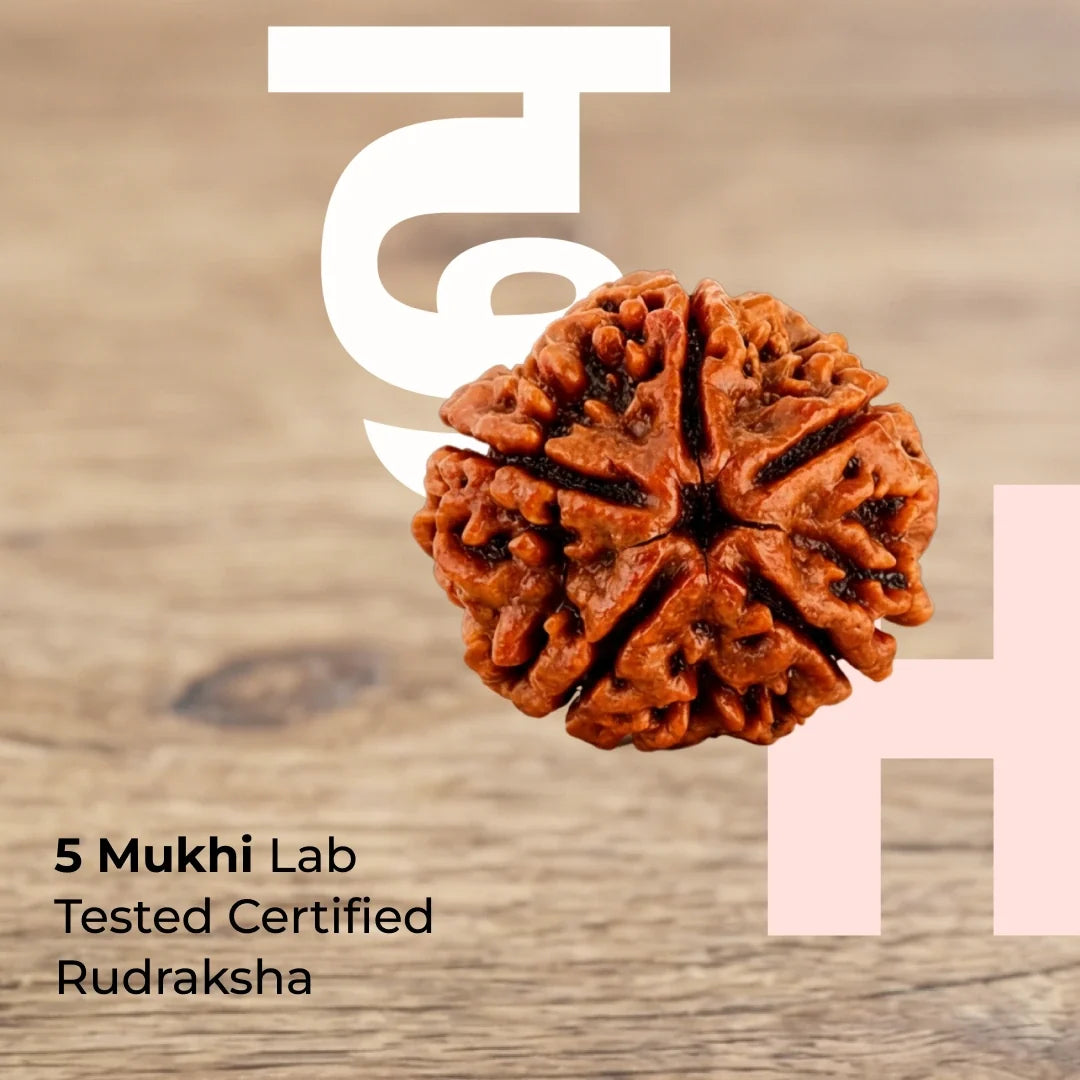
The debate of Nepali vs Indonesian rudraksha is one every buyer faces when choosing a genuine bead. Both come from the Elaeocarpus ganitrus tree, both are considered sacred to Lord Shiva, and both are authentic rudraksha. The real difference lies in size, appearance, mukhi clarity and price. This guide compares Nepali vs Indonesian rudraksha in plain terms so you can decide which is better for your budget and purpose.
The Divine Hindu App is here.
Chat free with top astrologers for your first 5 minutes every week, generate your Kundli, book temple Puja & Chadhava, and check today's Panchang — all in one app.
Nepali vs Indonesian Rudraksha: The Core Difference
Nepali rudraksha (also called Nepalese or Himalayan) grow in the foothills of the Himalayas. They are typically larger, with deep, clearly separated mukhi lines and prominent surfaces. Indonesian rudraksha (often called Java beads) grow in Indonesia and are usually smaller, smoother and more uniform, with finer mukhi lines. Neither is fake; they are simply two origins of the same species with different characteristics.
Comparison Table: Nepali vs Indonesian Rudraksha

| Feature | Nepali Rudraksha | Indonesian (Java) Rudraksha |
|---|---|---|
| Size | Larger (approx. 18-30 mm) | Smaller (approx. 6-14 mm) |
| Mukhi lines | Deep, wide, clearly visible | Fine, shallow, closely spaced |
| Surface | Prominent, pronounced thorns | Smoother, more uniform |
| Colour | Reddish-brown to dark brown | Lighter brown |
| Rare mukhis | More readily available | Available but smaller |
| Price | Generally higher | More affordable |
| Best for | Collectors, high-mukhi seekers | Daily wear, malas, budget buyers |
Which Is Better for You?
Choose Nepali Rudraksha If...
You want larger beads with striking, well-defined mukhi lines, you are seeking rarer faces such as higher mukhi beads, or you value a bold, traditional look. Because clarity of mukhi is easier to verify on Nepali beads, many collectors and serious practitioners prefer them despite the higher price.
Choose Indonesian Rudraksha If...
You want a lightweight, comfortable bead for everyday wear, a 108-bead japa mala at a friendly price, or a discreet size that sits neatly on the wrist or neck. Indonesian beads are ideal for those beginning their spiritual practice or building a mala without a large budget.
Whichever origin you choose, authenticity matters most. Read our guide on where to buy authentic rudraksha beads so you can shop with confidence.
Does Origin Change the Benefits?
According to traditional belief, the spiritual significance of a rudraksha comes from its mukhi and the deity or planet it represents, not its country of origin. A 5 Mukhi Nepali bead and a 5 Mukhi Indonesian bead are believed to carry the same essential energy. Size and price differ, but devotees hold that the sacred quality is defined by the faces. To understand what each face represents, see our rudraksha mukhi benefits guide.
How to Verify Authenticity
- Check that mukhi lines run naturally from top to bottom without breaks or carving marks.
- Examine the natural pores and surface; genuine beads show organic irregularity.
- Ask the seller for origin details and, for rare mukhis, a lab certificate.
- Be cautious of unusually cheap high-mukhi beads, as these are the most commonly imitated.
Price and Value Snapshot
| Buyer Type | Recommended Origin | Why |
|---|---|---|
| First-time wearer | Indonesian | Affordable, comfortable, easy to wear daily |
| Mala for japa | Indonesian | Uniform small beads make a neat 108-bead mala |
| Rare mukhi seeker | Nepali | Clear lines, larger size, easier verification |
| Collector | Nepali | Prominent surface and premium appearance |
Frequently Asked Questions
Is Nepali rudraksha better than Indonesian?
Neither is universally better. Nepali beads are larger with clearer mukhi lines and are preferred by collectors, while Indonesian beads are smaller, smoother and more affordable for daily wear. Both are authentic.
Why is Nepali rudraksha more expensive?
Nepali beads are larger, have deeper mukhi lines and are considered more collectible, which raises demand and price. Rare high-mukhi Nepali beads command the highest prices.
Are Indonesian rudraksha fake?
No. Indonesian rudraksha are genuine beads from the same species. They are simply smaller and smoother than Nepali beads.
Which is best for a japa mala?
Indonesian beads are popular for 108-bead japa malas because their small, uniform size makes a comfortable, lightweight strand.
Does the origin affect spiritual benefits?
Traditionally, benefits are linked to the mukhi and its associated deity or planet rather than the country of origin, so both origins are believed to carry the same essential energy.
Disclaimer: Rudraksha benefits are based on traditional beliefs and are not a substitute for professional medical, psychological or financial advice.
Explore authentic beads of both origins in our curated All Rudraksha collection and choose the one that suits you best.


