 Cow Shelter/Donation

Prana Pratishtha at Home: How a New Murti Is Traditionally Installed, Step by Step
September 03, 2026
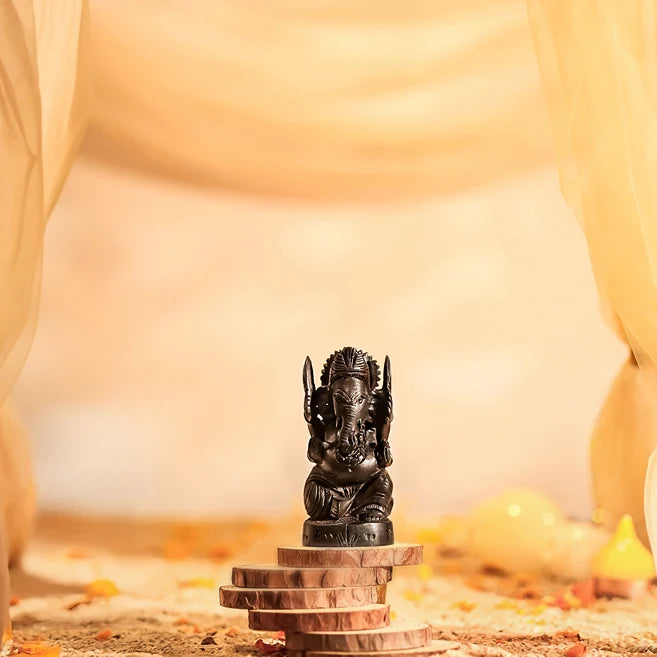
Prana pratishtha is the rite by which a newly made murti is traditionally brought from being an object into being a form fit for worship. In its household form the sequence is consistent: choose a muhurat, purify the space, make a sankalpa, bathe the murti in panchamrit and clean water, place it on its seat facing the right direction, adorn it, recite the pratishtha mantras, symbolically open its eyes, and complete the first full offering. Below is each step, what it needs, and the simplified version most families actually perform.
What the rite is doing
In Vedic tradition an image straight from the workshop is regarded as craft. What changes it is not the material or the price but the pratishtha, in which prana is invoked and the deity is welcomed into the form as a guest is welcomed into a house. Almost every step in the sequence follows that logic exactly: you receive, you offer water, you bathe, you seat, you clothe, you feed. The rite is a hospitality ritual before it is anything else, which is why it is intelligible even without knowing a word of Sanskrit.
The full temple pratishtha is considerably longer, running over several days and including adhivasa, in which the murti rests successively in water, in grain and on a bed. Household pratishtha compresses all of that into a single morning, and that compression is traditional and long accepted, not a modern shortcut.
Four decisions before the day
The muhurat. A shukla paksha morning is conventional, and the deity's own festival day is the easiest choice of all, since it removes the question entirely. Many families take a date from the panchang or from their priest.
Who performs it. A priest is conventional for a large murti or a newly built mandir. For a small household murti, a simplified vidhi performed by an elder of the family is widely accepted and always has been.
Where it will sit. Decide the exact position before the day, not after, because moving a murti immediately after installation is customarily avoided. Our guide to where to place idols at home covers the direction conventions.
How much you can maintain. Tradition treats an installed murti as carrying an ongoing obligation of daily offering. Install what you will actually tend to.
What you need
| Item | Used for | Notes |
|---|---|---|
| Panchamrit: milk, curd, ghee, honey, sugar | Abhisheka | Mixed fresh; distributed as prasad afterwards |
| Clean water, and Ganga jal if available | Final rinse after panchamrit | The rinse matters; residue attracts insects |
| Kalash, coconut, mango leaves, red thread | Kalash sthapana before the rite | Set up first, on a bed of rice |
| Peetha, chowki or raised platform | Seating the murti | Murtis are customarily not placed directly on the floor |
| New cloth, chandan, kumkum, akshata | Alankara | Akshata is unbroken rice mixed with turmeric |
| Flowers, tulsi or bilva as appropriate | Offering and pushpanjali | Leaf choice follows the deity |
| Ghee lamp, dhoop, camphor, bell | Deepa, dhoopa, aarti | A well arranged puja thali holds most of this |
| Naivedya and fruit | First offering | Something cooked at home is conventional |
Most of the smaller pieces sit in a standard puja thali and kalash set, which is why those two items are the usual starting point for a new mandir.

The sequence, step by step
- Purify the space. The mandir is cleaned, the floor washed, a rangoli or simple design drawn if that is your family's custom, and the lamp lit. Those performing bathe and wear clean clothes.
- Kalash sthapana. A kalash is filled with water, marked with kumkum, topped with mango leaves and a coconut, and placed on rice to the right of where the murti will sit.
- Sankalpa. Holding water, rice and a flower in the right hand, you state the intent: the date and tithi, your gotra and name, the place, and what you are about to do. The sankalpa is what converts a set of actions into a rite, and it is customarily not skipped.
- Abhisheka. The murti is bathed in panchamrit, then rinsed thoroughly with clean water, then wiped completely dry with a fresh cloth. Metal murtis in particular must be dried properly. This is traditionally understood as welcome rather than washing.
- Sthapana. The murti is placed on its peetha in its final position, facing the direction settled beforehand, and is not moved again during the rite.
- Alankara. New cloth, chandan and kumkum on the forehead, akshata, ornaments if any, and a garland. This is the point at which most families realise how much they enjoy the whole thing.
- Nyasa and the pratishtha mantras. The pratishtha mantras are recited, with the Purusha Sukta commonly included, invoking prana into the form. These mantras are customarily learned from a teacher or a priest rather than read aloud from a page for the first time on the day, and a family without them can substitute the deity's own mool mantra or name, chanted with attention, which is a long accepted practice.
- Netra unmilana. The eyes are symbolically opened. In temple pratishtha this is done with ghee or honey and a fine gold implement; at home a touch of ghee or chandan applied at the eyes with the ring finger is the customary form.
- Shodashopachara. The sixteen offerings follow in order: seat, water for the feet, water for the hands, water to sip, bath, cloth, sacred thread, sandal paste, flowers, incense, lamp, food, betel, and the closing offerings of pradakshina and pushpanjali.
- Naivedya and aarti. Food is offered and covered briefly, camphor aarti is performed, and the bell is rung. Prasad is then distributed to everyone present.
The simplified version most households do
If you are installing a small murti and there is no priest, the widely practised short form is: clean the space and light the lamp, make the sankalpa, bathe the murti in panchamrit and rinse and dry it, place and adorn it, chant the deity's mool mantra or name a fixed number of rounds, offer a lamp, incense, flower and naivedya, and perform aarti. That is a complete and acceptable household pratishtha. Its shortness is not a defect; domestic worship has always been simpler than temple worship by design.
One practical note on material. Solid brass murtis handle repeated abhisheka far better than resin or painted plaster, which is why they dominate household mandirs. If you are still choosing, browsing sacred god idols by deity rather than by size keeps the shrine to one clear focus, and our home temple guide covers the material comparison in detail.
After the installation
The convention is that the murti receives offering the next morning and every morning after, and in most homes that settles into something very simple: water, a lamp, a flower, a few minutes. Abhisheka with panchamrit is customarily repeated on festival days rather than daily. Do not shift the murti's position casually once installed; if the shrine has to move, as when a family changes house, the practice is a fresh sankalpa and abhisheka at the new place rather than a repeat of the full rite.
A note on tradition
The sequence above reflects widely followed household practice and varies by sampradaya, by region and by family, and a priest in your own tradition may order it differently or include steps not mentioned here. Nothing in this guide should be read as a claim that performing the rite will produce prosperity, protection, health or any other outcome. Where your family's practice or your teacher's instruction differs from this, follow theirs.
Frequently Asked Questions
What does prana pratishtha mean?
Prana pratishtha means the establishing of prana, or life breath, in a murti. In Vedic tradition a newly made image is treated as an object of craft until this is done, and as a form fit for worship afterwards. The rite consists of purification, bathing, placement, adornment, the recitation of the pratishtha mantras and a first full offering.
Do I need a priest to install a murti at home?
For a full pratishtha with all of its parts, most families call a priest, because the mantras and their sequence are customarily received from a teacher rather than read from a book. For a small household murti, a simplified vidhi performed by an elder of the family is widely accepted and has always been common practice. If the murti is large, or a new mandir is being opened, a priest is the conventional choice.
Is prana pratishtha needed for a photograph or a small murti?
Traditionally the full rite is associated with murtis intended for regular worship. Framed pictures, small travel murtis and decorative pieces are customarily washed, wiped and placed without a formal installation. Many families perform a short sankalpa and abhisheka anyway, which is considered entirely appropriate.
What is the best time to install a new murti?
An auspicious muhurat is customarily chosen, most often on a shukla paksha day, on a festival associated with that deity, or on a day identified from the panchang or by a family priest. Morning hours are conventional. Many households simply use the deity's own festival day, which avoids the question altogether.
What is panchamrit and why is the murti bathed in it?
Panchamrit is a mixture of five ingredients, customarily milk, curd, ghee, honey and sugar. The murti is bathed in it and then rinsed with clean water as part of the abhisheka. The bath is traditionally understood as purification and welcome rather than as cleaning, and the panchamrit is afterwards distributed as prasad.
What happens after the installation?
Tradition treats an installed murti as having an ongoing claim on the household, which is why regular offering is expected rather than optional. In most families this settles into something simple and daily: a lamp, water, a flower and a few minutes. It is also the reason it is customarily advised to install only as many murtis as you can genuinely maintain.
Can a murti that has already been worshipped elsewhere be installed again?
Yes, and it is common when a family moves house or inherits a murti. The usual practice is a fresh sankalpa and abhisheka in the new place rather than a full pratishtha, since the murti is not being newly established. When moving home, murtis are customarily carried by hand rather than packed in with the furniture.


