 Cow Shelter/Donation

Rudrabhishek at Home: Vidhi, Samagri & Benefits
July 18, 2026
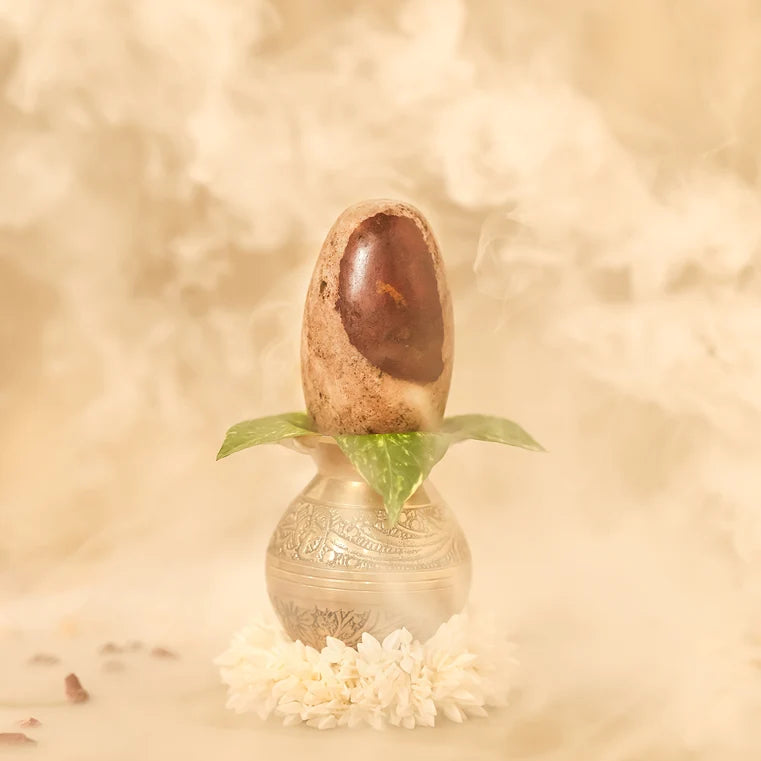
Performing Rudrabhishek at home is one of the most powerful ways to invoke the blessings of Lord Shiva, the compassionate destroyer of negativity and grantor of peace. Rudrabhishek is the ceremonial bathing (abhishek) of the Shivling while chanting the sacred Rudra mantras from the Yajurveda. Devotees perform it to remove obstacles, cleanse past karma, and attract health, prosperity and inner calm. This guide explains the meaning, the vidhi, the samagri and the benefits so you can perform this sacred ritual with devotion at home.
The Divine Hindu App is here.
Chat free with top astrologers for your first 5 minutes every week, generate your Kundli, book temple Puja & Chadhava, and check today's Panchang — all in one app.
What Is Rudrabhishek?
Rudra is a fierce yet benevolent form of Lord Shiva, and abhishek means ceremonial bathing. In Rudrabhishek, the Shivling is bathed with a series of sacred substances, one after another, while the priest or devotee chants the Rudri or Namakam-Chamakam. Each substance carries its own blessing, and the continuous flow of the abhishek is believed to shower the devotee with divine grace. It is especially auspicious to perform Rudrabhishek on Mondays, during the month of Shravan, and on Maha Shivratri.
Rudrabhishek Samagri List

| Category | Items |
|---|---|
| Deity setup | Shivling, brass or copper plate (jaladhari), small mandap |
| Abhishek substances | Ganga jal, raw milk, curd, honey, ghee, sugar, coconut water |
| Sacred offerings | Bilva (bel) leaves, dhatura, aak flowers, white flowers, bhang |
| Puja essentials | Diya, ghee, cotton wicks, dhoop, camphor, bell, chandan |
| Adornment | Akshat, kumkum, bhasma (sacred ash), rudraksha mala |
| Naivedya | Fruits, white sweets, water for offering |
Rudrabhishek Vidhi: Step-by-Step
Step 1: Purify and Set Up
Bathe and wear clean clothes. Place the Shivling on a jaladhari (a plate with a spout) facing north, so the abhishek water can flow out. Light a diya and incense, and keep all abhishek substances ready in small vessels.
Step 2: Sankalp and Ganesh Puja
Take water in your hand and make a sankalp, stating your name and intention. Worship Lord Ganesha first to remove obstacles, then invoke Lord Shiva with the mantra Om Namah Shivaya.
Step 3: Perform the Abhishek
Bathe the Shivling with each substance in sequence while chanting Om Namah Shivaya or the Maha Mrityunjaya mantra. The traditional order is water, then milk, curd, honey, ghee and sugar (panchamrit), followed by coconut water, and finally pure Ganga jal to conclude.
| Abhishek Substance | Blessing It Bestows |
|---|---|
| Water / Ganga jal | Purity and peace of mind |
| Milk | Long life and nourishment |
| Curd | Prosperity and healthy progeny |
| Honey | Sweetness of speech and relationships |
| Ghee | Strength and victory |
| Sugar | Happiness and removal of sorrow |
Step 4: Offer Bilva Leaves and Adorn
After the abhishek, wipe the Shivling gently and offer bilva (bel) leaves, which are exceptionally dear to Lord Shiva, along with white flowers, chandan, akshat and bhasma. Offer naivedya and water.
Step 5: Chanting and Aarti
Chant the Maha Mrityunjaya mantra 11, 21 or 108 times using a rudraksha mala, then perform the aarti Om Jai Shiv Omkara with camphor. Conclude with pranam and distribute prasad.
Benefits of Rudrabhishek
Rudrabhishek is believed to cleanse negative karma, reduce the malefic effects of planets, promote health and longevity, and bring peace and prosperity to the household. Performing it during Shravan or on Maha Shivratri is considered especially fruitful. Above all, it deepens one's devotion and connection with Mahadev. To time your abhishek with the most auspicious night of Shiva, read our Maha Shivratri celebration guide. If you would like an experienced pandit to perform it with full Vedic chanting, you can book a pandit-performed pooja online from home.
Things to Remember
Use fresh, pure substances for the abhishek, keep the flow gentle and continuous, and maintain focus on the mantras. Never offer tulsi or turmeric to a Shivling, and always offer bilva leaves with the smooth side facing down. Perform the ritual with a calm, reverent mind for the fullest blessings.
Frequently Asked Questions
Can I perform Rudrabhishek at home without a pandit?
Yes, a devotee can perform a simple Rudrabhishek at home by bathing the Shivling with the sacred substances and chanting Om Namah Shivaya. For the full Rudri chanting, many invite a pandit or book an online seva.
Which day is best for Rudrabhishek?
Mondays, the month of Shravan, pradosh tithi and Maha Shivratri are considered the most auspicious times for Rudrabhishek.
What substances are used in Rudrabhishek?
The abhishek uses water, milk, curd, honey, ghee, sugar (panchamrit), coconut water and Ganga jal, followed by bilva leaves and white flowers.
Why are bilva leaves important in Shiva puja?
Bilva (bel) leaves are exceptionally dear to Lord Shiva. Offering them is believed to please him greatly and grant the devotee's heartfelt wishes.
What should not be offered during Rudrabhishek?
Tulsi leaves, turmeric (haldi) and kumkum are traditionally not offered to a Shivling. Stick to bilva leaves, white flowers, chandan and bhasma.
Invite the grace of Mahadev into your home with a sacred, authentic setup. Explore the Prem Milan Rudra Abhishek to perform your Rudrabhishek with devotion and tradition.


