 Cow Shelter/Donation

1 to 14 Mukhi Rudraksha: Complete Chooser Guide
August 07, 2026
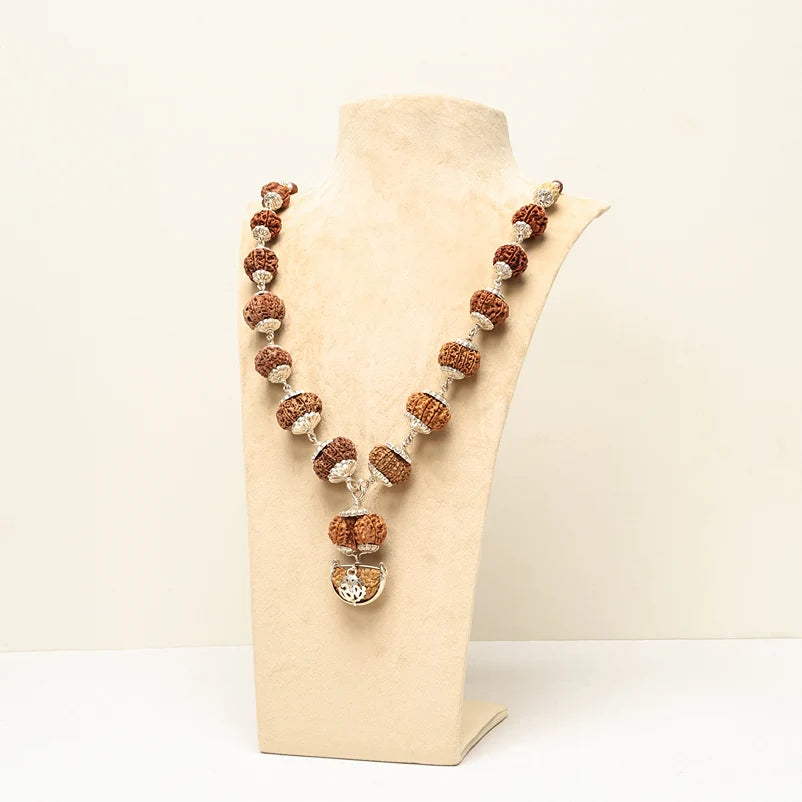
Kaun sa rudraksha pehne? The short answer from tradition: if you are new, start with the 5 mukhi — it is considered suitable for everyone — and then choose a specific mukhi based on your goal, your ishta devata, or an astrologer's reading of your kundli. This hub guide gives you a brief, honest introduction to every bead from 1 to 14 mukhi, what tradition associates each with, and links to our detailed guides where available.
The Divine Hindu App is here.
Chat free with top astrologers for your first 5 minutes every week, generate your Kundli, book temple Puja & Chadhava, and check today's Panchang — all in one app.
How Should You Choose a Rudraksha Mukhi?
Tradition offers three simple ways to choose. First, by goal — each mukhi is associated with a deity and a quality (peace, focus, prosperity, courage). Second, by graha — astrologers map mukhis to planets and recommend beads that support a weak or afflicted planet in your chart. Third, by ishta devata — many devotees simply wear the bead of the deity they worship daily.
One honest note before the list: these associations are matters of tradition and devotion, recorded in texts like the Shiva Purana. A rudraksha supports your faith, japa and effort — it does not guarantee outcomes, and it is not a substitute for medical, financial or professional advice. Jo bhi bead aap chunein, shraddha ke saath pehnein.
1 to 7 Mukhi Rudraksha: Kaun Sa Kis Liye?
1 Mukhi Rudraksha
Tradition holds the ek mukhi as the rarest bead, representing Shiva himself and pure consciousness; astrologers link it to the Sun. It is associated with deep meditation and detachment. Read our full guide: Can anyone wear the 1 mukhi rudraksha?
2 Mukhi Rudraksha
Associated with Ardhanarishvara — the combined form of Shiva and Parvati — and the Moon. Tradition recommends it for harmony in relationships and emotional balance.
3 Mukhi Rudraksha
The bead of Agni Dev, linked to Mars. Tradition holds it burns past karmas and is recommended for those carrying guilt, lethargy or low self-esteem.
4 Mukhi Rudraksha
Associated with Brahma and the planet Mercury. Traditionally recommended for students, teachers and speakers — for vidya, memory and communication.
5 Mukhi Rudraksha
The most common and universally recommended bead, associated with Kalagni Rudra and Jupiter. Tradition considers it safe for everyone — men, women, children — for general well-being and daily japa. Read our detailed guide: 5 mukhi rudraksha benefits.
6 Mukhi Rudraksha
The bead of Lord Kartikeya, linked to Venus. Tradition associates it with willpower, focus and grounded confidence — often recommended for young people.
7 Mukhi Rudraksha
Associated with Goddess Mahalakshmi and Shani (Saturn). Tradition recommends it for prosperity and for those in Sade Sati or difficult Saturn periods. Read our full guide: 7 mukhi rudraksha benefits and how to wear.
8 to 14 Mukhi Rudraksha: Higher Mukhis Explained
8 Mukhi Rudraksha
The bead of Lord Ganesha, linked to Rahu. Tradition associates it with the removal of obstacles (vighna) and steadiness in new ventures.
9 Mukhi Rudraksha
Associated with Goddess Durga and Ketu. Tradition recommends it for courage, fearlessness and shakti — often suggested for women devotees of the Devi.
10 Mukhi Rudraksha
The bead of Lord Vishnu. Tradition holds it as a protective bead — a raksha kavach against negativity, evil eye and fear — with no single ruling planet.
11 Mukhi Rudraksha
Associated with the Ekadash Rudras and Lord Hanuman. Tradition links it to courage, disciplined sadhana and success in yoga and vrat practices.
12 Mukhi Rudraksha
The bead of Surya Dev, the Sun. Tradition recommends it for leadership, name and fame — often suggested for administrators, politicians and business heads.
13 Mukhi Rudraksha
Associated with Kamadeva and Indra. Tradition links it to charisma, persuasion and attainment of desires — a rare bead often worn by artists and public figures.
14 Mukhi Rudraksha
Called Deva Mani, the divine gem, associated with Hanuman and Shiva's third eye. Tradition holds it sharpens intuition and judgement; it is among the rarest and most valued beads.
Kaun Sa Rudraksha Pehne? Quick Recommendations
Beginner or unsure: 5 mukhi — the traditional starting point for everyone.

Students and learners: 4 or 6 mukhi; also see our guide on the best rudraksha for students.
Financial stability / Shani period: 7 mukhi, per astrologers' common recommendation.
New ventures: 8 mukhi (Ganesha) for obstacle removal, as per tradition.
Courage and protection: 9 or 10 mukhi.
Deep sadhana: 1, 11 or 14 mukhi, traditionally worn under guidance.
Whichever bead you choose, wear it after a simple energising vidhi — our guide on how to energize rudraksha at home walks you through it — and buy only govt lab certified / lab tested beads. You can browse mukhi-wise beads in our Rudraksha collection or see every bead and mala together in the complete Rudraksha range.
FAQs:
Kaun sa rudraksha sabse powerful hai?
Tradition does not rank one bead as universally most powerful — each mukhi serves a different purpose. The 1 mukhi and 14 mukhi are considered the rarest and most revered, while the 5 mukhi is held to be the most universally beneficial for daily wear and japa.
Which rudraksha should a beginner wear?
The 5 mukhi rudraksha. Tradition considers it suitable for everyone regardless of age, gender or rashi, and astrologers commonly recommend it as the safe starting bead before moving to specific higher mukhis.
Can I wear two different mukhi rudraksha together?
Yes, tradition accepts combining mukhis — for example a 5 mukhi mala with a single 7 mukhi or 8 mukhi bead. Many devotees layer beads for different goals, though those under a guru's guidance follow their teacher's specific instruction.
Do I need my kundli checked before choosing a rudraksha?
Not necessarily. Tradition allows choosing by ishta devata or personal goal, and the 5 mukhi is considered safe for all. A kundli reading helps only if you want a planet-specific recommendation from an astrologer.
How do I know a high-mukhi rudraksha is genuine?
Higher mukhis like 1, 13 and 14 are rare and frequently faked. Buy only from sellers who provide govt lab certified / lab tested beads with clear certification, and check that the mukhi lines run naturally from top to bottom.


