 Cow Shelter / Donation

Ek Mukhi (1 Mukhi) Rudraksha Bead and Pendants
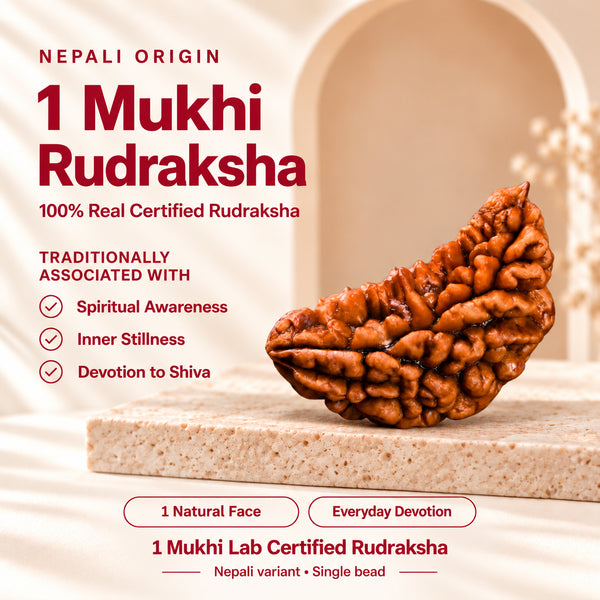
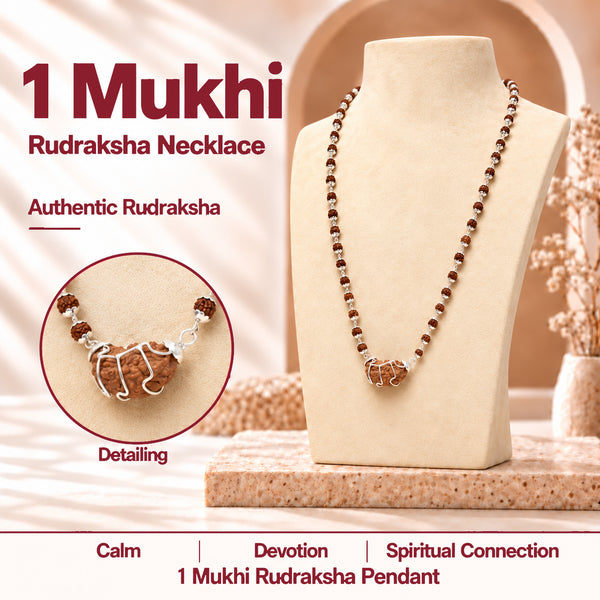
Ek Mukhi Rudraksha is the one-faced Rudraksha bead, associated in Hindu tradition with Lord Shiva. Here you can compare a lab certified single bead, a silver cap pendant and a Rudraksha and Karungali pendant with a silver cap.

About 1 Mukhi Rudraksha
This 1 Mukhi collection includes an individual bead listing, a silver-cap pendant design and a Rudraksha-Karungali pendant combination.
Read each product’s description of the bead, its dimensions and its mounting. Do not assume origin or shape from the mukhi name alone. Check any certificate or report against the exact product, and confirm whether a chain or thread is included in the version you select.
Explore other mukhi bead listings.
- Mukhi
- 1 (ek mukhi), one natural face
- Listings
- Single bead, silver cap pendant, Rudraksha and Karungali pendant
- Certification
- Single bead listed as lab certified
- Check before ordering
- Origin, shape, dimensions, mounting, chain or thread
- Tradition
- Associated with Lord Shiva
Choosing an ek mukhi rudraksha: bead or pendant
- 1 Mukhi Lab Certified Rudraksha: an individual bead listing. Check whether it comes loose or mounted.
- 1 Mukhi Rudraksha Pendant with Silver Cap: the bead fitted with a silver cap for wearing.
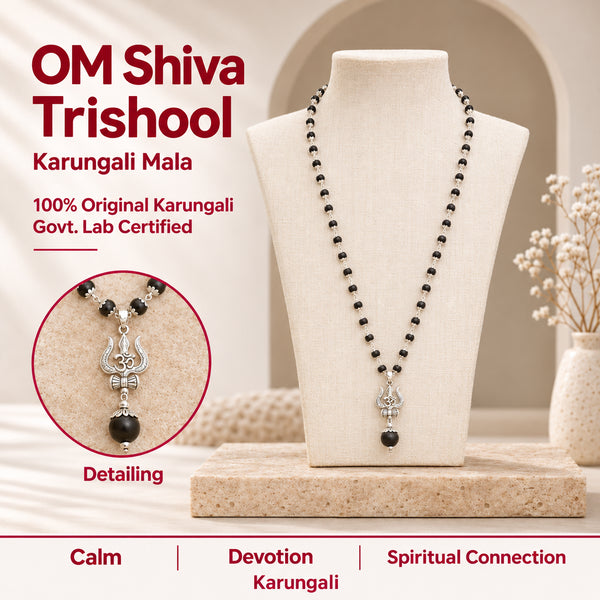
- 1 Mukhi Rudraksha and Karungali Pendant: the bead paired with Karungali (ebony), also with a silver cap.
Confirm on the product page whether a chain or thread is included in the version you select. Then compare the bead description and dimensions side by side.
Shape, origin and size
Ek mukhi beads are found in more than one shape and from more than one region. The mukhi name alone does not tell you either, so read the bead description and origin on each product page.
Dimensions are described separately from the mukhi. A pendant also adds a cap and possibly a chain, so compare the stated dimensions with a piece you already wear.
Certificates and reports
The individual bead is listed as lab certified. If a certificate or report is supplied, check it against the exact product you receive, such as the bead’s size and mukhi.
A certificate describes one specific bead. It does not apply to a different bead of the same mukhi, so keep the document with the bead it belongs to. Compare the stated details with the bead before you first wear it.
Wearing and caring for an ek mukhi bead
Many devotees first wear Rudraksha on a Monday, after a bath, while chanting Om Namah Shivaya. Some keep an ek mukhi bead in the puja room instead of wearing it daily. Follow your family custom or your guru’s guidance.
Keep the bead dry and away from soap, perfume and chemicals. Wipe it with a soft cloth after wearing, and store it in a clean pouch. To compare other bead types, see Rudraksha single beads.
Ek mukhi in 2027: round Nepali vs half-moon, honestly
Most natural ek mukhi beads are the half-moon (kaju-dana) form; a round Nepali ek mukhi is extremely rare. Treat any round bead with scepticism unless its lab certificate records a single seed chamber on X-ray: a drawn line or carved Om is not natural, and water or coin tests settle nothing. The half-moon form is not less sacred, only more common.
In 2027 many devotees first wear the bead on Maha Shivaratri, 6 Mar. For Simha (Leo) Moon signs it is the rashi-lord bead, in a year when Ashtama Shani pauses from 3 Jun to 20 Oct and Guru enters Simha on 26 Jun. Your lagna and dasha decide the result.
Frequently asked questions
What are the benefits of 1 Mukhi Rudraksha?
How can I tell if an ek mukhi rudraksha is original?
Is this ek mukhi rudraksha from Nepal?
What is the ek mukhi rudraksha price?
Does the 1 Mukhi Rudraksha pendant come with a chain?
What does 1 face rudraksha mean?
When is the 1 mukhi first worn in 2027?
Is the half-moon 1 mukhi less valid than the round one?
Related pages
- Single Rudraksha Bead by Mukhi, Origin and Size
- Rudraksha Pendants: 1 Mukhi, Adiyogi and Karungali Malai Designs
- 1–14 Mukhi Rudraksha Mala and Siddha Mala
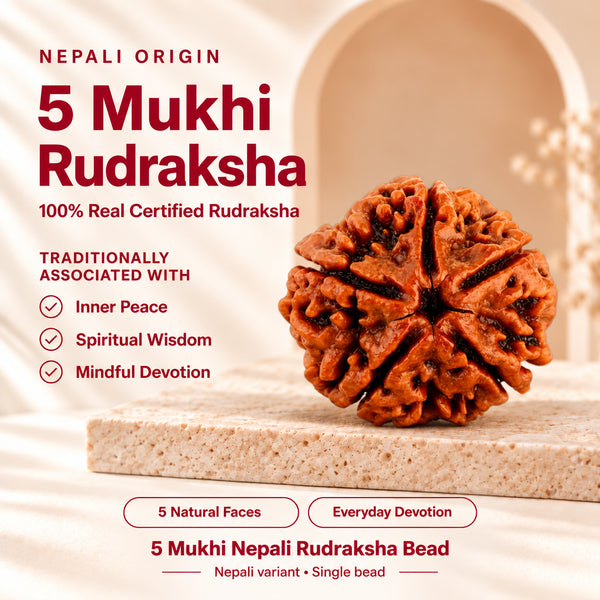
- Panch Mukhi Rudraksha: Beads, Bracelets and Malas
- 7 Mukhi Rudraksha: Single Beads and Malas
- Nepali Rudraksha Beads, Malas and Necklaces
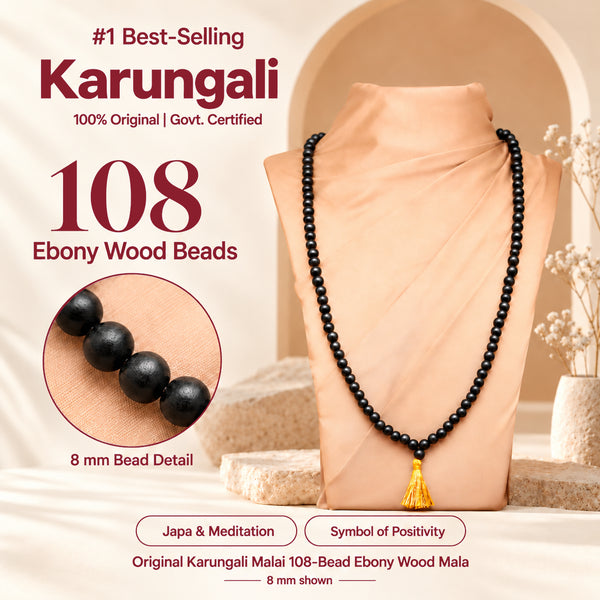
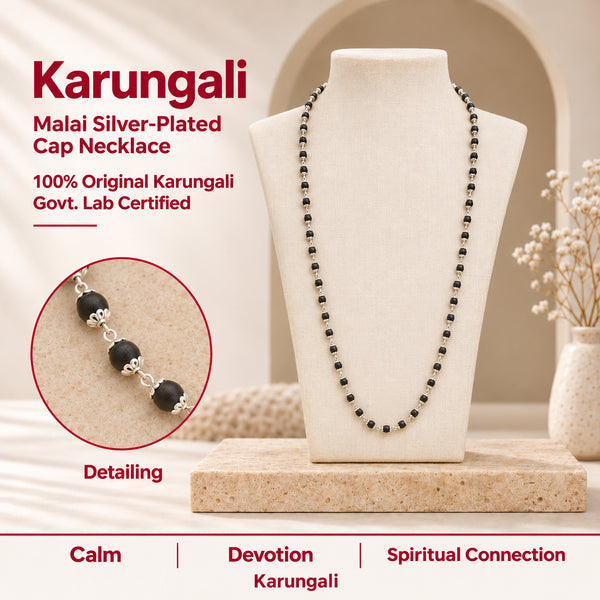
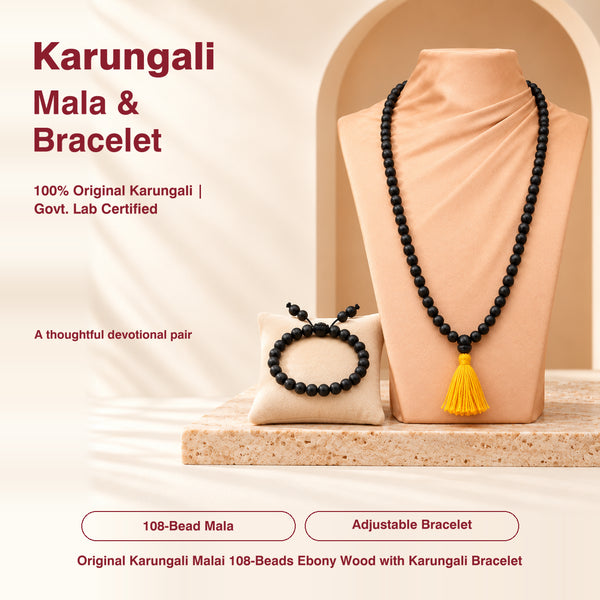
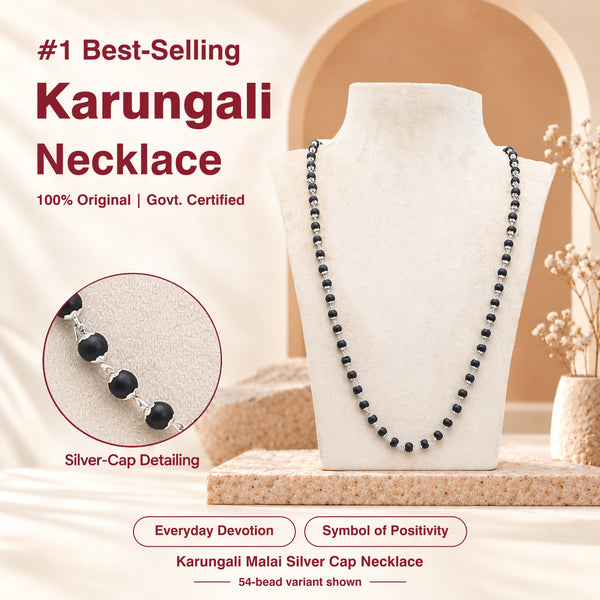
- Karungali Wood Malas, Bracelets, Pendants and Idols
- Rudraksha Mala, Beads, Necklaces and Bracelets
Updated on 2 November 2026

Top picks for you
 6mm
 8mm
 Small 7*7 inch


