 Cow Shelter/Donation

Spiritual Gifts for Parents and Elders: What Suits, and What to Avoid
September 03, 2026
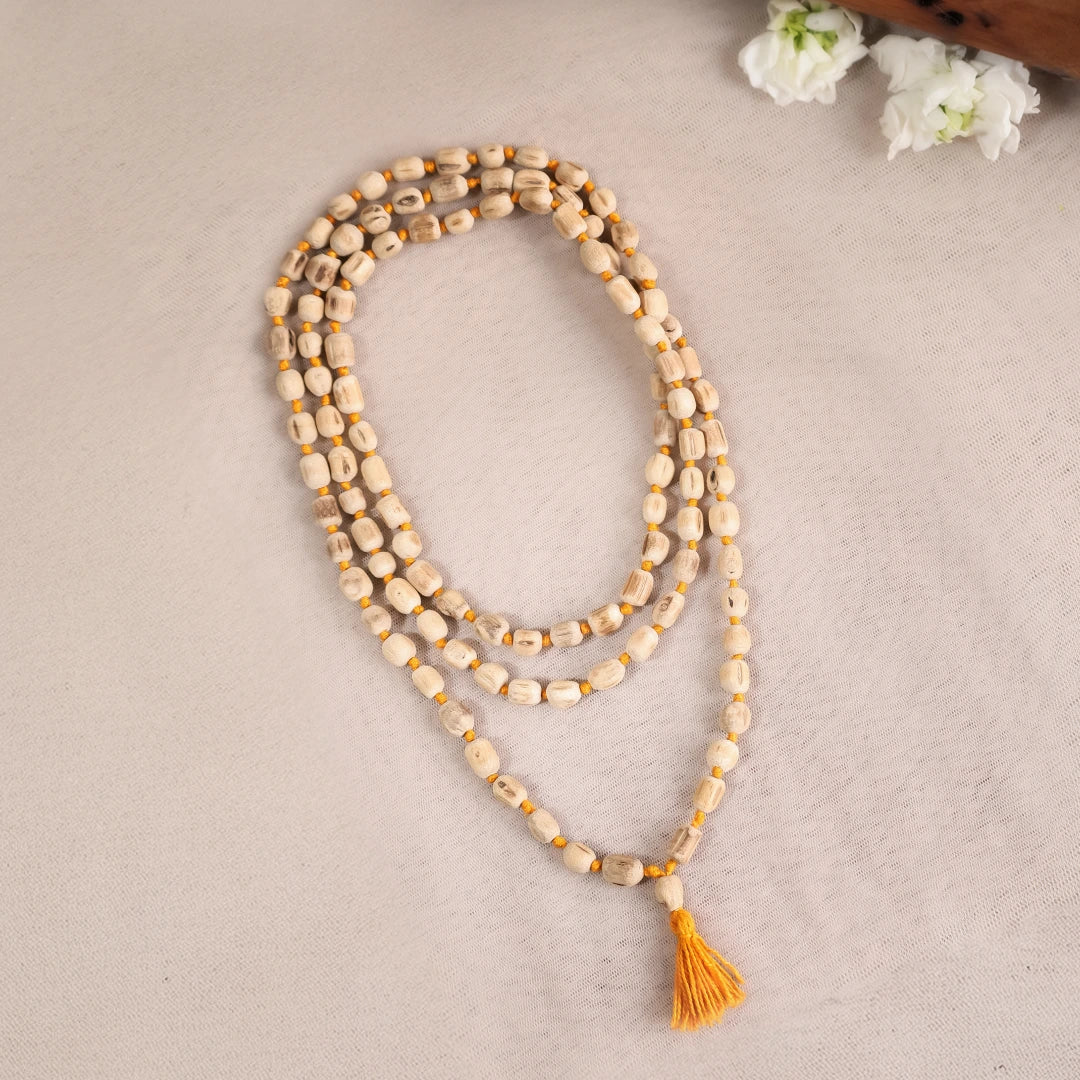
The best spiritual gift for a parent or an elder is almost always something that joins their existing routine rather than something that asks them to start a new one. A lamp for the mandir they already light, a mala in the bead they already use, fresh cloth, a lighter thali, a good incense. Three filters decide most of it: can they lift and clean it, will it be used tomorrow, and does it imply anything about their age or their health. That last filter is the one people get wrong.
The three filters
Weight and handling. This is the most practical and least considered point in the whole exercise. A large solid brass lamp is a beautiful object and a genuine burden to lift, fill and clean every week. Elders overwhelmingly use the lighter piece and leave the heavier one on display. If you are choosing between two versions of the same item, the lighter one is usually the better gift.
Does it join the routine. Most elders have a settled practice, sometimes decades old, and are not looking to change it. A gift that slots into that practice gets used daily. A gift that requires a new habit sits in its box. Ask, if you can, what they are currently using and what has worn out; the answer is almost always more useful than any guess.
What it implies. A gift can carry an unintended message. Anything that reads as a comment on someone's age, mobility, memory or health can land badly however kindly it was meant. Give the object as an object, warmly and without a speech attached.
What actually suits
| Gift | Why it suits | Choose carefully for |
|---|---|---|
| Brass or silver diya, small lamp | Used every single day, in every household that keeps a mandir | Weight, and whether the oil well is easy to reach and clean |
| Japa mala | Directly joins an existing practice | Bead size; larger beads are easier to count with |
| Puja thali set | The old one is usually dented and incomplete | A lighter thali is genuinely more useful than a heavier one |
| New mandir cloth, asana, altar mat | Wears out, gets replaced, is rarely bought as a treat | Colour conventions the family follows |
| Good quality incense or dhoop | Consumed and repurchased, so never surplus | Strength of fragrance in a small or closed room |
| Hallmarked silver coin or small article | Customary at every auspicious occasion, and keeps | Nothing much; it is the safest gift on this list |
| Shawl, warm cloth | Practical, personal without being presumptuous | Weight again; heavy shawls go unused |
| Books and stotra collections | Well received where there is an existing reading habit | Print size, which is the single biggest failure point |
The mala question
A mala is among the most personal gifts you can give an elder, and one of the best received when it is chosen well. Two details do most of the work. First, match the bead to what they already use; someone who has counted on tulsi for forty years does not want to switch to something else. Second, mind the bead size, because larger beads are simply easier to move with the fingers, and counting is a tactile action long before it is anything else.
Rudraksha, tulsi, sandalwood and Karungali are all conventional, and a plain, well strung japa mala is more welcome than an ornate one. If they are new to japa, our guide on how to chant on a mala covers the finger position and the sumeru convention, which is worth reading before you give one rather than after. If you are choosing rudraksha, buy the plain bead and let them decide how to wear it.
Lamps, thalis and the unglamorous mandir items
The most reliable gift category for elders is mandir consumables and replacements, precisely because nobody buys them as presents. Wicks, cotton, cloth, a new bell when the old one has lost its tone, a small stand for dhoop, a fresh container for kumkum, a replacement spoon. Individually inexpensive, collectively the thing that gets used most.

On lamps specifically: a diya or standing lamp is the default gift for a reason, but check the format they use. A South Indian household using a kuthu vilakku and a North Indian household using small deep diyas are not interchangeable. And brass needs cleaning, so a piece with simple lines is kinder than one with deep ornamentation that traps residue.
Health-adjacent gifting: getting the framing right
This is where good intentions cause the most trouble, so it is worth being direct about it.
Claims circulate widely, online and in shops, that particular beads or stones lower blood pressure, ease joint pain, improve sleep or help with a specific condition. Those claims are not something we make and not something to repeat when you hand over a gift. An object given as a remedy sets up an expectation that it cannot meet, and it can also make an elder feel that their illness is being discussed behind their back.
Nothing in this article is medical advice, and no item mentioned here is a treatment for any condition or a substitute for care from a qualified doctor. If a parent is unwell, the spiritual gift is still entirely appropriate. Give it the way you would in any other year, as affection rather than as intervention, and keep the conversation about the gift rather than the diagnosis. Families have given lamps, malas and silver at difficult times for as long as any of these customs have existed, and the comfort in that is real without anyone having to claim anything.
What is customarily avoided
- Sharp objects, black items, leather and footwear. The general gifting customs apply here as elsewhere.
- Anything chipped or repaired. Particularly relevant for brass, which is often gifted second hand within families.
- An additional murti for a mandir that is already full. Tradition holds one murti of each deity for daily worship, so a duplicate creates a problem rather than a pleasure.
- Heavy pieces. Not a custom, simply the most common practical mistake.
- Anything needing a phone, an app or a charger. Occasionally welcome, usually not, and never a surprise gift.
- Gifts that comment on age. Mobility aids, large print anything presented as such, and health gadgets belong to a different conversation, one they should start.
Budget and occasion
Under 999 covers a good diya, a plain mala, incense or a small silver coin, and none of those read as cheap. The 1,000 to 2,000 band covers a proper lamp, a full thali set or a better mala, and is where most family gifting sits. Above that, hallmarked silver and larger brass pieces come in, and hallmarking matters because it tells the recipient exactly what they have. For Diwali specifically, giving a few days before the festival rather than on the day is customary, so that anything for the mandir can be used during the puja itself.
A note on tradition
The customs described here are widely followed and vary by region, community and family. Nothing above is a claim that any object will produce health, longevity, peace of mind or any other outcome for the person receiving it. These are gestures of respect, which is what they have always been, and where an elder's own practice differs from anything written here, theirs is the one that counts.
Frequently Asked Questions
What is a good spiritual gift for elderly parents?
Something they will use daily tends to work far better than something displayed. A brass or silver lamp for the mandir, a japa mala in a bead they already use, a light puja thali, a good incense set or a warm shawl are all conventional. The single most useful filter is weight: an item an older person can lift and clean comfortably is the one that actually gets used.
Is it appropriate to gift a rudraksha or a gemstone to a parent?
A rudraksha or a plain japa mala is a conventional and welcome gift and is not tied to an individual horoscope. A gemstone is different, because in Vedic tradition it is selected for a specific person from their birth chart, so it is customarily chosen with an astrologer rather than picked as a surprise. Neither should be presented as a treatment for any condition.
My parent is unwell. Should I still give a spiritual gift?
Yes, and it is common in Indian families, but the framing matters more than the object. A gift given as an ordinary expression of affection lands very differently from one presented as a remedy. Avoid anything that implies a diagnosis or a cure, and avoid making the gift the centre of a conversation about their health. Nothing here is medical advice, and no product mentioned substitutes for treatment from a qualified doctor.
What should be avoided when gifting elders?
The general customs apply: sharp objects, black items, leather, footwear and anything chipped are traditionally left out. Beyond that, the practical considerations matter more. Avoid heavy brass pieces they will struggle to lift, small print books, anything that needs an app or a charger, and gifts that draw attention to their age or their health.
Is it acceptable to gift a murti to a parent who already has a full mandir?
Think carefully first. Most home shrines are already full, and tradition holds that one murti of each deity is kept for daily worship, so an additional one can create an awkward problem rather than a pleasure. Mandir accessories, a lamp, fresh cloth, a thali or a bell are usually more welcome, because those genuinely wear out and need replacing.
What suits in-laws as opposed to my own parents?
With in-laws the safer choice is something for the household rather than something personal, because a personal item assumes a knowledge of preference you may not have. A lamp, a thali set, silver, sweets or a hamper is customary and carries no assumption. If you have been given a specific hint, follow it exactly; hints from in-laws are rarely casual.


