 Cow Shelter/Donation

Jagannath Rath Yatra 2026: Date, Significance & Rituals
June 12, 2025
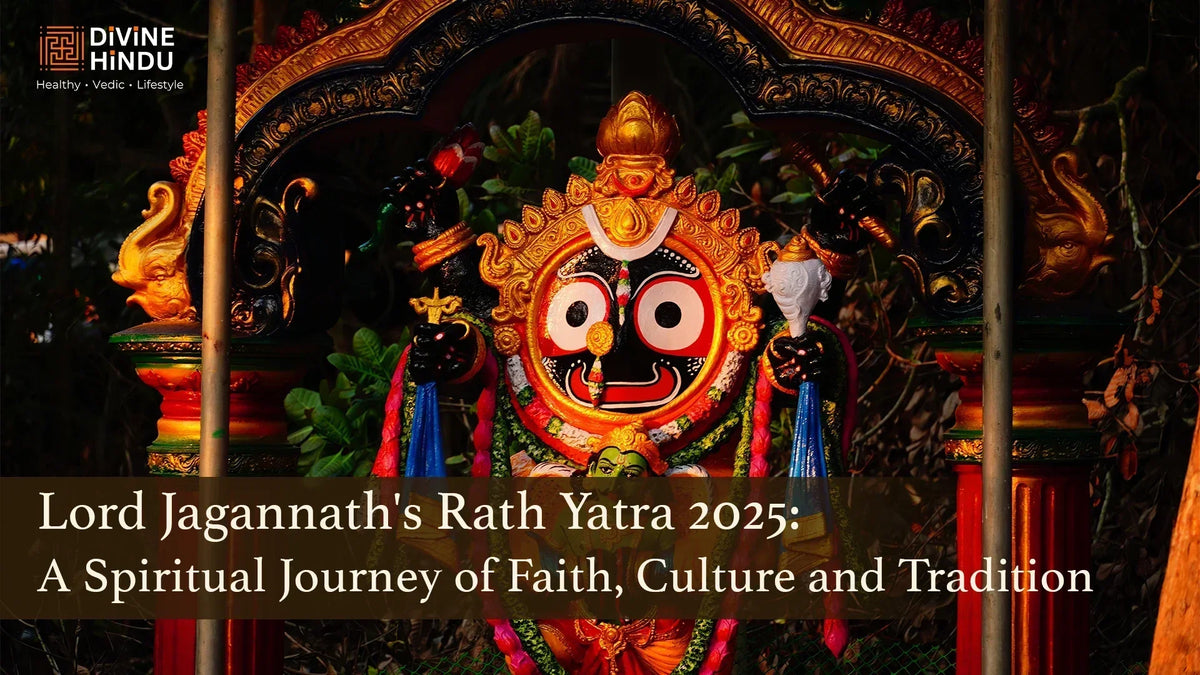
Jagannath Rath Yatra 2026, also known as the "Jagannath Puri Yatra", is one of the biggest and most significant festivals in India. Celebrated every year in Puri, Odisha, this grand event glorifies Lord Jagannath, a form of Lord Vishnu, along with his elder brother Balabhadra and his sister Subhadra. In 2026, the Puri Rath Yatra falls on Thursday, 16 July 2026 - a rare and especially auspicious Nabakalebar year. This article covers everything you need to know about the festival.
The Divine Hindu App is here.
Chat free with top astrologers for your first 5 minutes every week, generate your Kundli, book temple Puja & Chadhava, and check today's Panchang — all in one app.
What Is Rath Yatra?
Rath Yatra is a ceremonial procession of the deities from the Jagannath Temple to the Gundicha Temple, believed to be the home of their aunt. The deities travel in three gigantic, beautifully carved wooden chariots known as raths, drawn by thousands of devotees. Pulling the chariots is considered highly auspicious and is said to bring divine blessings. Scriptures such as the Skanda Purana describe this journey as the greatest of Lord Jagannath's twelve annual yatras. It is said that anyone who beholds the deities on their chariots during this journey has their sins forgiven and receives blessings.
In 2026, the Jagannath Rath Yatra begins on 16 July, aligning with the Dwitiya Tithi of Shukla Paksha in the month of Ashadha. The festival is unique for its inclusivity - everyone, regardless of caste or creed, can pull the chariot ropes and seek the blessings of Lord Jagannath, whose name means "Lord of the Universe." (Please confirm exact ritual muhurat timings with your local panchang.)
The Spiritual Significance of Rath Yatra 2026
Rath Yatra is not merely a religious procession; it is a demonstration of divine love, devotion and faith. Here is why it holds such deep spiritual importance:

The Symbolism of Lord Jagannath's Journey:
Lord Jagannath's procession symbolises the journey of life. The ride in the chariot mirrors the highs and lows of human existence, as well as the cycle of life and death. For devotees, it signifies that the path to spiritual awakening requires effort, dedication and humility.
Unity and Equality:
One of the most significant messages of Rath Yatra is its celebration of unity and equality. People from all walks of life, social classes and faiths come together to draw the chariots as one. This inclusivity embodies the spirit of Hinduism, transcending differences and fostering unity among humanity.
Devotion to God:
Rath Yatra gives devotees an opportunity to demonstrate their unshakable devotion to Lord Jagannath. Pulling the chariots is considered an act of great spiritual merit and a way to offer prayers and receive blessings. It is believed that such participation washes away one's sins.
A Divine Invitation:
Rath Yatra is a summons from Lord Jagannath to his followers - a spiritual invitation to draw near the divine. The procession reminds us that God is omnipresent and that his blessings are always within reach for those who seek them.
Date and Duration of Puri Rath Yatra 2026
Jagannath Rath Yatra 2026 commences on Thursday, 16 July 2026. The return journey, known as the Bahuda Yatra, takes place on Friday, 24 July 2026, when the deities travel back to the Jagannath Temple. 2026 is a special Nabakalebar year, in which the deities receive newly carved forms - an event that occurs only once every 12 to 19 years.
Key Rituals of Puri Rath Yatra 2026
The festival unfolds through a sequence of sacred rituals. The main verified dates are the Rath Yatra on 16 July 2026 and the Bahuda Yatra (return journey) on 24 July 2026. Other observances - including Snana Purnima (the ceremonial bathing of the deities), Anavasara (the period of seclusion), Gundicha Marjana (cleaning of the Gundicha Temple), Hera Panchami, Suna Besha and Niladri Bije - take place around these dates. Please confirm the exact dates and timings of each ritual with your local panchang.
Rituals Observed During Rath Yatra
The Rath Yatra begins on the second day of Ashadha Shukla with the morning rituals of Mangal Alati, Abakash and Khichdi Bhog. The Managalarpana ritual follows, in which the deities are brought in a ceremonial procession to step into their respective chariots.
1. Chhera Pahara
Once the deities are seated in the chariots, the Chhera Pahara ceremony is performed. The Gajapati King of Puri, regarded as the first servitor of Lord Jagannath, is escorted from the palace to the chariots. He offers camphor aarti with a golden diya, sweeps the chariots with a golden broom and sprinkles sandalwood water.

2. Pulling the Chariots
After the Chhera Pahara ceremony, each chariot is decorated with four wooden horse idols, and the Kahala servitor blows a trumpet to signal the start of the Yatra. The chariots are then drawn through the streets by thousands of devotees with thick ropes, amid chants, music and joyful cries. The chariots are pulled to the Gundicha Temple, approximately 3 kilometres from the Jagannath Temple, where the deities reside for seven days amid numerous rituals and celebrations.
3. Hera Panchami
During the deities' stay at Gundicha Temple, the unique Hera Panchami ceremony is observed on the fifth day after Rath Yatra. According to tradition, Goddess Lakshmi, feeling neglected after Lord Jagannath departs without her, travels to the Gundicha Temple insisting he return early. To soothe her, he offers her a garland of assurance (agyan mala). The ritual playfully depicts her displeasure and her return to the main temple.
4. Bahuda Yatra
After nine days, it is time for the deities to return home. This return journey is known as the Bahuda Yatra or Dakshinabhimukhi Yatra, observed on 24 July 2026. The chariots are pulled back to the Jagannath Temple with the same passion and excitement. On the way, they halt at the Mausi Maa Temple, dedicated to Goddess Ardhasini, where the traditional Poda Pitha (a special pancake) is offered.
5. Niladri Bije
Niladri Bije is the final ritual of the Shree Jagannath Yatra. In a grand ceremonial procession, the four deities return to their thrones inside the temple, marking the joyful end of the divine visit.
FAQs: Jagannath Rath Yatra 2026
When is Jagannath Rath Yatra in 2026?
Jagannath Rath Yatra 2026 falls on Thursday, 16 July 2026, with the Bahuda Yatra (return journey) on Friday, 24 July 2026. Confirm exact ritual timings with your local panchang.
Why is Rath Yatra 2026 special?
2026 is a rare Nabakalebar year, when the deities of Puri receive newly carved wooden forms - an event that occurs only once every 12 to 19 years, making this Rath Yatra especially auspicious.
What is the significance of pulling the chariots?
Pulling the chariot ropes is open to all, regardless of caste or creed, and is believed to be an act of great spiritual merit that washes away one's sins and brings the blessings of Lord Jagannath.
Conclusion
Rath Yatra is far more than a religious event; it is a celebration of the spirit of devotion, culture and tradition that has thrived in India for generations. As the chariots pass, we are reminded of the timeless values that unite us all - love, compassion and faith. The Jagannath Rath Yatra 2026 is a chance to connect with something greater than ourselves and to be part of something ancient and sacred. Invite Lord Jagannath's blessings into your home with Divine Hindu's Divine Jagannath Pocket Temple.
You May Also Like :
Murugan Idols: Symbolism & Spiritual Meaning Explained
Nirjala Ekadashi 2026: Date, Vrat Katha & Rituals Guide
Ganga Dussehra 2026 : Significance, Rituals & How to Celebrate
Top 5 Gemstones for Inner Healing and Peace
7 Powerful Lord Shiva Mantras for Peace & Spiritual Growth


