 Cow Shelter/Donation

The Rudraksha Tree: Benefits, Growth & Uses Explained
June 27, 2024
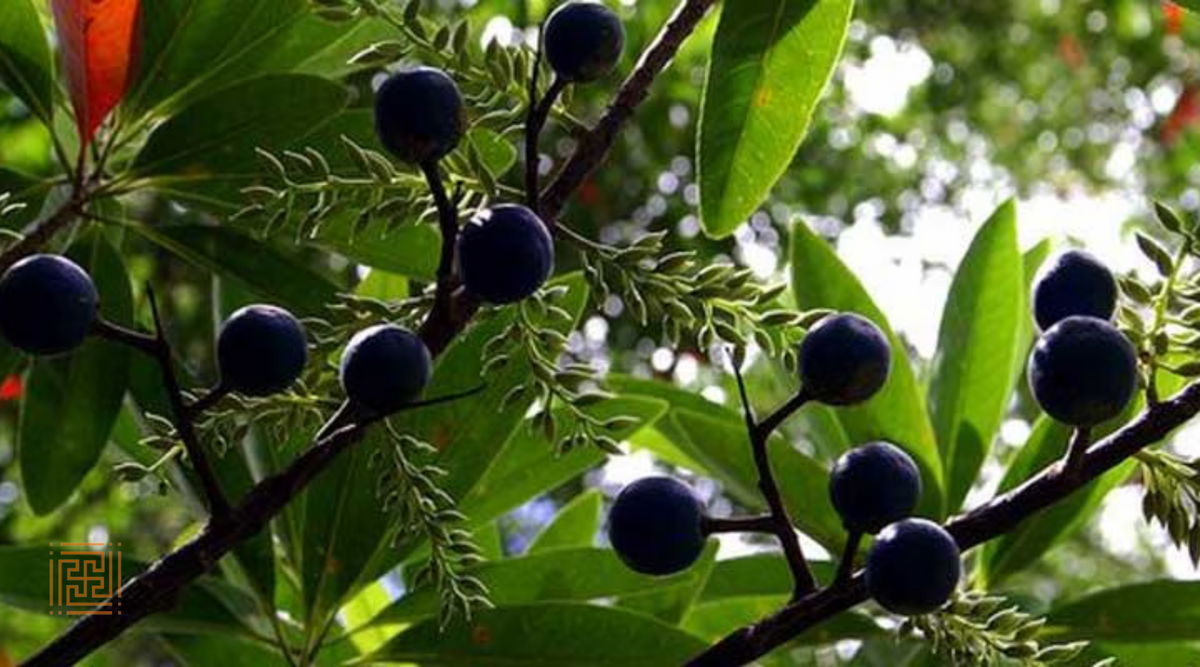
The Rudraksha tree, often referred to as Blueberry Ash, is a large evergreen tree celebrated for its spiritual and medicinal significance. Its seeds become the sacred Rudraksha beads worn by devotees worldwide. Let’s delve into the fascinating world of the Rudraksha tree, exploring its characteristics, benefits, and how you can grow one at home.
The Divine Hindu App is here.
Chat free with top astrologers for your first 5 minutes every week, generate your Kundli, book temple Puja & Chadhava, and check today's Panchang — all in one app.
Characteristics of the Rudraksha Tree
Appearance
The Rudraksha tree is a majestic evergreen with broad leaves. It stands tall and proud, exuding an aura of serenity and peace.
Leaves
The leaves of the Rudraksha tree resemble those of the mango tree. They are believed to possess antibacterial properties, making them useful for treating wounds.
Flowers
The flowers of the Rudraksha tree bloom in clusters and are white. They appear around November to December.
Growth and Development of the Rudraksha Tree
The tree typically takes 3-5 years to start blooming after it begins growing.
Fruit Bearing
Rudraksha fruits begin to appear in mid-January during the winter season. Initially green, they turn blue upon ripening. The size of the fruit varies depending on the locality.
Geographical Distribution
Natural Habitat
The Rudraksha tree is predominantly found in the Himalayan regions, especially in areas like Haridwar and Dehradun. It also grows in parts of Nepal, Indonesia, and Malaysia.
Areas of Cultivation
In India, Rudraksha trees are commonly cultivated in Assam, Bihar, and Haridwar. The seeds from these trees are known as Rudraksha beads and hold immense religious significance.
Rudraksha Fruits
Rudraksha fruits are berry-shaped and start off green before turning blue when ripe. They are about the size of marbles and have a fleshy exterior.
Ripening Process
The fruits ripen around the beginning of the rainy season in June. When ripe, they turn a bluish-black colour and eventually brown when dry.
Uses
The outer part of the Rudraksha fruit has medicinal properties. The seeds within, once cleaned and processed, become the Rudraksha beads used as prayer beads in Hinduism.
Health and Spiritual Benefits of Rudraksha Beads
Spiritual Benefits
- Enhanced Meditation: Rudraksha beads are believed to improve concentration and focus during meditation.
- Spiritual Growth: They are said to aid spiritual development and the attainment of higher states of consciousness.
- Protection: These beads are often worn to guard against negative energies and promote mental clarity.
Health Benefits
- Stress Relief: Wearing Rudraksha beads is believed to help reduce stress, anxiety, and low mood.
- Heart Health: They are thought to help stabilise the heartbeat and support healthy blood pressure.
- Anti-Inflammatory: Some traditions suggest that Rudraksha beads have anti-inflammatory properties.
- Holistic Healing: They are believed to balance the chakras and enhance the body's overall energy field.
How to Grow Rudraksha at Home
Growing a Rudraksha tree at home can be a rewarding experience. Here is a simple air-layering guide to help you get started.
- Peeling the Bark: Start by peeling the skin off a 2-inch area on the bark. Cut just below the nodal region using a sharp knife.
- Scratching the Bark: Scratch the bark a few times to stimulate fresh growth.
- Air Layering Process: Use balls of moss soaked in water and covered in cinnamon powder or honey. Apply the moss ball to the skinned bark area.
- Wrapping and Maintaining Moisture: Cover the moss ball with a plastic sheet and secure it with string to retain moisture until roots develop.
Rudraksha Trees in India
Rudraksha trees are found in various regions of India, including Assam, Bihar, and Haridwar.

Cultivation Practices
Indian varieties of Rudraksha beads often have a natural hole, and in some cases they are manually drilled, which can desecrate the bead if not done carefully.
Varieties of Rudraksha Beads
Popular Varieties
The most popular varieties are found in Nepal and India, particularly in Kathmandu and the Arun Valley region in Nepal, and Kulu and Rameshwaram in India.
Differences in Beads
Rudraksha beads vary in size and shape, with different varieties offering unique spiritual and health benefits.
Frequently Asked Questions
How long does a Rudraksha tree take to bear fruit?
A Rudraksha tree typically takes around 3-5 years to start blooming and bearing fruit after it begins growing, though this can vary with climate and care.
Where does the Rudraksha tree grow?
It grows mainly in the Himalayan foothills, including Haridwar and Dehradun in India, as well as parts of Nepal, Indonesia, and Malaysia.
Can I grow a Rudraksha tree at home?
Yes. With a warm, humid climate and methods like air layering, you can propagate a Rudraksha tree at home, though it needs patience and consistent care.
Conclusion
The Rudraksha tree is not just an ordinary tree; it is a symbol of spirituality, health, and ecological balance. From its leaves to its seeds, every part of this tree offers numerous benefits. Growing a Rudraksha tree at home can bring these benefits closer to you while connecting you to a rich cultural heritage.
Bring home the blessings of the Rudraksha tree - explore our authentic Nepali Rudraksha collection.
Suggested Reading: "Rudraksha Origin Story"


