 Cow Shelter/Donation

Chaitra Navratri: How the Spring Navratri Differs, Ghatasthapana and the Road to Ram Navami
September 03, 2026
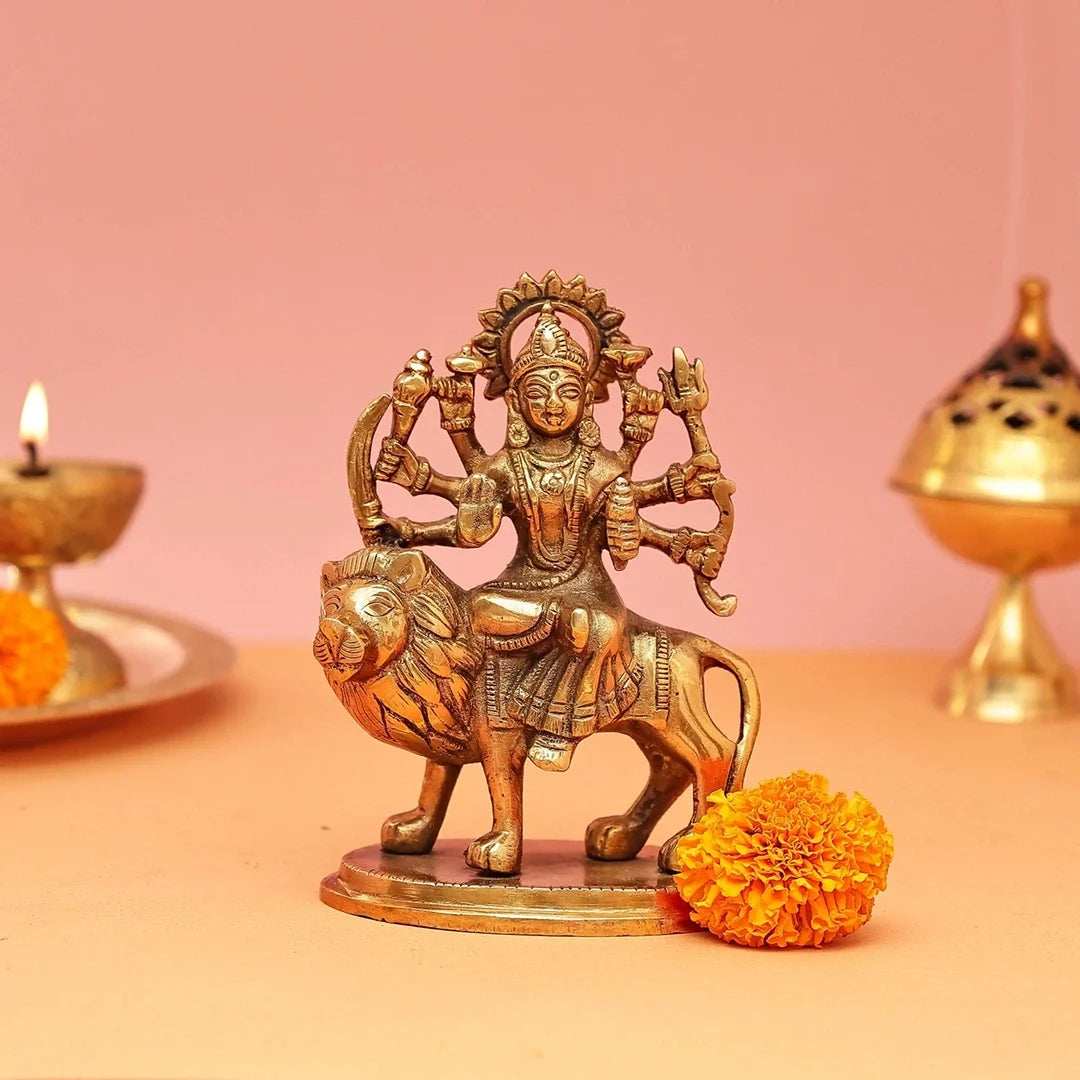
Chaitra Navratri is the spring Navratri, kept over nine tithis from Chaitra Shukla Pratipada to Chaitra Shukla Navami. It shares its structure with the better-known autumn Navratri: Ghatasthapana on the first day, the nine forms of the Devi worshipped in sequence, a household lamp kept through the period. What sets it apart is where it starts and where it ends. It opens on the same morning as Gudi Padwa and Ugadi, and it closes on Ram Navami rather than on Vijayadashami. Confirm the tithis against a current panchang for your own city.
Why there are two big Navratris and not one
The Devi is traditionally worshipped at the two joints of the year, the transition into spring and the transition into autumn. These are the sandhi kaal of the seasons, and the older texts describe them as periods when the body and the mind are unsettled and worship and restraint are correspondingly recommended. That is the reason the same nine-night pattern repeats twice, roughly six lunar months apart.
Of the two, autumn Navratri became the great public festival: Durga Puja in Bengal, garba and dandiya in Gujarat and Maharashtra, Golu in Tamil Nadu, Dussehra processions almost everywhere. Chaitra Navratri stayed largely indoors. In much of North India it is kept as a quiet household vrat; in Maharashtra and the Deccan it is folded into the new year; in parts of the country it barely registers as a festival at all and is simply the run-up to Ram Navami.
Chaitra Navratri and Sharad Navratri compared
| Chaitra Navratri | Sharad Navratri | |
|---|---|---|
| Lunar month | Chaitra, Shukla Pratipada to Navami | Ashwin, Shukla Pratipada to Navami |
| Season | Spring, vasanta | Autumn, sharad |
| Other names | Vasant Navratri, Basanta Navratri, Rama Navratri | Sharad Navratri, Maha Navratri, Durga Puja period |
| Day one coincides with | Gudi Padwa and Ugadi, the lunar new year | The start of the autumn festival season |
| Concludes on | Ram Navami, Chaitra Shukla Navami | Vijayadashami, Ashwin Shukla Dashami |
| Public character | Mostly a household observance | Large public and community festival |
| Common regional emphasis | North India, Maharashtra, Deccan | Nationwide, with strong regional forms |
One consequence of the table worth noting: because Chaitra Navratri ends on Navami and Sharad Navratri runs one tithi further to Dashami, the autumn observance has a tenth day of victory and the spring one does not. The spring nine days resolve into a birth rather than a battle.
Ghatasthapana: how the nine days formally begin
Ghatasthapana, also called Kalash Sthapana, is the act that opens Navratri. It is not decoration; it is an invocation, and the traditional view is that the nine days do not properly start until it is done. The elements are consistent across regions even where the details differ.
- The soil bed. Clean soil is spread in a shallow earthen or metal vessel and barley or another grain is sown in it. This is watered daily and the sprouts, called jayanti or khetri, are treated as an auspicious sign at the end.
- The kalash. A metal pot is filled with water, often with a coin, akshata, betel nut and a few leaves inside. Five or seven mango leaves are set around the rim and a coconut wrapped in cloth is placed on top.
- The invocation. A sankalpa is taken naming the household and the purpose, and the Devi is invoked into the kalash.
- The akhand jyoti. Many families keep a lamp burning continuously for the nine days. This is optional and demands a safe, sheltered position and someone at home. Never leave an unattended flame near cloth, curtains or a fan.
The timing of Ghatasthapana is customarily fixed by the panchang rather than by convenience, and households that want the fuller vidhi usually ask a family priest to guide the first morning. Our step-by-step guide to Kalash Sthapana sets out the sequence in detail.
The nine days and the nine forms
The Navadurga sequence is the same in both Navratris and is the constant that ties them together. The forms are worshipped in this order: Shailaputri, Brahmacharini, Chandraghanta, Kushmanda, Skandamata, Katyayani, Kalaratri, Mahagauri and Siddhidatri. Our nine-day Devi worship guide covers the mantra and the traditional offering associated with each form, and everything there applies equally to Chaitra.
The nine daily colours that circulate every autumn are a different matter. They are a modern convention, tied to the weekday on which the first day falls, and they are published fresh each year. Some households carry them into Chaitra Navratri, most do not, and nothing in the older tradition requires them.
Ashtami and Navami carry the same weight in spring as in autumn. Kanya pujan, in which young girls are invited, fed and given a small gift, is performed on Ashtami or Navami depending on family custom. Where the household is also observing Ram Navami, the Navami morning tends to belong to the Devi and the midday to Shri Rama.
The link with Ram Navami
Ram Navami falls on Chaitra Shukla Navami, which is the ninth and final day of Chaitra Navratri. This is not a coincidence of the calendar so much as the reason the spring Navratri has the shape it does. The Ramayana itself is traditionally read into the period: Shri Rama is described as having worshipped the Devi before the war, and the nine nights leading to his birth observance are read in many households as the Devi preparing the ground.
In practice this means Chaitra Navratri households often run two threads at once. Devi worship, the kalash and the vrat carry the mornings; Ramcharitmanas or Ramayana recitation, often the Sundarkand, carries the evenings. On the final day the two meet. Our guide to Ram Navami puja vidhi covers the ninth day on its own terms.
How to keep Chaitra Navratri at home
- Fix the dates from a panchang set to your city before anything else. Note the Ghatasthapana window, Ashtami, Navami and the tithi on which you intend to break the vrat.
- Clean the shrine and the room a day ahead. If the household also raises a gudi or prepares bevu-bella, that happens the same morning; see our guide to Gudi Padwa and Ugadi.
- Do Ghatasthapana in the prescribed window. Soil bed, grain, kalash, coconut, sankalpa, lamp.
- Settle what the vrat will actually be. Some keep nirjala or single-meal fasts, some eat only phalahar, many simply avoid grain, onion and garlic. Choose honestly. Anyone who is unwell, pregnant, elderly or on medication should not attempt a strict fast, and should follow medical advice over custom.
- Water the grain bed daily and keep the lamp attended.
- Read or chant something every day. Durga Saptashati, the Devi Kavach or a simple mantra japa on a mala. Our collection of Durga mantras gives options at several lengths.
- Do kanya pujan on Ashtami or Navami as your family observes it.
- Close the observance with the visarjan of the kalash water and the sprouts, done respectfully in flowing water or at the base of a plant rather than in a bin.
What households usually need
The requirements are modest and most of them are already in the house. A clean earthen or brass vessel for the grain, a kalash, mango leaves, a coconut, a lamp with ghee or oil, akshata, haldi and kunku, flowers, and whatever the family offers as naivedya. Where something needs replacing, the practical categories are kalash and puja accessories, diyas and lamps and, for households that keep a mala for the daily japa, an authentic japa mala. A mala used for Devi japa is customarily kept for that purpose alone and not worn casually.

Everything described here is customary observance, and practice varies genuinely and legitimately from region to region and family to family. Where your household tradition differs from this article, your household tradition is the one to follow.
Chaitra Navratri: Frequently Asked Questions
What is the difference between Chaitra Navratri and Sharad Navratri?
Both run for nine tithis from Shukla Pratipada to Navami and both are dedicated to the nine forms of the Devi. Chaitra Navratri falls in the lunar month of Chaitra at the start of spring and concludes on Ram Navami. Sharad Navratri falls in the lunar month of Ashwin in autumn and concludes on Dashami as Vijayadashami. Sharad Navratri is the larger public festival in most of India, while Chaitra Navratri is observed more quietly at home in many regions.
Does Chaitra Navratri begin on the same day as Gudi Padwa and Ugadi?
Yes. Chaitra Shukla Pratipada is simultaneously the Maharashtrian and Deccan new year and the first day of Chaitra Navratri, which is why Ghatasthapana and the raising of the gudi commonly happen in the same household on the same morning. Confirm the tithi against a current panchang for your own city.
What is Ghatasthapana?
Ghatasthapana, also called Kalash Sthapana, is the installation of a water pot on the first day that marks the formal beginning of the nine days. A bed of soil is prepared, barley or other grain is sown in it, a kalash is placed with water, a coin, betel, mango leaves and a coconut, and the Devi is invoked in it. The sprouted grain, called jayanti or khetri, is traditionally treated as an auspicious sign at the end of the nine days.
How is Chaitra Navratri connected to Ram Navami?
Ram Navami falls on Chaitra Shukla Navami, which is the ninth and final day of Chaitra Navratri. In practice this means the Navratri that begins with the Devi ends with the birth observance of Shri Rama, and many households keep both threads running through the nine days, with Devi worship in the morning and Ramayana recitation in the evening.
Do the nine colours apply to Chaitra Navratri as well?
The nine daily colours are a modern convention that grew up mainly around Sharad Navratri in Gujarat and Maharashtra, and the sequence is published fresh each year because it is tied to the weekday on which the first day falls. Some households carry the same idea into Chaitra Navratri and many do not. The nine Devi forms, Shailaputri through Siddhidatri, are the constant across both.
How many Navratris are there in a year?
Traditionally four. Chaitra Navratri in spring and Sharad Navratri in autumn are the two that are widely observed. Two further Gupt Navratris, in the months of Magha and Ashadha, are kept privately by practitioners of specific sadhanas and are not public festivals.
When does a Chaitra Navratri fast end?
Custom varies. Some households break the fast on Ashtami after kanya pujan, some on Navami after Ram Navami worship, and some continue to Dashami. Anyone fasting should treat it as a personal and family decision and should not attempt a strict fast against medical advice, during pregnancy or while unwell.
Can Ghatasthapana be done at home without a priest?
Many families do it themselves with a simple sankalpa, the kalash, the grain bed and a daily lamp. Households that want the fuller vidhi with specific mantras or that are observing the vrat for the first time often ask a family priest to guide the first morning. Either way, the timing is customarily fixed by the panchang rather than by convenience.


