 Cow Shelter/Donation

Which Hand & Which Day: How to Wear a Karungali Mala
August 07, 2026
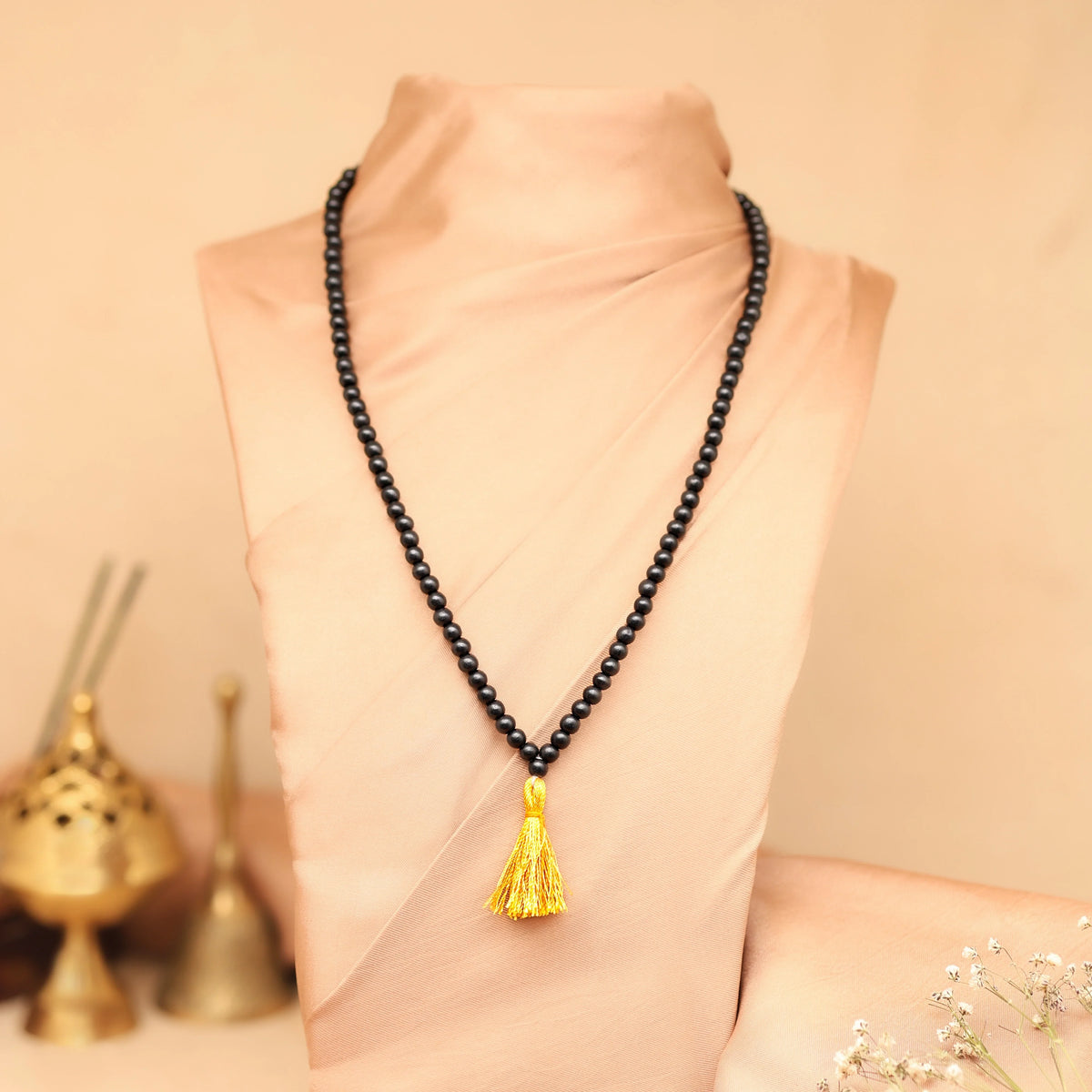
Tradition recommends wearing a karungali mala in the right hand (seedha haath) if you wear it as a bracelet, or around the neck, and starting on a Tuesday or Saturday — the days associated with Mangal (Mars) and Shani (Saturn). This guide answers only the timing and placement questions — karungali mala kis haath aur kis din pehne — along with the purification vidhi followed in Tamil tradition. For japa technique and long-term care see how to wear and care for a karungali mala; for bracelet sizing and fit see the karungali bracelet guide.
The Divine Hindu App is here.
Chat free with top astrologers for your first 5 minutes every week, generate your Kundli, book temple Puja & Chadhava, and check today's Panchang — all in one app.
Which Hand Should You Wear a Karungali Mala On?
For a karungali bracelet or wrist mala, tradition recommends the right hand, which in Hindu custom is considered the shubh (auspicious) hand used for puja, daan and japa. A full-length karungali mala is most commonly worn around the neck, where it rests near the heart.
That said, this is a custom and not a strict rule — practices vary by community and teacher. Kai log left hand mein bhi pehente hain, especially if the right hand is used heavily for work; many South Indian elders simply say the mala should be worn with shraddha (faith), and the hand matters less than the bhaav. If you use the mala for counting mantras, tradition does recommend holding it in the right hand during japa, moving the beads with the thumb and middle finger. For japa-specific malas with a meru (head bead), see our karungali jaap mala collection.
Does the hand rule change for men and women?
You will hear both answers. The older pan-Indian custom applies the right hand to everyone, on the reasoning that the right hand is the ritual hand regardless of who is wearing it. A widely followed convention in jewellery practice puts men on the right wrist and women on the left. Neither is wrong. In Tamil karungali practice the more common instruction is simply the right hand for anyone doing japa, and personal comfort for anyone wearing it for raksha. Follow your family or your guru’s instruction over any general rule.
Which Day Is Best to Start Wearing Karungali?
Tradition holds that Tuesday (Mangalvar) and Saturday (Shanivar) are the most auspicious days to begin wearing karungali, because the sacred ebony wood is associated with the energy of Mars and the discipline of Saturn. Many devotees also choose Monday, Shiva's day, since karungali is closely linked with Shiva worship in Tamil tradition.
Beyond the weekday, elders often suggest starting on a spiritually charged tithi — Amavasya, Pournami (full moon), Pradosham or during festivals like Shivratri. Agar aap muhurat nahi nikal sakte, toh koi bhi din chalega — the traditional view is that a sincere beginning with a clean body and calm mind matters more than the perfect date.
Which day for which intention?
Where devotees do choose deliberately, the reasoning usually runs like this. Tuesday is chosen when the intention is protection and courage, through the association with Mangal and with Hanuman. Saturday is chosen when the intention is discipline, patience or relief from Shani’s pressure. Monday is chosen by Shiva devotees and for a general sadhana rather than a specific request. Pradosham and Shivratri are chosen when the mala is being taken up as part of a longer vow. None of these is a requirement — they are how the tradition reasons, not a rule it enforces.
Time of day
The usual instruction is to wear it in the morning after bathing, facing east, before eating. Brahma muhurat — the stretch before sunrise — is considered especially good by those who can manage it. If your day does not allow that, evening after a bath and before the lamp is lit is the common alternative. We would rather you begin at a realistic hour than postpone indefinitely waiting for an ideal one.
Karungali Mala Kaise Pehne? Step-by-Step Vidhi
The traditional way to wear a karungali mala for the first time is simple and can be done at home:
1. Clean the mala: rinse it briefly in clean water, or wipe it with a damp cloth. Karungali is dense ebony wood — do not soak it for long, and dry it fully afterwards.
2. Purify and energise: place the mala in your puja sthal, light a diya and some sambrani or agarbatti, and pass the mala gently through the incense smoke. Devotees in Tamil tradition often place it at the feet of Shiva or Murugan's image overnight.
3. Chant a mantra: chant "Om Namah Shivaya" 11, 21 or 108 times while holding the mala, setting your sankalpa (intention) — protection, focus, ya negativity se raksha.
4. Wear it after bathing: on your chosen day, wear the mala after your morning bath, facing east. Neck ke liye full mala, wrist ke liye bracelet — dono tradition mein accepted hain.
You can explore original, govt lab tested ebony malas in our karungali malai collection — from simple daily-wear malas to 108-bead japa malas.
When Devotees Traditionally Remove It
Placement customs have a matching set of removal customs, and they are the part people most often ask about.
During ashaucha: many families remove the mala during periods considered ritually impure in their tradition, such as a death in the family. This varies considerably by community — follow your family's custom rather than a general rule.
Sleeping and eating: most traditions permit wearing karungali while sleeping and eating, unlike some stricter rules applied to certain Rudraksha practices. Agar aapke guruji ne koi specific niyam bataya hai, toh unka palan karein.
Water: remove it before swimming or a long shower. Day-to-day care, oiling and restringing are covered in the care guide.
A word of honesty: karungali wearing is a practice of devotion and traditional belief. Tradition associates it with protection from negativity and mental steadiness, but these are matters of faith, not guaranteed outcomes — the mala supports your sadhana, it does not replace effort, planning or medical care.
If You Miss the Day You Planned
This is the most common real-world question and it has a simple traditional answer. Nothing is lost. Wear it on the next Tuesday, Saturday or Monday, or on the day you actually manage a bath and a quiet ten minutes. A mala begun on an ordinary Thursday with full attention is treated in tradition as better placed than one begun on a perfect Pradosham in a rush. The sankalpa is the part that matters.
FAQs:
Karungali mala kis haath mein pehne?
Tradition recommends the right hand for a karungali bracelet, as the right hand is considered auspicious for puja and japa. However, this is a custom, not a strict rule — practices vary by community, and wearing it on the left hand or around the neck is also accepted.
Which day should I start wearing karungali mala?
Tradition holds Tuesday and Saturday as the most auspicious days, due to karungali's association with Mars and Saturn. Monday, Shiva's day, is also popular. If no special day is possible, any day begun with a bath, a diya and a sincere mantra is considered acceptable.
What time of day should karungali be worn for the first time?
The usual instruction is the morning after bathing, facing east and before eating, with Brahma muhurat before sunrise considered especially good. Where that is not practical, after an evening bath and before the lamp is lit is the common alternative.
What if I miss the auspicious day I had planned?
Nothing is lost. Wear it on the next Tuesday, Saturday or Monday, or on whichever day you can manage a bath and a quiet few minutes. Tradition treats a sincere sankalpa as more important than a perfect date.
Do I need to energise the karungali mala before wearing?
Tradition recommends a simple vidhi: clean the mala, pass it through sambrani or agarbatti smoke, place it in your puja sthal, and chant "Om Namah Shivaya" 11, 21 or 108 times before wearing it on your chosen day.


