 Cow Shelter/Donation

Karungali Bracelet: Benefits & How to Wear
July 18, 2026
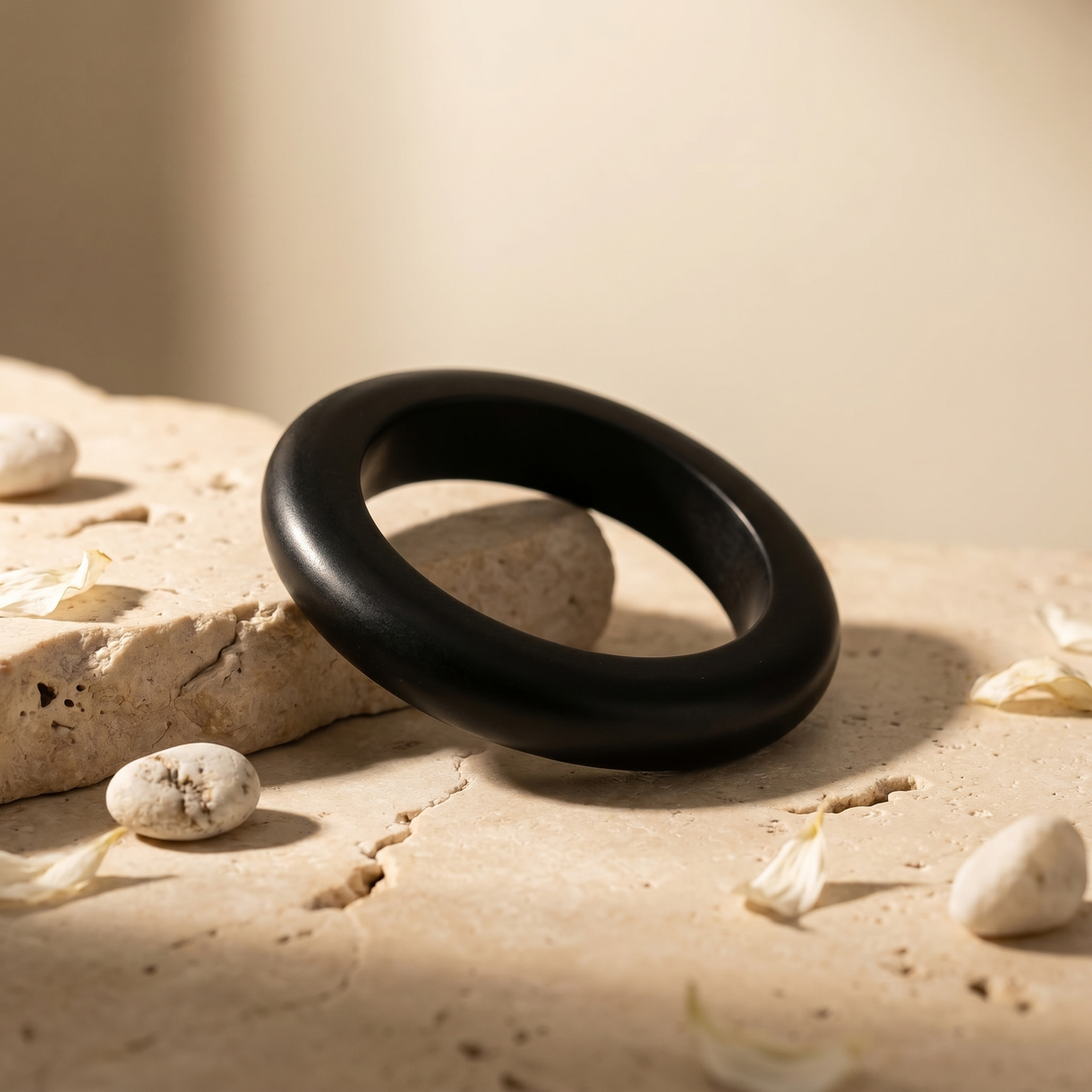
The karungali bracelet benefits have made this black ebony wood accessory one of the most loved spiritual pieces in South Indian tradition. Crafted from sacred karungali (Diospyros ebenum) wood, the bracelet is worn for its associations with protection, grounding and calm. This guide covers the traditional benefits and then the part a mala guide cannot answer: how a bracelet actually fits and behaves on the wrist — sizing, thread type, and living with it through a normal working day.
The Divine Hindu App is here.
Chat free with top astrologers for your first 5 minutes every week, generate your Kundli, book temple Puja & Chadhava, and check today's Panchang — all in one app.
What Is a Karungali Bracelet?
A karungali bracelet is a short strand of polished beads made from black ebony heartwood, a dense and naturally dark timber revered in South India. The wood is traditionally linked to Lord Hanuman and Lord Shiva and has long been used in malas and bracelets by devotees seeking protection and steadiness. To understand the wider tradition behind the wood, read about the mystical powers of karungali.
Karungali Bracelet Benefits
Protection and Positivity
Karungali is traditionally believed to act as a shield against negative energy, which is why the bracelet is popular for daily wear and travel.
Grounding and Calm
Devotees associate the wood with grounding and emotional balance, making the bracelet a gentle companion for stress and restlessness.
Support for Focus and Discipline
Because karungali is linked to the disciplined energies of Hanuman and Shani, many wearers feel it supports focus and steady resolve.
| Benefit | Traditionally Associated With |
|---|---|
| Protection | Shielding from negativity |
| Grounding | Emotional balance and calm |
| Focus | Discipline and concentration |
| Well-being | Sense of steadiness and confidence |
Why Choose the Bracelet Format
A full mala and a bracelet carry the same wood and the same tradition, so the choice between them is practical rather than spiritual. A bracelet is visible, light and never in the way — it survives a commute, a shirt collar and a day of typing in a way a neck mala does not. It is the form most Tamil devotees wear for raksha (protection) simply because it is the form that stays on. A 108-bead mala remains the better choice if your main use is counting mantras, and many devotees keep both: the japa mala at the puja sthal, the bracelet on the wrist.
Getting the Fit Right
Fit is the single thing people get wrong when buying a bracelet online, and an ill-fitting one ends up in a drawer regardless of how good the wood is.
- Measure before you buy. Wrap a strip of paper or a tape around the wrist just below the wrist bone, mark where it meets, and measure the length flat. That figure is your wrist size.
- Add a little ease. A bracelet cut exactly to wrist size will bind. Roughly a finger’s width of slack is what most wearers find comfortable — enough that it slides about an inch but will not pass over the hand.
- Bead size changes the feel. Smaller beads sit closer and disappear under a sleeve; larger beads are more visible and more substantial but need slightly more room to sit comfortably. Neither is more traditional than the other.
- Wrists swell. Most people’s wrists are largest in hot weather and late in the day. Size for your largest wrist, not your smallest.
Elastic or knotted thread?
Most karungali bracelets are strung one of two ways. Elastic slips on and off without a clasp, which is convenient and forgiving of a slightly wrong size — but elastic is the part that fatigues, and it should be checked periodically and replaced before it gives way. Knotted thread with a fastening lasts far longer and holds its shape, but must be sized correctly at the outset. If you intend to wear the bracelet continuously for years, knotted is the more durable choice; if you take it on and off daily, elastic is easier to live with.
Wearing It Through a Normal Day
- Which wrist: as commonly practised, men wear it on the right and women on the left, though comfort and family custom vary. The reasoning behind this, and the auspicious days to begin, are covered in our which hand and which day guide.
- Handwashing: the most frequent water contact a bracelet gets. Push it up the forearm before washing rather than removing it each time, and pat it dry with the towel afterwards.
- Gym and sport: take it off. Sweat, weights and impact are hard on both the wood and the thread.
- Alongside a watch: wear it on the opposite wrist if you can. A metal watch case rubbing against ebony will dull the polish over months.
- Typing and desk work: a bracelet rests on the desk edge for hours a day, which is where most surface wear comes from. Rotating it occasionally spreads that wear evenly.
- Sleeping: most traditions permit it. If yours is elastic and slightly loose, taking it off at night meaningfully extends its life.
Caring for Your Karungali Bracelet
- Keep it away from water, perfume, soap and harsh chemicals, as ebony can dry and crack.
- Wipe gently with a soft, dry cloth after wear.
- Apply a small amount of natural oil (such as coconut or sandalwood oil) occasionally to restore shine — keep the oil off elastic, which it degrades.
- Store it in a soft pouch away from direct sunlight when not in use, laid flat rather than stretched over anything.
For japa technique, deeper cleaning and restringing a 108-bead strand, see our karungali mala wearing and care guide, and the karungali mala complete guide for the tradition as a whole.
Buying a Genuine Bracelet
Because bracelets use less wood than a mala, they are the format most often faked with dyed lightweight timber. The full set of checks — the water test, the grain, the scent, the certificate — is in our guide on how to check original karungali malai. The short version for a bracelet specifically: it should feel noticeably heavier than the size suggests, and the colour should be consistent where the beads are drilled, not just on the polished surface.
Frequently Asked Questions
What are the main karungali bracelet benefits?
Traditionally, the bracelet is associated with protection from negativity, grounding, emotional calm and support for focus and discipline. These are matters of belief rather than guaranteed outcomes.
How should a karungali bracelet fit?
Measure your wrist with a strip of paper just below the wrist bone, then allow roughly a finger's width of ease so the bracelet slides about an inch without passing over the hand. Wrists are largest in hot weather and late in the day, so size for your largest wrist rather than your smallest.
Is elastic or knotted thread better for a karungali bracelet?
Elastic is easier to put on and forgiving of a slightly wrong size, but it fatigues over time and should be replaced before it gives way. Knotted thread lasts considerably longer and holds its shape, but has to be sized correctly at the outset. Choose knotted for continuous long-term wear and elastic if you take the bracelet off daily.
Can I wear a karungali bracelet every day?
Yes. Many devotees wear it continuously. Push it up the forearm when washing hands rather than removing it, take it off for the gym, and keep it away from perfume and chemicals to protect the ebony wood.
Should I wear a bracelet or a full mala?
Both carry the same wood and the same tradition, so the choice is practical. A bracelet is lighter, more visible and survives a working day, which is why it is the form most commonly worn for daily protection. A 108-bead mala is the better choice if your main use is counting mantras, and many devotees keep both.
Disclaimer: Karungali benefits are based on traditional beliefs and are not a substitute for professional medical, psychological or financial advice.
Find your perfect piece in our Karungali Bracelet collection and wear it with devotion.


