 Cow Shelter/Donation

Thai Pusam: The Vel, the Kavadi and How Devotees Observe Murugan's Great Day
September 03, 2026
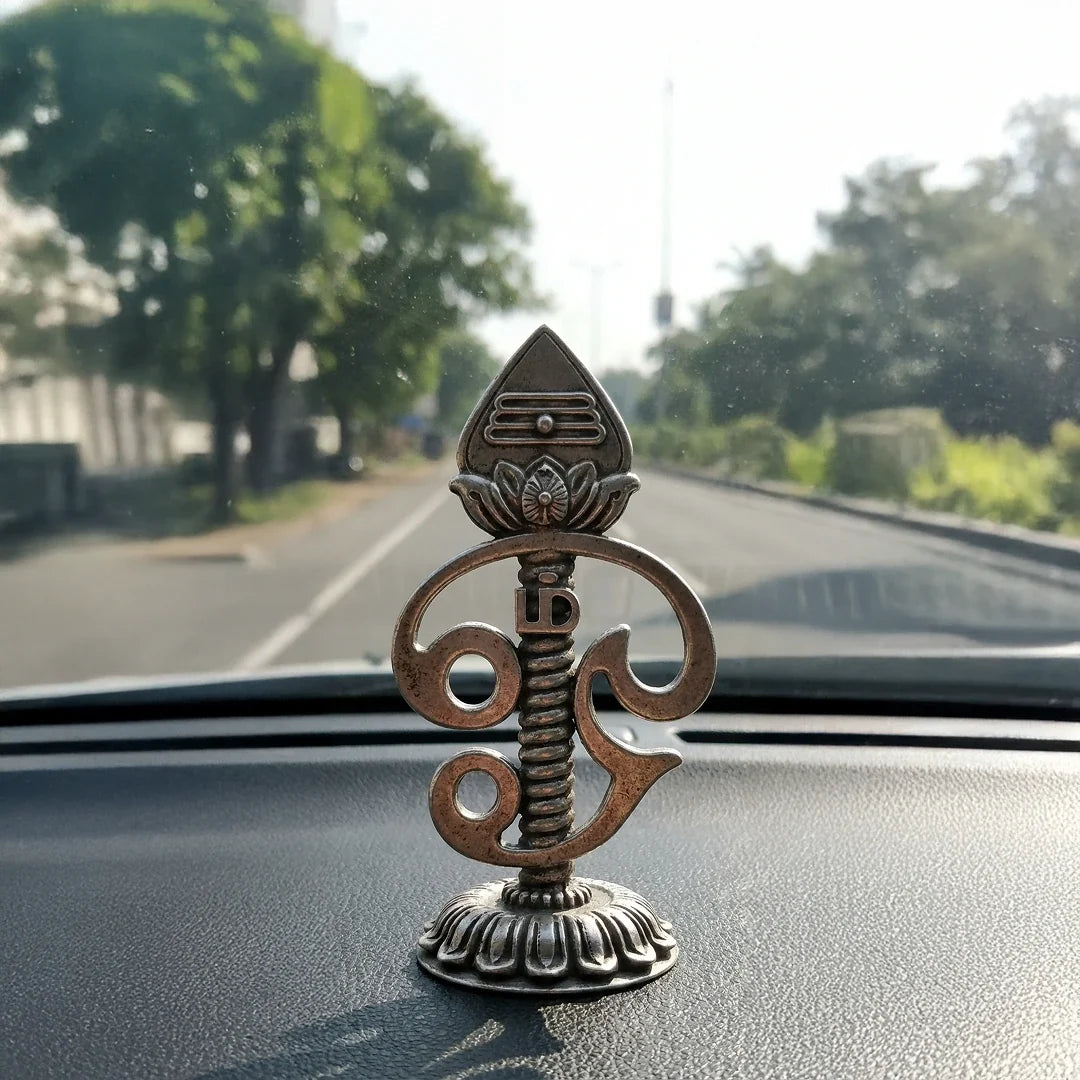
Thai Pusam is the great Murugan festival of the Tamil calendar. It is observed in the month of Thai on the day the moon stands in the Pusam star — mid-January to mid-February in the Gregorian calendar. It traditionally commemorates the moment Parvati gave her son the Vel, the spear with which he overcame Soorapadman. Devotees mark it by fulfilling vows made during the year, most visibly by carrying kavadi and pots of milk to the temple. Palani is the principal centre in Tamil Nadu; Batu Caves in Malaysia draws one of the largest gatherings anywhere. Confirm the date against a current panchang for your own city.
How the day is fixed, and why it moves
Two elements determine it. The Tamil solar month of Thai, which begins around the middle of January, and the Pusam nakshatra — Pushya in Sanskrit. Thai Pusam is the Pusam day of that month, and it usually coincides with or falls very close to the full moon.
Because nakshatra timings are calculated for a location and because different almanac traditions resolve overlaps differently, the observed day can vary by a day between sources and between countries. Malaysian and Singaporean temples occasionally keep a different day from Tamil Nadu for exactly this reason. We do not publish a calendar date here. Check a panchang calculated for your own city, or your temple's own announcement.
What Thai Pusam commemorates
The traditional account is one of the best known in the Tamil Murugan literature. Soorapadman and his brothers had grown beyond restraint. Murugan was sent against them, and his mother Parvati gave him the Vel — a spear that is understood in the tradition not simply as a weapon but as concentrated divine power and discernment, the instrument that separates what is true from what is not.
Thai Pusam is kept as the day of that giving. It is therefore a festival about being equipped for a difficult task rather than about the victory itself; the victory is commemorated separately at Skanda Sashti. That distinction is worth holding on to, because it explains the character of the day: devotees come to Murugan carrying something, asking for the strength to carry something else.
A related point of confusion is worth clearing up. Thai Pusam is not generally observed as Murugan's appearance day. That is Vaikasi Visakam, kept in the month of Vaikasi under the Visakam star. Some regional traditions differ, as they usually do.
The kavadi tradition
Kavadi means a burden carried on the shoulders — originally a pole with weights slung at each end. Kavadi aattam, the kavadi dance, is the practice of carrying such a burden to the temple as an offering, and it is almost always the discharge of a vow, a nerthikadan, made at a time of difficulty.
The forms range widely, and it is a mistake to think of kavadi as one thing.
- Paal kudam. A pot of milk carried on the head to be poured over the deity in abhishekam. This is the simplest and by far the most common form, and it is carried by men, women and children alike.
- Pushpa kavadi. An arched wooden or metal frame decorated with flowers and peacock feathers, borne on the shoulders.
- Other traditional forms carrying rosewater, sandal paste, a small shrine, or a pot of consecrated water.
- Severe forms. A minority of devotees undertake mortification, including piercing of the cheeks, tongue or back with small vel-shaped skewers or with hooks. These are acts of penance and vow-fulfilment, undertaken after long preparation and within a community that accompanies the devotee throughout. We describe this because it is part of the tradition and readers will encounter it. We do not give instructions for it, and it is not something to be attempted outside that established setting.
What unites all of these, in the understanding of the tradition, is not the severity but the carrying. The burden is voluntarily accepted and voluntarily set down at the deity's feet.
The preparation that precedes it
The visible day is the end of a much longer discipline. Devotees who intend to carry kavadi traditionally observe a preparatory period beforehand, most commonly forty-eight days, though shorter periods of twenty-one or eleven days are also kept, and practice varies by family and by temple.
The usual elements are a strictly vegetarian diet, abstention from alcohol, celibacy, sleeping on the floor, bathing before dawn, daily recitation, and the wearing of yellow or saffron. Many devotees also carry a rudraksha or a Murugan-associated mala through the period. Anyone considering this for the first time should speak to their family priest or the temple concerned rather than working from a website, and should be honest with themselves about their health before committing to a fast.
Where it is observed most visibly
| Centre | Character of the observance |
|---|---|
| Palani, Tamil Nadu | The principal Thai Pusam centre in India. Pilgrims walk to the Dandayudhapani temple on the hill, many on foot over long distances, carrying paal kudam and kavadi |
| Other Arupadai Veedu temples | Thiruchendur, Swamimalai, Thiruthani, Thiruparankundram and Pazhamudircholai all keep the day, each with its own local pattern |
| Batu Caves, Malaysia | Among the largest gatherings in the world. A chariot procession from Kuala Lumpur precedes the day, and devotees climb the long flight of steps to the cave temple |
| Singapore | A procession on foot between temples, with kavadi and milk pots carried along a permitted route through the city |
| Sri Lanka, Mauritius, South Africa | Long-established Tamil communities keep the festival with temple processions of their own |
Keeping the day at home
Most devotees do not carry kavadi, and the day is fully observed without it. A common household pattern looks like this, and your own family custom takes precedence over any of it.

- Bathe before dawn and keep a vegetarian diet for the day. Many families fast until the temple visit and eat afterwards.
- Wear yellow or saffron if that is your family's practice; these are the colours associated with Murugan.
- Clean the shrine and light lamps. Ghee for the main lamp, sesame oil for the rest, as on any festival evening. See our guide to diyas and lamps.
- Offer abhishekam to the Murugan idol or the Vel at home if your family performs it, followed by fresh flowers and, traditionally, panchamirtham.
- Recite. The Kanda Sashti Kavasam and selections from the Thiruppugazh are the texts most associated with Murugan devotion. Recite what your family knows rather than reaching for something unfamiliar.
- Visit a Murugan temple if there is one within reach, carrying milk, flowers or fruit.
For the general household sequence see how to do puja at home. Murugan idols and Vel forms are in the Lord Murugan collection, and carved Karungali idols are a traditional Tamil choice; the reasons for that association are set out in our article on why Karungali is sacred to Murugan, Ayyanar and Shiva. If you are following the Tamil festival year, Karthigai Deepam and the symbolism of Murugan idols sit alongside this one.
Frequently asked questions
When is Thai Pusam observed?
In the Tamil month of Thai, on the day the moon stands in the Pusam star, which places it between mid-January and mid-February. It usually falls on or close to the full moon. Nakshatra timings are calculated for a location, so the observed day can differ by one day between countries. Confirm against a current panchang for your own city.
What does Thai Pusam commemorate?
Traditionally, the day on which Parvati gave Murugan the Vel to face Soorapadman. The Vel is understood in the tradition as concentrated divine power and discernment rather than simply as a weapon. The victory itself is commemorated separately at Skanda Sashti, so Thai Pusam is more a festival of being equipped than of triumph.
What is a kavadi?
A kavadi is a burden carried to the temple as an offering, almost always in fulfilment of a vow made at a time of difficulty. The commonest form by far is the paal kudam, a pot of milk carried on the head for abhishekam. Decorated arched frames borne on the shoulders are the other familiar form.
Do all devotees who carry kavadi undertake piercing?
No, and it is a common misunderstanding. The great majority carry milk pots, flowers or decorated frames with no mortification at all. A minority undertake piercing as penance, after long preparation and with the support of their community. It is a serious undertaking within an established tradition, not something to attempt on one's own.
How do devotees prepare before carrying kavadi?
With a preparatory period observed before the day, most commonly forty-eight days, though twenty-one and eleven days are also kept. The usual discipline includes a strict vegetarian diet, abstention from alcohol, celibacy, sleeping on the floor, bathing before dawn and daily recitation. Anyone attempting it for the first time should consult their family priest or temple and consider their own health honestly.
Where is Thai Pusam observed on the largest scale?
Palani is the principal centre in Tamil Nadu, with pilgrims walking long distances to the hill temple. Outside India, Batu Caves in Malaysia hosts one of the largest gatherings in the world, and Singapore, Sri Lanka and Mauritius all keep the festival with substantial temple processions.
Is Thai Pusam Murugan's birthday?
Generally not. Murugan's appearance is usually observed at Vaikasi Visakam, in the month of Vaikasi under the Visakam star. Thai Pusam commemorates the giving of the Vel. Some regional traditions treat the two differently, as often happens across a tradition this old and this widely spread.
How can Thai Pusam be observed at home?
Bathe before dawn, keep a vegetarian diet, wear yellow or saffron if that is your family custom, light lamps at the shrine, offer flowers and panchamirtham to Murugan, and recite the Kanda Sashti Kavasam or Thiruppugazh. Visiting a Murugan temple with milk, flowers or fruit is the usual completion of the day.


