 Cow Shelter / Donation

Shivling for Home: Narmadeshwar, Karungali, Brass and More
Shivling is the form in which Lord Shiva is worshipped in many Hindu homes and temples. This page lists shivling idols in Narmadeshwar, Karungali, mercury, brass, resin and stone, plus a Rudraksha bracelet and a combo.
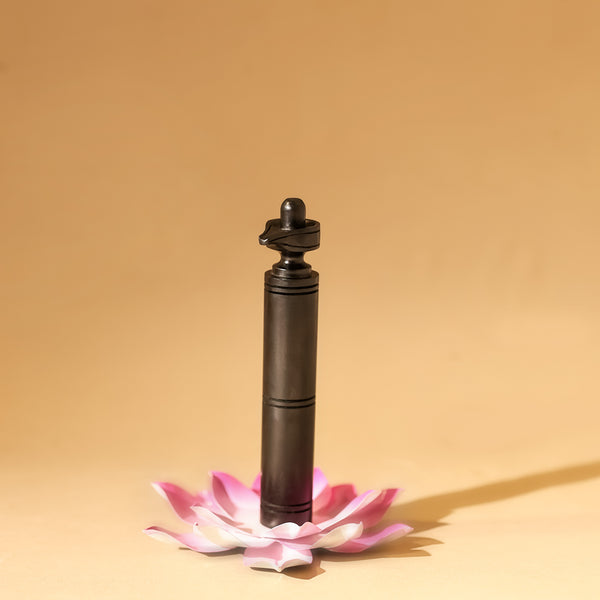

 50-60 Gm
 1 Inch

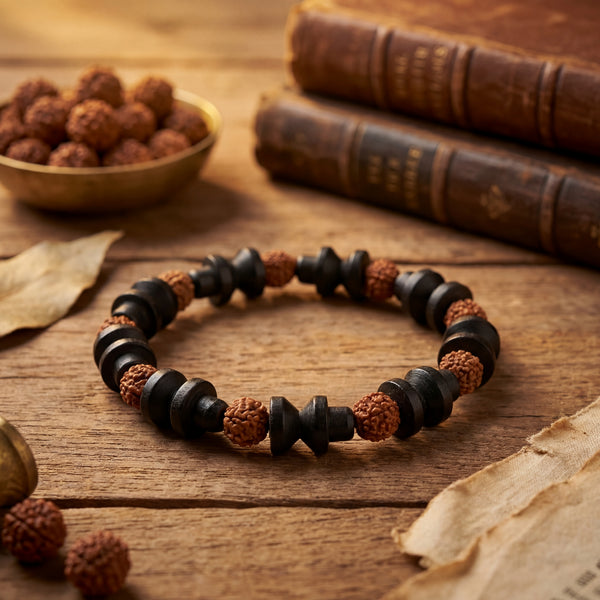
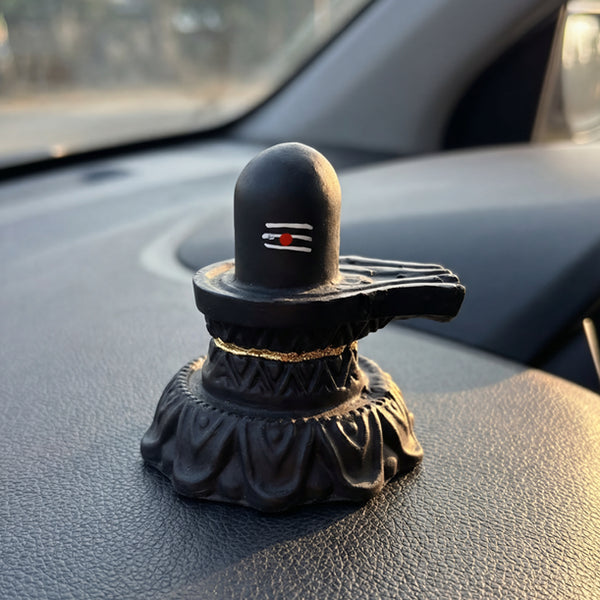
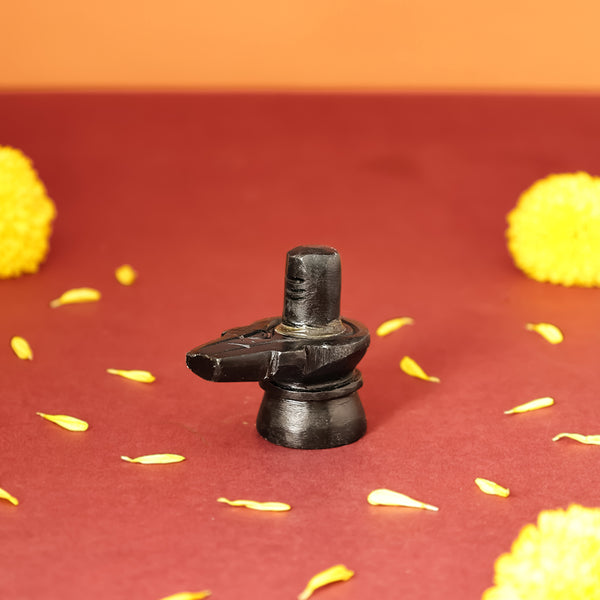

- Products listed
- 12 pieces: idols, a bracelet and a combo
- Materials named
- Narmadeshwar stone, Karungali (ebony), brass, mercury, resin
- Deity
- Lord Shiva
- Also listed
- A Mahakal Rudraksha bracelet and a Narmadeshwar combo
- Price
- Shown on each product page
Types of shivling listed here
The shivlings on this page differ mainly by material. Here is what the listings name.
- Narmadeshwar: the Original Narmadeshwar piece and a combo with a 5 Mukhi Rudraksha bracelet.
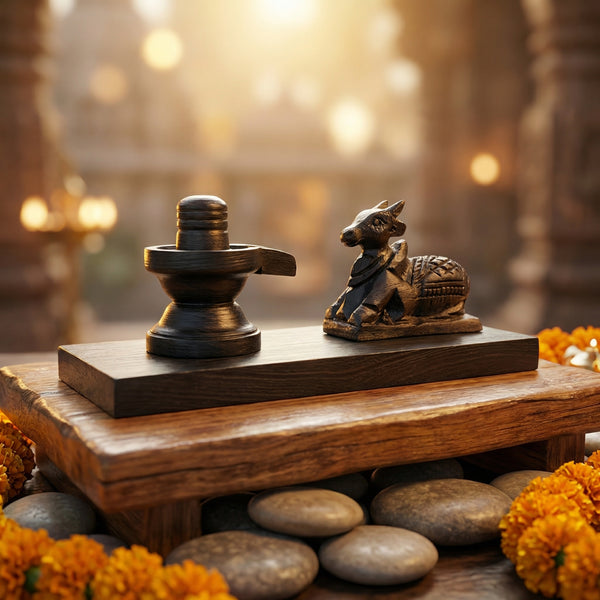
- Karungali (ebony): the Karungali Kattai Shivling and a set with Nandi.
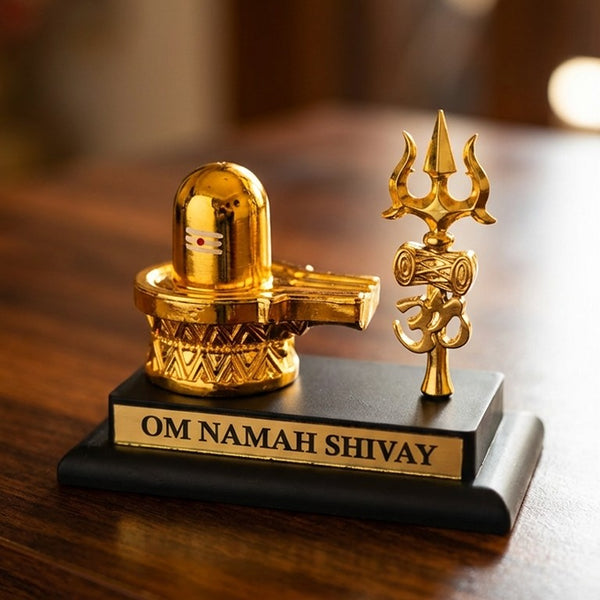
- Ebony wood idols: a Shivling Karungali idol and one with a trishul symbol.
- Mercury: the Mercury Shivling.
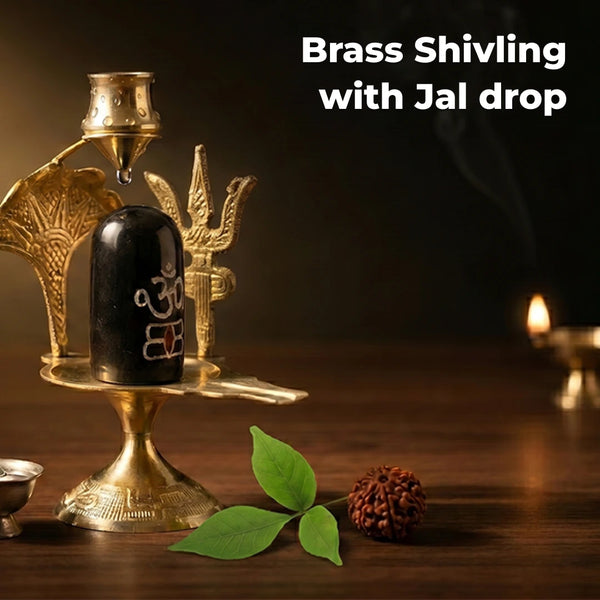
- Brass, resin and stone: a Brass Shivling with Jal drop, a resin shivling idol and a stone idol.
- Also listed: Shivling Trishul with Base and the Mahakal Shivling Rudraksha Bracelet.
Narmadeshwar stones and their tradition
Narmadeshwar stones are naturally formed and traditionally gathered from the Narmada river. Devotees regard them as swayambhu, meaning self-formed.
Many people keep one in the home puja room and worship it with water and flowers. Customs differ, so follow your family's tradition or ask a priest.
In Hindu tradition, Rudraksha is associated with Lord Shiva. One combo pairs a 5 Mukhi Rudraksha bracelet with the Narmadeshwar piece.
How to choose a shivling for home
Start with where you will keep it and how you plan to worship. Compare the materials named in the listings: Narmadeshwar stone, Karungali wood, brass, mercury and resin.
Sizes differ from piece to piece, so check the size on each product page. The resin idol is listed as suitable for a car or an office desk.
If the shivling is for a family puja room, ask the elders about your household's customs before you choose.
How to use and care for your shivling
Devotees traditionally worship the shivling with water (jal), bilva leaves and prayer. Many families keep Mondays and Mahashivratri for Shiva worship.
Place it on a clean platform in the puja room. After worship, wipe it gently with a soft cloth. Care can differ by material, so check the product page of the piece you choose.
You may also like Rudraksha malas and beads and Karungali products.
Frequently asked questions
What is a shivling?
Can I keep a shivling at home?
What is a Narmadeshwar shivling?
What is the Narmadeshwar shivling price?
What is a mercury shivling?
Which materials are the shivlings made of here?
Related pages
- God Idols: Brass, Resin, Stone and Karungali Murtis
- Mantra Frames, Pyrite Frames and God Idols
- Karungali Wood Malas, Bracelets, Pendants and Idols
- Rudraksha Mala, Beads, Necklaces and Bracelets
- Rudraksha Bracelet Designs for Men and Women
- Karungali Malai (Ebony Wood Mala)
- Spiritual Jewellery: Rudraksha, Karungali, Stones and Deity Designs
- 108 Beads Mala: Jaap Malas in Rudraksha, Tulsi, Chandan and More
Updated on 20 October 2026


