 Cow Shelter / Donation

Choose your Shiva form
Compare Shivlings and idols by their stated material and dimensions.
Maha Shivaratri
Explore Shiva forms and Rudraksha for Maha Shivaratri, from a small altar to a mala chosen for your daily japa practice.
6 March 2027
Shop Maha Shivaratri Preparation & buying guide ↓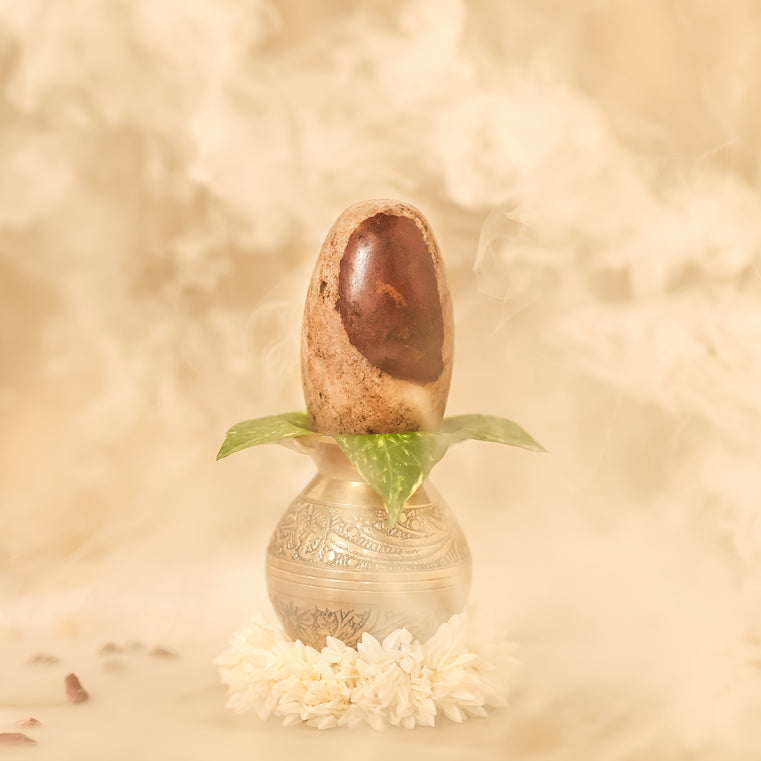
Original Narmadeshwar Shivling
Choose a meaningful piece for your own tradition. Compare the size, material and care on each product page, then add only the essentials your home needs.
Products for your celebration

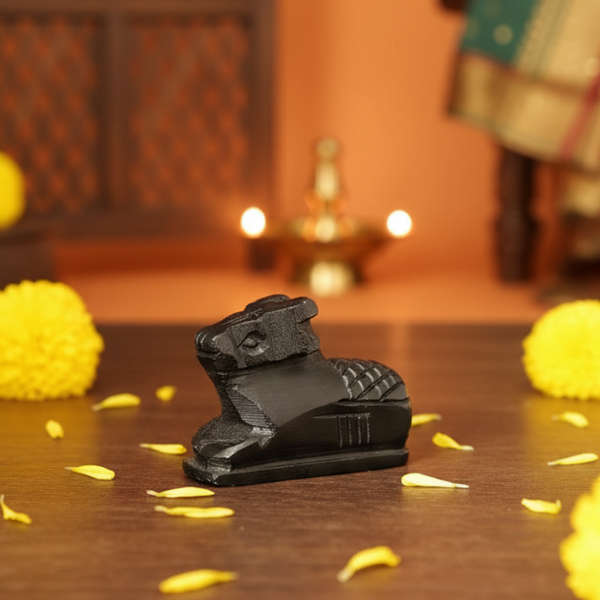
 Gold Plated
Before you order
Compare Shivlings and idols by their stated material and dimensions.
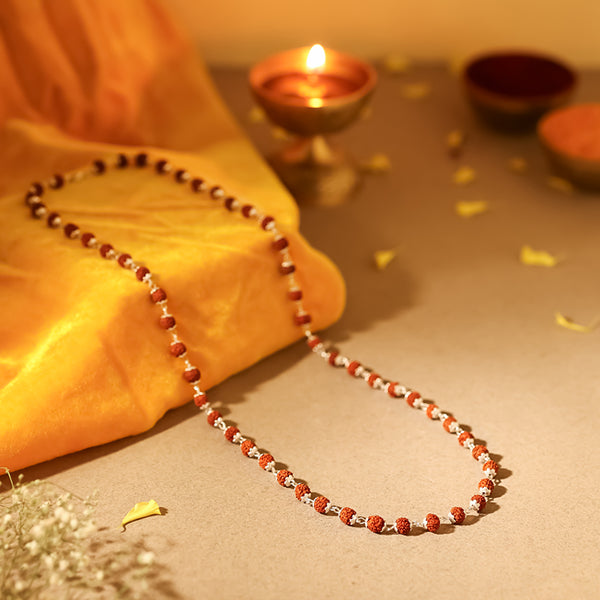
Choose a mala by bead count and material if japa is part of your observance.
Read the product’s care guidance before using liquids. Follow your family or temple tradition for the ritual.
Dates are planning references for India. Tithi, muhurat and temple observances depend on location and tradition. Confirm your city and ceremony date before arranging delivery or booking. Check the calendar for your city
Read the Shiva mantra guide ↗Start with bead count, diameter and handling comfort. An everyday 108-bead japa mala and an S925 finished necklace serve different preferences and budgets. Check origin, size, material and certificate details on the exact item.
Check the product page for what is included with your chosen item. You can add other puja pieces or gifts separately to suit your plans.
If you need your order by a particular date, contact our team before ordering. We can help you check delivery options for your address.
Yes. Contact Divine Hindu with the product you like and how you plan to use it. We can help you check the size, material and available options.
A little guidance makes choosing easier.
Talk to Divine Hindu ↗Maha Shivaratri is the great night of Lord Shiva, observed with fasting, abhishek, japa and night-long prayer. This page explains the observance and helps you choose Shiva idols, Shivlings and a Rudraksha mala for japa.
Maha Shivaratri is dedicated to Lord Shiva. Traditions describe it as the night of Shiva's marriage to Goddess Parvati. Others speak of the night he appeared as an endless pillar of light. Families and temples remember these stories in their own way.
Rudraksha is associated with Lord Shiva in Hindu tradition. Many devotees wear or hold a Rudraksha mala during japa on this night.
Observance differs by family and temple, so follow your own tradition. Common practices include a fast, a visit to a Shiva temple, abhishek of the Shivling and japa of Om Namah Shivaya. Bilva leaves, water and milk are traditionally offered to Lord Shiva.
Many devotees stay awake and pray through the four prahars of the night. Ask your family or temple for the guidance and rules that apply to you.
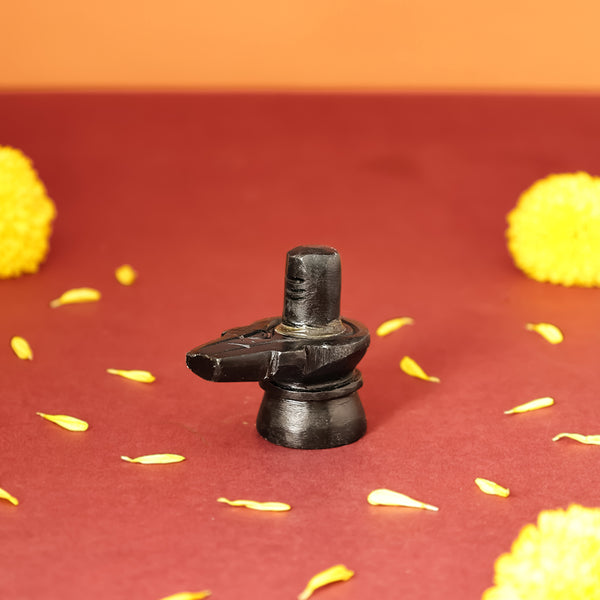
Compare Shivlings and idols by their stated material and dimensions. Browse Sacred God Idols and All Frame and Idols for Shiva forms that suit a small altar.
Read the care guidance on the product page before any abhishek with liquids. Wooden and decorative idols may not suit water, milk or oil, so follow your family or temple tradition for the ritual.
Start with bead count, diameter and handling comfort. An everyday 108-bead japa mala and an S925 finished necklace serve different preferences. Check the origin, size, material and certificate details on the exact item.
See Rudraksha Malas and Beads, Jaap Mala and Rudraksha Bracelets. Many devotees begin a new mala with Om Namah Shivaya on a Monday, after a bath.
Updated on 20 October 2026

See shipping policy for details

Contact our support team

COD/UPI/CARDS

Products for everyday devotion
Each level is a real Vedic ritual — from sacred mantras to a full temple abhishek.
Energized by the vibration of sacred Vedic mantras.
₹101A group siddhi: touched to the deity, then energized with a Jal Abhishek in your name.
₹501The complete ceremony — for deep devotion & sacred gifting.
₹1,111The name below is chanted during your Sparsh & Abhishek Siddhi.