 Cow Shelter/Donation

Kartik Month 2026: Dates, Kartik Snan, Deep Daan, Tulsi Worship & Every Festival in the Month
September 08, 2026
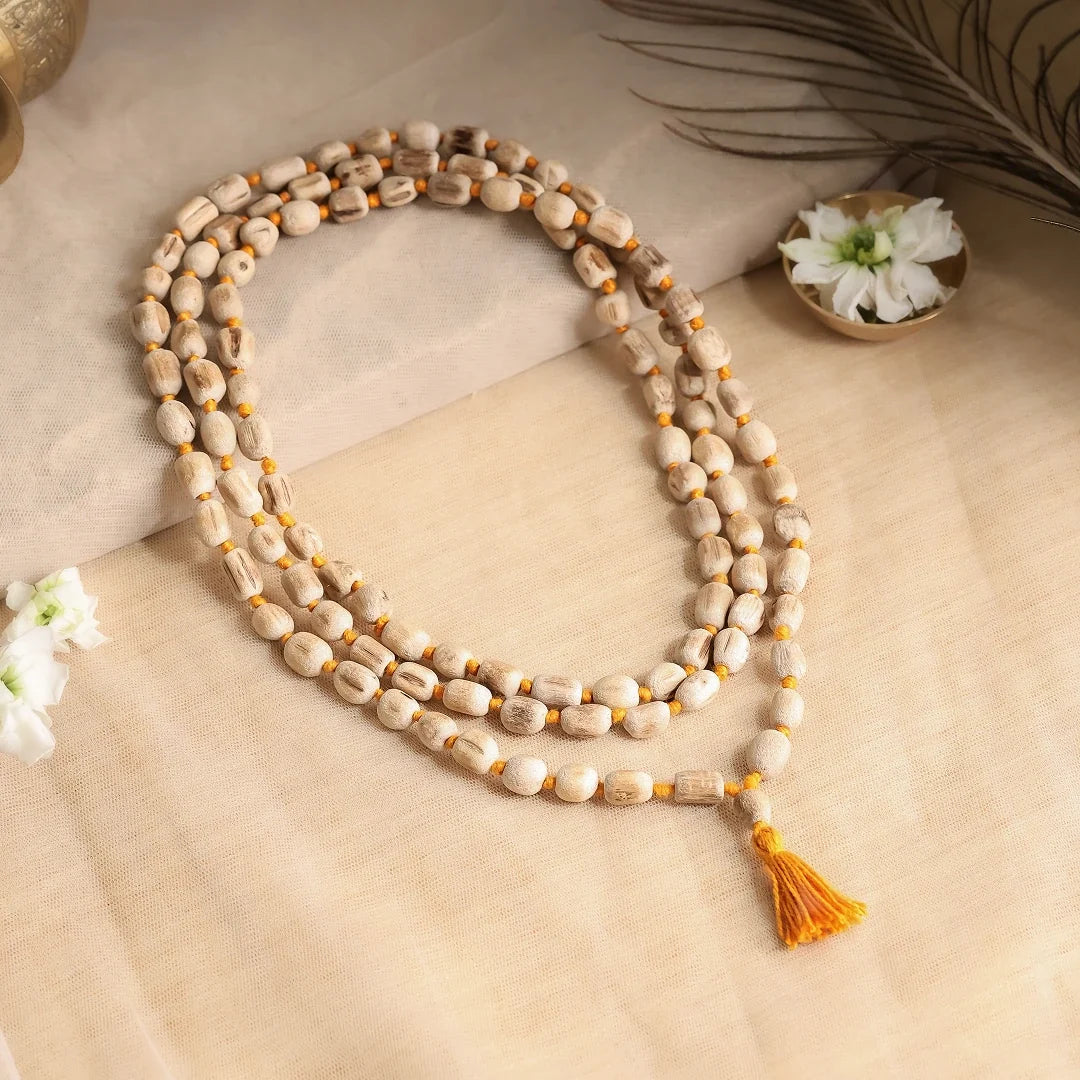
Kartik month 2026 runs from Tuesday, 27 October to Tuesday, 24 November 2026 by the North Indian purnimanta calendar, opening the day after the Ashwin full moon and closing on Kartik Purnima, the night of Dev Diwali. It is the month the tradition holds to be the most sacred of the twelve — the month of the pre-dawn Kartik snan, of lamps offered every evening as deep daan, of Tulsi worshipped daily and married to Vishnu at its close, and of Vishnu himself waking from his four-month sleep. Almost every great autumn festival falls inside it: Karwa Chauth, Ahoi Ashtami, Dhanteras, Diwali, Govardhan Puja, Bhai Dooj, Chhath, Dev Uthani Ekadashi, Tulsi Vivah and Dev Diwali. This guide sets out the 2026 dates for all of them, explains the two ways of counting the month, and describes what is traditionally done and avoided through its thirty days.
The Divine Hindu App is here.
Chat free with top astrologers for your first 5 minutes every week, generate your Kundli, book temple Puja & Chadhava, and check today's Panchang — all in one app.
Kartik 2026 dates: 27 October to 24 November, and why the south counts differently
A Hindu month is a lunar month, and India has two conventions for where it begins and ends. In the purnimanta system, used across North India — Uttar Pradesh, Bihar, Delhi, Punjab, Haryana, Rajasthan, Madhya Pradesh, Himachal, Uttarakhand and Nepal — a month runs from the day after one full moon to the next full moon, so it begins with the dark fortnight and ends on the Purnima. In the amanta system, used in Maharashtra, Gujarat, Goa, Karnataka, Andhra, Telangana, Tamil Nadu, Kerala and Bengal, a month runs from the day after one new moon to the next new moon, so it begins with the bright fortnight and ends on the Amavasya. The two systems agree entirely on the bright fortnights and on every tithi; they differ only in which month the dark fortnight is assigned to. The dark fortnight that the north calls Kartik Krishna Paksha is, for the south, Ashwin Krishna Paksha. That is why Karwa Chauth, Dhanteras and Diwali are Kartik festivals in Delhi and Ashwin festivals in Mumbai, on exactly the same days.
| System | Kartik 2026 begins | Kartik 2026 ends | Used in |
|---|---|---|---|
| Purnimanta (full-moon ending) | Tuesday, 27 October 2026 — Kartik Krishna Pratipada | Tuesday, 24 November 2026 — Kartik Purnima | North India, Nepal; most panchangs and this guide |
| Amanta (new-moon ending) | Tuesday, 10 November 2026 — Kartik Shukla Pratipada | Kartik Amavasya, 8 to 9 December 2026 depending on the sunrise rule | Maharashtra, Gujarat, the south, Bengal |
Both dates in the first row are confirmed by Drik Panchang, whose day panchang marks Kartik beginning in the north on 27 October and Kartik Purnima with Dev Diwali on 24 November, and by Prokerala, which gives the Ashwin Purnima tithi ending at 9:41 AM on 26 October and the Kartik Purnima tithi ending at 8:23 PM on 24 November — both times that Drik Panchang gives to the same minute. The Ashwin Purnima tithi ends at 9:41 AM on Monday, 26 October, so the Kartik Krishna Pratipada begins that morning but is current at sunrise only on Tuesday, 27 October, which is why the month is counted from the Tuesday. The Kartik snan, however, traditionally begins on the Purnima day itself, Monday, 26 October, and runs to the Kartik Purnima on 24 November — thirty mornings. Families in the south who keep Kartik observances follow the amanta month, so that their Kartik snan, Tulsi puja and Karthika Deepam lamps run from 10 November into December; the Tamil Karthigai is a solar month and different again, with its great lamp festival, Karthigai Deepam, falling on the Krittika star in the solar month rather than on the lunar Purnima. Every date in this guide is a tithi mapped onto a calendar day and can move by one with your city's sunrise; confirm against a current panchang before you observe.
If the whole month looks late — Diwali in the second week of November — it is because an extra lunar month, Adhik Maas, was inserted into 2026 between May and June, moving every tithi-based festival in the second half of the year roughly three weeks later than in 2025. The explanation is in our Dhanteras 2026 guide.
Why Kartik is held sacred
The Puranas praise Kartik above every other month, and the praise is worth quoting in substance rather than in the exaggerated form it sometimes takes. The Skanda Purana and the Padma Purana are traditionally cited as saying that no month equals Kartik, no god equals Vishnu and no scripture equals the Veda, and the section of the Skanda Purana called the Kartik Mahatmya is read aloud in many homes through the month, a chapter a day. The reasons the texts give are several. Kartik is the month in which Vishnu wakes: he is held to have lain down to his cosmic sleep on the Devshayani Ekadashi in Ashadha, at the start of the monsoon, and to rise on the Devutthana or Prabodhini Ekadashi in the bright half of Kartik, so that the month is the last and most intense of the four of Chaturmas, the period of restraint, and its Ekadashi is the door through which the year's weddings and auspicious beginnings pass. It is the month of Damodar, the name of the child Krishna tied by his mother Yashoda to a grinding mortar with a rope around his belly — dama, rope, udara, belly — and Vaishnava tradition holds that Krishna is worshipped in this form through Kartik, with the Damodarashtakam sung every evening and a lamp offered to him; the Gaudiya and Pushtimarg communities call the month Damodar Maas outright. It is the month of Tulsi, who is worshipped daily and married at its close. It is the month in which Lakshmi is welcomed on Diwali, in which the Yamuna receives her brother Yama, in which the Sun is thanked at Chhath, and in which, on the last night, Shiva is held to have destroyed the three cities of Tripurasura, so that the Kartik Purnima is also Tripuri Purnima and the gods' own Diwali. And it takes its name from the star: the Purnima of the month falls in or near the Krittika nakshatra, the Pleiades, from which the month is called Kartik and the god Kartikeya, raised by the six Krittika mothers, takes his.
Underneath the theology is the season. Kartik is the cool, clear heart of the Indian autumn, the month after the rains have ended and before the cold has set in, when rivers are full and clean, the sky is open, the kharif harvest is in and the rabi sowing begins. A month of dawn baths in a river, of lamps in the open air every evening, and of a fast that lightens the diet after the monsoon is, quite apart from what the texts say, the month in which such things are pleasant to do. The tradition asks that they be done as devotion, and promises nothing in exchange beyond the doing.
Kartik snan: the month of dawn baths
The Kartik snan is the oldest and most widely kept of the month's observances: a bath taken every morning in the brahma muhurat, the hour and a half before sunrise, from the Sharad Purnima to the Kartik Purnima. The tradition prefers a river, a lake or a tank — the Ganga at Varanasi, Haridwar and Prayag, the Yamuna in Braj, the Godavari at Nashik, the lake at Pushkar, the sea at Dwarka and Rameswaram, and every village pond — and the ghats of the north are full of women in the dark before dawn through the whole month, singing the Kartik songs. Where no river is at hand, the bath is taken at home with cold or lukewarm water before sunrise, with a few drops of Ganga jal added and the names of the sacred rivers recited over it; the tradition holds that the intent, the hour and the cold water are what matter, and the river's name invoked over a bucket is accepted in place of the river.
The form is simple. On the first morning a sankalp is taken — the vow to keep the snan for the month, spoken with water in the right palm — and each morning after the bath the bather faces the rising sun, offers an arghya of water from a lota, lights a lamp at the Tulsi or the household deity, and recites a mantra of Vishnu, most often the Damodar mantra or the twelve-syllable Om Namo Bhagavate Vasudevaya; many keep a mala of Tulsi for the month's japa. Women in Uttar Pradesh, Bihar and Nepal keep the snan in groups, and the songs sung on the ghats are a genre of their own. The bath is followed by a light, sattvic breakfast or by a fast until the midday meal, and many keep the whole month on a single meal a day. Tradition exempts the ill, the elderly, the pregnant and the very young from the cold-water bath and from fasting, and a warm bath at home with the same sankalp is understood to be the same vrat; nobody is asked to court illness for it, and anyone with a medical condition should ask a doctor before undertaking a month of cold baths and reduced meals.
Deep daan: the lamps of Kartik
If the snan belongs to the morning, the lamp belongs to the evening. Deep daan — literally, the gift of a lamp — is the offering of a lit diya to a deity, a river, a tree or the sky, and Kartik is its month. The tradition holds that a lamp offered in Kartik is worth more than at any other time, and that the month's lamps are seen by Vishnu as he wakes; the Padma Purana's praise of the Kartik lamp is the text most often cited. In practice the deep daan of Kartik takes four forms, and most families keep at least the first.
The first is the lamp at the Tulsi: a ghee or sesame-oil diya lit at the base of the Tulsi plant every evening at dusk through the month, with a short prayer and, in Vaishnava homes, the Damodarashtakam. The second is the lamp on the water: at the ghats of Varanasi, Haridwar, Prayag, Mathura and every river town, families float diyas on leaf boats on the evening tide through Kartik, and the sight of the Ganga at Varanasi in the month is one of the reasons people travel there. The third is the akash deep, the sky lamp: a diya set in a small basket or lantern and hoisted to the top of a bamboo pole, or hung from the highest point of the house, and lit every evening of Kartik. Tradition offers it to Vishnu, to the pitrs, the ancestors, who are held to be guided by it, and in some accounts to the gods generally, and in Varanasi the akash deep poles along the ghats are a feature of the month. The fourth is the temple deep daan: lamps offered at the Vishnu, Krishna or Shiva temple in one's town, in a count of one, eleven, twenty-one or 108, or a large lamp with many wicks kept burning at the shrine for the month.
The month's lamps rise to a climax twice. On Dhanteras the Yamadeep is lit for Yama and set facing south outside the door — described in our Dhanteras 2026 guide — and on Diwali night the whole house is lit for Lakshmi. And on the last night, Kartik Purnima, the gods themselves are held to come down to the ghats of Varanasi to bathe, and the city lights every step of every ghat with lakhs of diyas for Dev Diwali, the Diwali of the gods, with the Ganga aarti at its largest of the year. Families elsewhere keep Dev Diwali at home with lamps at the door, the Tulsi and the mandir, and a lamp floated on whatever water is near. A ghee diya is preferred for the deity and a sesame- or mustard-oil diya for the door and the Tulsi; our guide on ghee versus oil diyas covers the wicks and burn times, and the significance of the diya covers the rest. Keep every lamp away from cloth and curtains, never leave an akash deep where it can fall onto something that burns, and prefer a lantern to a bare flame at height.
Tulsi through Kartik, and Tulsi Vivah
Kartik is Tulsi's month more than any other. The plant is worshipped every morning after the snan and every evening with the lamp: water is offered at her roots, a circumambulation is made, kumkum or chandan is applied to the pot, a flower placed, and one of the Tulsi mantras or the Tulsi stotra recited; many households read a chapter of the Kartik Mahatmya at the Tulsi chaura each day. Tradition holds Tulsi to be a form of Lakshmi and the most beloved of Vishnu's offerings, and no naivedya is set before Vishnu or Krishna in the month without a Tulsi leaf on it. The rules of the plant are kept with particular care in Kartik: leaves are plucked with the right hand and a prayer, not with the nails; they are not plucked on Ekadashi, on Sundays, at dusk or after a bath has not been taken, in the traditional reckoning; the plant is not watered on Ekadashi in many homes, since she is held to be fasting; and a Tulsi in the house is placed where the morning sun and the household's eye fall on it, which our guide on Tulsi at home sets out. A Tulsi mala — the japa mala of 108 Tulsi beads, or the small kanthi worn at the throat — is the customary instrument of the month's japa, and Vaishnava practice keeps it for Vishnu and Krishna mantras above every other bead; the wearing rules and care are in our guides on the significance of the Tulsi mala and how to wear and care for one.
The month's Tulsi worship ends in a wedding. Tulsi Vivah 2026 falls on Saturday, 21 November, on Kartik Shukla Dwadashi, the day after Dev Uthani Ekadashi, though many families perform it on the Ekadashi itself or on any day up to the Purnima. The Tulsi plant, dressed as a bride in a red cloth and bangles, is married to Vishnu in the form of a Shaligram stone or a Krishna image, with a mandap of sugarcane stalks built over the pot, a full wedding vidhi — the kanyadaan given by the family, the mangalsutra tied around the pot, the seven pheras, the singing of wedding songs — and a feast; in Maharashtra and Gujarat it is kept with particular ceremony and in many homes the daughter of the house gives Tulsi away as her sister. Tradition holds that the marriage of Tulsi opens the wedding season, and in practice it does: after Dev Uthani Ekadashi the calendar of vivah muhurats resumes across India. The full vidhi, the story of Vrinda and Jalandhara, and the samagri are in our Tulsi Vivah 2026 guide.
Dev Uthani Ekadashi, also Prabodhini or Devutthana Ekadashi, falls on Friday, 20 November 2026 by the Smarta reckoning most household panchangs follow; the Ekadashi tithi begins a little after seven that morning and ends a little after half past six on the Saturday morning, so Vaishnava communities that require the tithi to be clear of the Dashami at sunrise keep the fast on Saturday, 21 November instead — both Drik Panchang and our own Ekadashi 2026 list give the Friday with the Saturday as the Vaishnava alternative. On this Ekadashi Vishnu is held to wake; Chaturmas ends; the deity is woken in the mandir with a conch, a bell and the singing of Uttishtha Govinda; and the fasting rules of the four months are lifted. It is the most important Ekadashi of the year after Nirjala and is kept by many who keep no other.
The festivals of Kartik 2026, with dates
Almost the whole festive autumn falls inside the month. Here is the purnimanta Kartik of 2026 from end to end; the linked guides carry the detail for each day.
| Observance | Tithi | 2026 date | What it is |
|---|---|---|---|
| Sharad Purnima (Kojagiri) | Ashwin Purnima | Night of Sunday, 25 October; Purnima day Monday, 26 October | The last night of Ashwin and the kheer under the moon; the Kartik snan begins on the Purnima day |
| Kartik begins (purnimanta) | Kartik Krishna Pratipada | Tuesday, 27 October | First day of the month in the north |
| Karwa Chauth | Kartik Krishna Chaturthi | Thursday, 29 October | The married woman's fast broken at moonrise |
| Ahoi Ashtami | Kartik Krishna Ashtami | Sunday, 1 November | The mother's fast for her children, broken at the sighting of stars; Radha Kund snan in Braj the same night |
| Rama Ekadashi | Kartik Krishna Ekadashi | Thursday, 5 November | The Ekadashi of the dark half, kept for Vishnu and Lakshmi |
| Dhanteras | Kartik Krishna Trayodashi | Friday, 6 November | New metal brought home; Dhanvantari, Lakshmi and Kubera puja; the Yamadeep |
| Naraka Chaturdashi (Choti Diwali) | Kartik Krishna Chaturdashi | Sunday, 8 November, pre-dawn; some calendars Saturday, 7 November | The oil bath before sunrise |
| Diwali — Lakshmi Puja | Kartik Amavasya | Sunday, 8 November, evening | Lakshmi-Ganesha puja at pradosh; the Amavasya day itself is Monday, 9 November |
| Govardhan Puja (Annakut) | Kartik Shukla Pratipada | Tuesday, 10 November | The cow-dung hill, the Annakut and gau puja; Gujarati New Year, Bali Pratipada, Padwa; Kartik begins in the amanta calendar |
| Bhai Dooj (Yama Dwitiya) | Kartik Shukla Dwitiya | Wednesday, 11 November; some calendars Tuesday, 10 November | The sister's tilak and meal for the brother |
| Chhath Puja | Kartik Shukla Chaturthi to Saptami | Friday, 13 to Monday, 16 November | The arghya to the setting and rising Sun; Sandhya Arghya on Sunday, 15 November |
| Gopashtami and Akshaya Navami | Kartik Shukla Ashtami and Navami | The week after Chhath — take the dates from a current panchang | The day Krishna first took the cows to pasture, kept with gau puja; and the Amla Navami, kept under an amla tree |
| Dev Uthani (Prabodhini) Ekadashi | Kartik Shukla Ekadashi | Friday, 20 November; Vaishnava reckoning Saturday, 21 November | Vishnu wakes; Chaturmas ends; the wedding season opens |
| Tulsi Vivah | Kartik Shukla Dwadashi | Saturday, 21 November | The marriage of Tulsi to Vishnu as Shaligram |
| Kartik Purnima — Dev Diwali | Kartik Purnima | Tuesday, 24 November | The Diwali of the gods at Varanasi; Tripuri Purnima; the Kartik snan ends; Guru Nanak Jayanti is kept by Sikhs on the same Purnima, and in 2026 Karthigai Deepam falls on the same day |
Each of these is a tithi mapped onto a calendar day and can move by one with your city's sunrise, so confirm against a current panchang before you observe. The whole year is in the Hindu Festival Calendar 2026, with the full moons and new moons in the Purnima and Amavasya 2026 list. The Purnima that closes the month is the traditional day for a Satyanarayan puja, described in our Satyanarayan puja vidhi.
What is traditionally avoided in Kartik
Kartik is the last month of Chaturmas, and the four months carry a set of restraints that reach their fullest in it. None of them is a prohibition with a stated consequence; they are the discipline of a vrat, kept by those who have taken it and kept lightly by everyone else, and family practice varies enormously. These are the ones most widely observed.
| Traditionally set aside in Kartik | The tradition behind it |
|---|---|
| Pulses and beans — dwidal, the two-cotyledon grains such as urad, moong, chana, masoor, rajma and peas | The Chaturmas rule assigns one abstention to each month — leafy greens in Shravan, curd in Bhadrapad, milk in Ashwin, and dwidal in Kartik — and the Kartik abstention is the one most panchangs still mark day by day |
| Non-vegetarian food, onion and garlic, and alcohol | Set aside through the month by those keeping the vrat, and through the Diwali fortnight by most households |
| Brinjal and, in some regions, certain gourds and root vegetables | A regional extension of the dwidal rule in Uttar Pradesh, Bihar and Nepal; the list differs by family |
| Oil massage and oil bath | Abhyanga is traditionally set aside through the month, with the one great exception of Naraka Chaturdashi morning, when it is prescribed |
| Sleeping after sunrise and sleeping in the day | The month is kept on early rising for the snan; the vrat asks for the bed to be a mat on the floor for those who keep it strictly |
| Plucking Tulsi on Ekadashi, on Sundays or at dusk | The Tulsi rules are kept with particular care in her month; leaves for the day's puja are gathered in the morning |
| Eating at night, for those keeping the vrat | The traditional Kartik vrat is a single meal before sunset, or fruit and milk in the evening; nobody unwell, elderly, pregnant or on medication should attempt it without a doctor's advice |
| Harsh speech, quarrels, gambling and cutting trees | The etiquette of every vrat month; the last of these because the month honours Tulsi, the amla tree at Akshaya Navami and the hill at Govardhan |
| Weddings and new beginnings before Dev Uthani Ekadashi | The Chaturmas pause on vivah, griha pravesh and other sanskaras runs until Vishnu wakes on 20 November; after Tulsi Vivah the muhurats resume |
A family that has always eaten dal in Kartik should go on eating dal; the tradition is that each household keeps the month according to its own vrat, and a restraint taken on without a vow has no particular standing. The restraints are the shape of a discipline, not a list of dangers.
How a household keeps Kartik: the daily shape of the month
Put together, the month's observances make a simple daily rhythm, and most families that keep Kartik keep some version of it. The day begins before sunrise with the Kartik snan, at a river where one is at hand and at home where it is not, followed by the arghya to the sun and a lamp at the Tulsi. The morning puja adds a Tulsi leaf to every offering and a chapter of the Kartik Mahatmya or a few verses of the Bhagavata, and the day's japa is done on a Tulsi mala — the Damodar mantra, Om Namo Bhagavate Vasudevaya, or the family's own. Meals are sattvic and, for those keeping the vrat, one a day before sunset. At dusk the second lamp is lit at the Tulsi and the Damodarashtakam or the family aarti is sung; the akash deep goes up where the household keeps one, and on the Purnima nights and on the Diwali days the lamps multiply. Charity runs through the month — grain, cloth, lamps, ghee and, in the tradition, the gift of a cow or its value to a gaushala on Gopashtami and at Govardhan — and the reading of the Mahatmya ends on the Purnima with the Satyanarayan katha and a feast. Through it all the festivals arrive one after another, and a family that has kept the snan and the lamp every day finds that Karwa Chauth, Diwali, Chhath and Tulsi Vivah are not interruptions to the month but its landmarks. Nothing about the rhythm needs a priest, and nothing about it needs to be bought except oil and wicks.
Frequently Asked Questions
When does Kartik month start and end in 2026?
By the North Indian purnimanta calendar, Kartik 2026 begins on Tuesday, 27 October 2026, the day after the Ashwin Purnima, and ends on Tuesday, 24 November 2026, on Kartik Purnima. By the amanta calendar used in Maharashtra, Gujarat, the south and Bengal, Kartik begins on Tuesday, 10 November 2026, on Kartik Shukla Pratipada, the day of Govardhan Puja, and ends on the Kartik Amavasya in the second week of December. Both systems agree on every tithi and on the bright fortnight; they differ only in which month the dark fortnight is assigned to. Drik Panchang and Prokerala both give the purnimanta dates of 27 October to 24 November.
What is the difference between purnimanta and amanta months?
A purnimanta month runs from the day after one full moon to the next full moon, so it begins with the dark fortnight and ends on the Purnima; it is used across North India and Nepal. An amanta month runs from the day after one new moon to the next new moon, so it begins with the bright fortnight and ends on the Amavasya; it is used in Maharashtra, Gujarat, the south and Bengal. The two systems name the same dark fortnight differently: the fortnight of Karwa Chauth, Dhanteras and Diwali is Kartik Krishna Paksha in the north and Ashwin Krishna Paksha in the south, on exactly the same days. Festivals never move between the systems; only the label on the month changes.
Why is Kartik considered the holiest month?
The Skanda and Padma Puranas are traditionally cited as praising Kartik above every other month, and the Kartik Mahatmya of the Skanda Purana is read through it. The reasons given are that Vishnu wakes from his four-month sleep on the Kartik Shukla Ekadashi, ending Chaturmas; that Krishna is worshipped through the month in his Damodar form; that Tulsi is worshipped daily and married to Vishnu at its close; that Lakshmi is welcomed on Diwali, the Sun thanked at Chhath and Shiva honoured on the Purnima as the destroyer of Tripurasura; and that a bath and a lamp in Kartik are held to carry more merit than at any other time. Underneath the texts is the season, the clear cool autumn after the monsoon, in which the dawn bath and the evening lamp are natural. The month is kept as devotion, and the tradition promises nothing beyond the keeping.
What is Kartik snan and how is it done?
Kartik snan is a bath taken every morning in the brahma muhurat, the hour and a half before sunrise, from the Sharad Purnima on Monday, 26 October to the Kartik Purnima on Tuesday, 24 November 2026. It is taken in a river, lake or tank where one is at hand, and at home with cold or lukewarm water with a few drops of Ganga jal and the names of the sacred rivers recited over it where not. A sankalp is taken on the first morning, and each day after the bath an arghya of water is offered to the rising sun, a lamp is lit at the Tulsi, and a Vishnu mantra is recited, often on a Tulsi mala. The ill, elderly, pregnant and very young are exempt from the cold bath in the tradition, and anyone with a medical condition should consult a doctor before undertaking a month of cold baths or reduced meals.
What is deep daan in Kartik?
Deep daan is the offering of a lit lamp, and Kartik is its month. The commonest form is a ghee or oil diya lit at the base of the Tulsi every evening at dusk. Families near rivers float lamps on leaf boats on the evening water, many households hoist an akash deep, a lamp in a basket or lantern at the top of a bamboo pole or the highest point of the house, lit each evening and offered to Vishnu and the ancestors, and lamps are offered at the temple in counts of one, eleven, twenty-one or 108. The month's lamps peak at the Yamadeep of Dhanteras, the lamps of Diwali night, and Dev Diwali on Kartik Purnima, when the ghats of Varanasi are lit with lakhs of diyas. Tradition holds a Kartik lamp to carry particular merit; it is offered as devotion, and every lamp should be kept clear of anything that can burn.
When is Tulsi Vivah in 2026 and how is Tulsi worshipped in Kartik?
Tulsi Vivah 2026 falls on Saturday, 21 November 2026, on Kartik Shukla Dwadashi, the day after Dev Uthani Ekadashi on Friday, 20 November, though many families perform it on the Ekadashi itself or on any day up to the Purnima. Through Kartik the Tulsi plant is worshipped every morning and evening with water at her roots, a circumambulation, kumkum or chandan on the pot, a flower and a lamp, and a Tulsi leaf is placed on every offering to Vishnu or Krishna. Leaves are plucked with the right hand and a prayer, and not on Ekadashi, on Sundays or at dusk in the traditional reckoning. At Tulsi Vivah the plant is dressed as a bride and married to Vishnu as a Shaligram or Krishna image under a mandap of sugarcane, with the full wedding vidhi, and the wedding season resumes.
What should not be eaten or done in Kartik?
The Chaturmas rule sets aside dwidal, the two-cotyledon pulses and beans such as urad, moong, chana, masoor and rajma, in Kartik, and most panchangs mark the abstention day by day. Those keeping the vrat also set aside non-vegetarian food, onion, garlic and alcohol, and in Uttar Pradesh, Bihar and Nepal brinjal and some gourds as well. Oil massage is avoided except on Naraka Chaturdashi morning, sleeping after sunrise and in the day is set aside, Tulsi is not plucked on Ekadashi, Sundays or at dusk, and weddings and new beginnings wait until Vishnu wakes on Dev Uthani Ekadashi. These are the discipline of a vrat rather than prohibitions with stated consequences, family practice varies widely, and nobody unwell should fast without medical advice.
Which festivals fall in Kartik 2026?
In the purnimanta Kartik of 2026 the festivals are Karwa Chauth on Thursday, 29 October, Ahoi Ashtami on Sunday, 1 November, Rama Ekadashi on Thursday, 5 November, Dhanteras on Friday, 6 November, Naraka Chaturdashi and Diwali on Sunday, 8 November, Govardhan Puja on Tuesday, 10 November, Bhai Dooj on Wednesday, 11 November, Chhath Puja from Friday, 13 to Monday, 16 November, Dev Uthani Ekadashi on Friday, 20 November, Tulsi Vivah on Saturday, 21 November, and Kartik Purnima with Dev Diwali on Tuesday, 24 November. Sharad Purnima on the night of Sunday, 25 October closes the preceding month of Ashwin and begins the Kartik snan. Gopashtami and Akshaya Navami fall in the week after Chhath; take their dates from a current panchang. Every date can move by a day with your city's sunrise.
A Tulsi mala is traditionally used for the month's japa in Kartik, since Vaishnava practice keeps Tulsi beads for the Vishnu and Krishna mantras recited after the morning snan and at the evening lamp; if you do not have one set aside for the month, the original Tulsi 108-bead mala, made from Mathura Tulsi wood, is the kind most households keep for Kartik and for daily japa through the year. Browse the wider Tulsi mala collection, diyas and lamps for the month's deep daan and the Lord Krishna collection online, or visit Divine Hindu Store, Jayanagar 3rd Block East, Bengaluru 560011.
This guide is for educational and devotional purposes and reflects traditional practice, which varies by region, community and family. Tithi-to-date mapping shifts with sunrise and location, so please confirm every 2026 date above with a current panchang for your city before you observe. The merits attributed to the Kartik snan, the lamps and the fast are matters of traditional belief and personal faith, not guaranteed outcomes; nothing here is medical advice, and anyone with a health condition should consult a doctor before fasting or bathing in cold water.


