 Cow Shelter/Donation

Sawan Month 2026: Spiritual Significance, Dates & Somwar Vrat
July 14, 2025
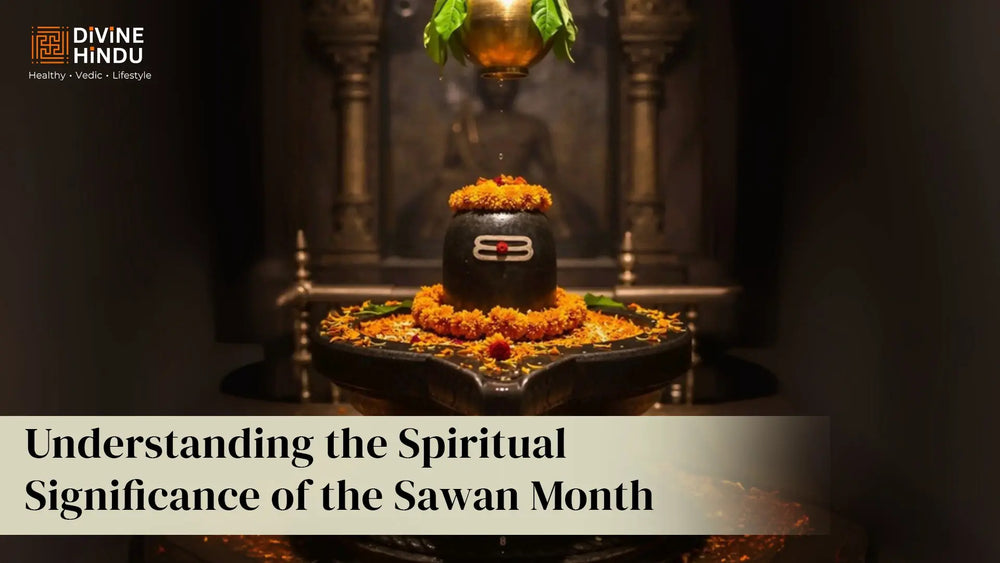
The Sawan month holds deep spiritual significance in Hinduism and is considered one of the holiest periods of the year. Shravan, or the Sawan month, generally falls in July and August and marks the beginning of the monsoon, a time associated with growth, prosperity, and happiness. Devotees perform pooja and rituals to please Lord Shiva and pray with heartfelt devotion.
The Divine Hindu App is here.
Chat free with top astrologers for your first 5 minutes every week, generate your Kundli, book temple Puja & Chadhava, and check today's Panchang — all in one app.
Some observe fasts during this time to please Shiva and devote themselves to bhakti. This is also considered the ideal time to begin any auspicious work or make an important purchase, as it is believed to give maximum benefit during the Sawan month. The month of Sawan includes many festivals of cultural importance to Hindus, such as Raksha Bandhan, Janmashtami and Ganesh Chaturthi.
Let us understand why Sawan is so important for Hindus and the history behind it.
Why Is Sawan Maas Auspicious for Hindus?
Shravan Maas is the fifth month in the Hindu lunar calendar and is associated with Lord Shiva, or Bholenath. All important tasks are considered auspicious during this period, as Sawan is regarded as very 'Shubh' or holy. According to the Shiva Purana, this is the time when Lord Shiva married Goddess Parvati. In the Vishnu Purana, it is said that a deadly poison emerged during this month, which Lord Shiva drank to save the world.

Both these incidents explain the significance of this month and highlight the values of sacrifice, devotion, and spirituality as the foundation of Sawan or Shravan.
During this time, devotees chant Shiv mantras and hold poojas to show their bhakti. The Abhishekam of the Shivling is performed, symbolising devotion towards Bholenath. It is said that wishes asked for during Shravan are fulfilled by the divine. All these rituals lead to the growth of devotees and awaken one's connection to Shiva. This time is seen as a catalyst for soul cleansing and positive karma. It also has mental health benefits.
It is said that devoting yourself to spirituality increases focus and concentration and reduces stress and anxiety. Sawan brings positive changes in physical health too, thanks to a better lifestyle. Rituals like the Somwar Vrat can support better digestion and gut health.
Sawan 2026: Shravan Month Start and End Dates
The period of Shravan or Sawan generally starts in July-August every year and can vary according to regional calendars. In 2026, as per the Purnimanta lunar calendar followed across North India, Sawan will start on 30 July 2026 (Thursday) and end on 28 August 2026 (Friday). In states that follow the Amanta calendar (such as Maharashtra, Gujarat and parts of South India), Shravan runs roughly from 13 August to 11 September 2026. The North Indian Sawan month concludes with the much-awaited festival of Raksha Bandhan, observed on 28 August 2026.
Sawan 2026: Sawan Somwar Vrat Full Calendar
As per the North Indian (Purnimanta) calendar, this year's Sawan Somwar Vrat days are:
3 August 2026 (Monday) - First Sawan Somwar Vrat
10 August 2026 (Monday) - Second Sawan Somwar Vrat
17 August 2026 (Monday) - Third Sawan Somwar Vrat
24 August 2026 (Monday) - Fourth and last Sawan Somwar Vrat
During these days, people all over the country celebrate and devote themselves to rituals and spirituality.
Significance of Each Day of the Week in Sawan Maas
Each day of Sawan is associated with a symbolic value and a different god or deity. One can choose the day of fasting or rituals according to one's beliefs and intentions. Let us understand the importance of each day in the week of Shravan maas.

1. Monday: Dedicated to Lord Shiva. The Sawan Somwar Vrat is observed by devotees to honour Lord Shiva.
2. Tuesday: Dedicated to Goddess Gauri. Women observe the Mangala Gauri Vrat on this day.
3. Wednesday: Dedicated to Lord Krishna or Lord Vishnu.
4. Thursday: Dedicated to Lord Budha (Mercury) and Jupiter (Guru).
5. Friday: Dedicated to Goddess Lakshmi. Married women observe the Shravan Shukrawar Vrat for the well-being of their family.
6. Saturday: Dedicated to Lord Shani. The Sampat Shaniwar Vrat is followed by those who wish to reduce the harmful effects of Shani.
7. Sunday: Dedicated to Suryadev; these are the days for sun worship.
How Is the Sawan Month Associated With Lord Shiva?
The association is linked to the legend of the 'Samudra Manthan', the churning of the ocean in search of amrit. During the manthan, 14 gems emerged; 13 were divided among the Devas and Asuras, but the 14th, Halahal, was a poison that could destroy the universe and every living being. To save the world, Lord Shiva consumed the poison, and from then on he came to be called 'Neelkanth', the one with a blue throat.
All the Devas then offered him the water of the holy Ganges to reduce the poison's impact. This incident happened in the month of Shravan, and so the month came to be associated with Lord Shiva and his selfless love for his devotees. During this month, the followers of Shiva perform puja and rituals to please Lord Shiva and have their prayers fulfilled.
Astrological Significance of Shravan Maas
During the Sawan month, the Sun enters the Leo zodiac sign (Simha Rashi), which is ruled by the Sun. This leads to an amplification of spiritual energies and happiness. Similarly, Jupiter is in a higher position during this period, denoting wisdom and knowledge. These factors make it an ideal time to practise spirituality and awaken your senses.
The moon is also said to be at its strongest during this month. The moon is associated with Lord Shiva and enhances intuition and emotions. By understanding the astrological significance and planetary arrangements, we can better appreciate the importance and cultural value of the Sawan or Shravan maas.
Importance of Wearing Rudraksha in Sawan Maas
Rudraksha plays a very important role in Hinduism. The word Rudraksha comes from 'the eyes of Shiva', meaning these beads are closely associated with Shiva himself. It is said that they originated from the tears Lord Shiva shed out of compassion for humanity. These rudraksha beads are considered living, energised objects that carry the essence and blessings of Shiva.

However, the Rudraksha products available in the market may not always be genuine. Many are low-quality or even fake beads, which can hamper your spiritual journey and religious sentiments. At Divine Hindu, we provide tried, tested and 100% lab-certified products such as the five mukhi rudraksha bracelet and the 108-bead rudraksha japa mala. Wearing these during the Shravan month can be highly beneficial.
Here is why Rudraksha is beneficial during Sawan:
Enhances growth, self-awareness, and spirituality.
Shields the wearer from negative energies and ill vibrations, promoting positivity.
Reduces stress, anxiety, and fear.
Frequently Asked Questions About Sawan Month
When does Sawan start and end in 2026?
In North India (Purnimanta calendar), Sawan 2026 runs from 30 July to 28 August 2026. In the Amanta regions of West and South India, it falls roughly from 13 August to 11 September 2026.
Why is Monday special in Sawan?
Monday (Somwar) is dedicated to Lord Shiva. Devotees observe the Sawan Somwar Vrat and perform Abhishekam of the Shivling to seek his blessings.
Why is Rudraksha worn during Sawan?
Rudraksha is believed to have originated from Lord Shiva's tears. Wearing it in Sawan is thought to amplify devotion, protect from negativity, and bring peace of mind.
Conclusion
In essence, Shravan or Sawan is a way to connect with the Divine. While all days of the year can be linked with spirituality and Shiva, this month particularly enhances and amplifies positive energies. It supports the overall well-being of individuals - physical, emotional, mental and spiritual.
Many people, especially women, fast during this month for the well-being of their loved ones and to deepen their spirituality. One can also fast to pray for the fulfilment of wishes; for instance, unmarried women often fast during Sawan to pray for an ideal life partner.
Let this Sawan be a month of growth, prosperity, and devotion. Chant 'Om Namah Shivaya' and fill your heart with pure bhakti. To make your Shravan sadhana complete, explore our collection of 100% lab-certified Rudraksha at Divine Hindu.
You May Also Like :
The Spiritual Significance of Mahaprasad and Puri's Ancient Temple Kitchen
How to Balance Chakras Daily : A Beginner's Guide to Energy Healing
Where to Buy Original Karungali Malai Online - Benefits & Guide
What Is The Significance of 108 in Hinduism?
Lord Jagannath's Rath Yatra 2025: A Spiritual Journey of Tradition


